
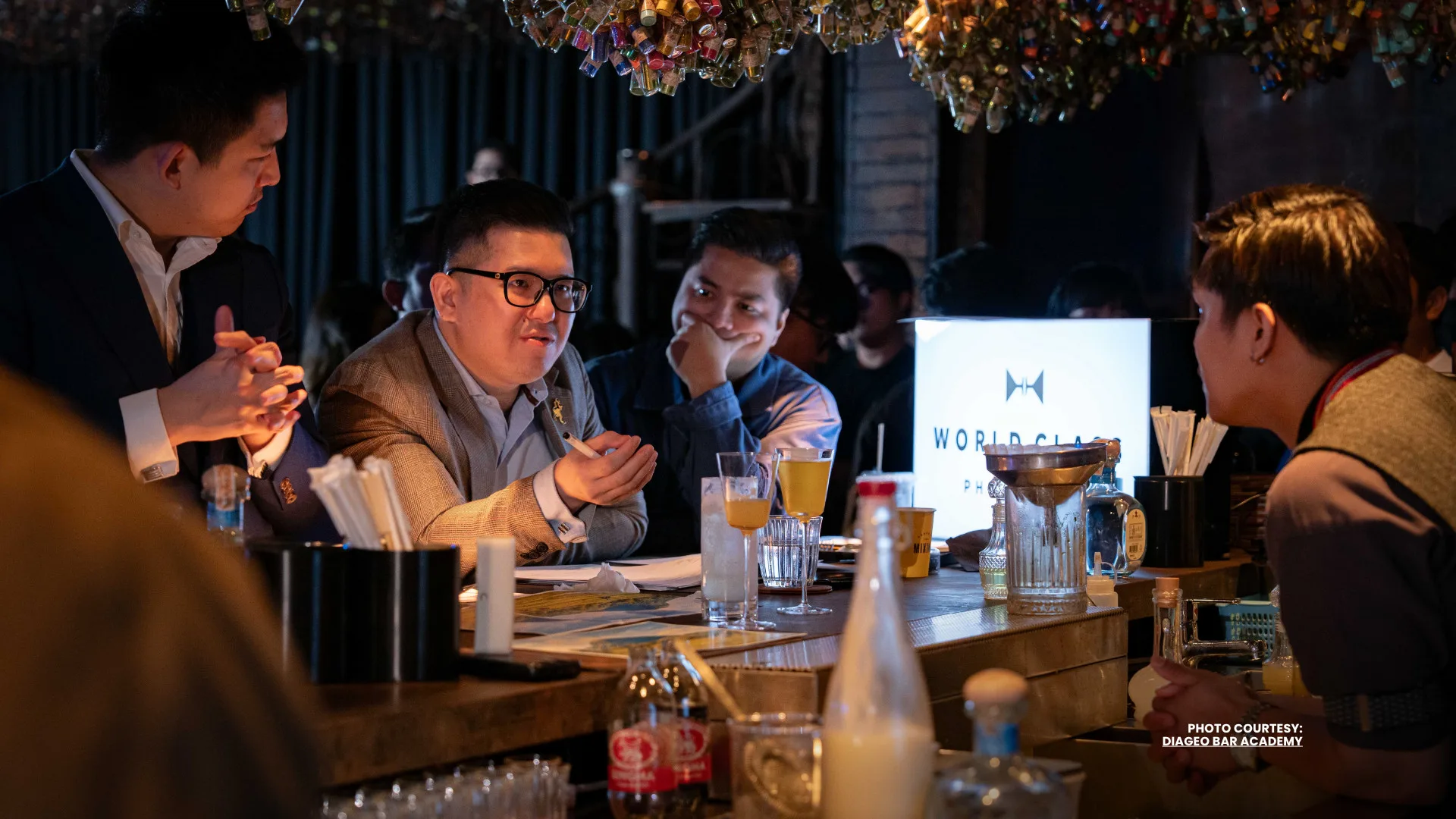
Inside the revolution happening behind Philippine bars, and why the world is finally paying attention.
The ice is hand-chipped. The garnish was foraged three days ago and kept in a small jar in the refrigerator. The glass was chilled, then chilled again.
And the story behind the drink is just as carefully made. It may begin in a grandmother’s kitchen in the province, in a particular afternoon light, or in a Filipino word that carries a meaning no other language can fully capture. That story was likely written and rewritten in a notebook on a kitchen counter at two in the morning.
This is what bartending looks like now. For those who take it seriously, this is what it has always been.
In the Philippines, a generation of bartenders has spent the last decade insisting, quietly at first and then with greater force, that what happens behind a bar is not merely service work in the narrow sense. It is craft. It is culture. At its most precise and personal, it is a form of authorship.
A Glass As A Love Letter
Ralph Allen Santos spent nine years preparing to win.
That is not a metaphor. Santos, now Bar and Restaurant Manager of MOGA in Singapore, first encountered the Diageo World Class competition in 2016 and kept returning to its stage year after year.
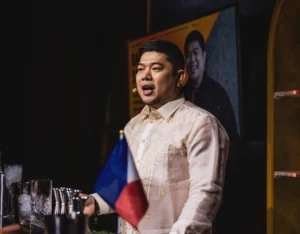
In 2025, he finally stood before the judges with a cocktail called Kapwa, built around a Filipino concept that roughly translates to shared identity, a sense of self that exists in relation to others, and the intimate meaning of “we.”
“World Class taught me to approach cocktail creation with more intention,” Santos said, “focusing not only on flavor but also on storytelling, presentation, and guest experience.”
Kapwa won him the title of World Class Philippines Bartender of the Year. It also gave him something harder to measure: proof that nine years of returning to something he loved, losing, learning, and returning again was not stubbornness. It was the work.
What World Class Means
Diageo World Class is, on paper, a bartending competition. National champions from more than 50 countries compete annually for an industry title widely regarded as one of the highest honors in global bartending.
But the competition, run under the Diageo Bar Academy, is also an education platform, a mentorship network, and, for many Filipino bartenders who have passed through it since the country joined in 2013, a turning point in how they see their profession.
Lester Ligon, a bartender trainer who represented the Philippines at the World Class Global Finals in Berlin in 2018, remembers how the experience changed his understanding of the craft.
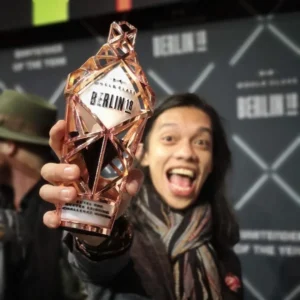
“Bartending was never just about making great cocktails,” Ligon said. “It’s about understanding people, creating experiences, and finding ways to stay relevant in a constantly changing industry. World Class pushes bartenders to look beyond recipes and techniques, toward creativity, storytelling, a deeper understanding of spirits and flavor.”
Rian Asiddao, a World Class advocate since 2015 and a former competitor, has watched that shift grow across the local bartending community.
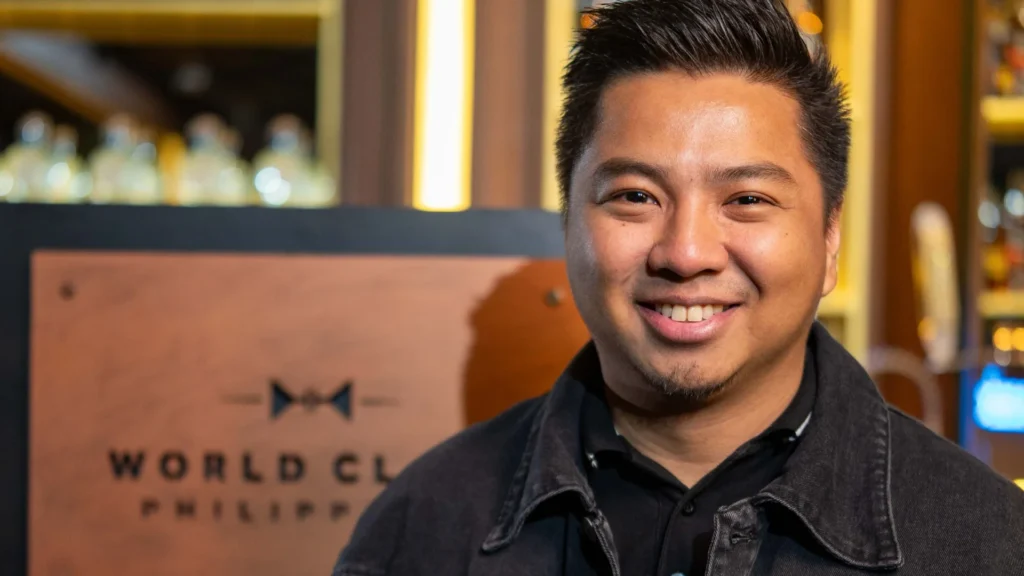
“Since the Philippines joined in 2013, World Class has helped highlight the talent, skills, hospitality, and creativity of Filipino bartenders,” Asiddao said. “Beyond the competition, it has given the industry opportunities to connect, learn from one another, and build networks both locally and globally.”
The Woman Who Changed The Room
In 2023, Alyssa Lorenzo entered a competition that had, for much of its local history, been won by men. She left as the first female World Class Philippines Bartender of the Year.
She later flew to São Paulo, Brazil, for the global finals, where she won the Tanqueray World Class Challenge.
“Joining wasn’t just about winning. It was about learning,” Lorenzo said. “Each stage of the competition challenged me to create drinks that tell a story, represent who I am, and showcase Filipino culture. Holding the trophy felt surreal. It made me realize that all the hard work was worth it.”
What Lorenzo described, that surreal moment when the work finally catches up with the dream, reflects a particular kind of Filipino ambition. It is not built on spectacle. It is built on long preparation, early mornings, notebooks, repetition, and ice chipped by hand.
It is the kind of ambition that does not announce itself until the moment it has no choice.
The Road To Scotland Begins At Solaire North
On June 9, 2026, fifteen bartenders will gather at Skybar in Solaire North in Pasay City to compete for the title of World Class Philippines Bartender of the Year 2026.
The winner will represent the country at the World Class Global Finals in Scotland this September, where national champions from more than 50 countries will compete on one of the industry’s biggest stages.
For the finalists, the competition is the destination. For the industry watching, it is also a measure of how far Filipino bartending has come, and how much farther it intends to go.
Santos, who knows what the competition demands and what it can give back, has one piece of advice for the bartenders taking the stage.
“Stay authentic. The strongest concepts are often rooted in your own story, culture, and experiences,” he said.
Behind every great drink is a story that was already there. The bartender’s job is to find it, shape it with care, and serve it with intention.
The Diageo World Class Philippines Bartending Competition finals will take place on June 9, 2026, at Skybar, Solaire North, Pasay City. The national winner will represent the Philippines at the Diageo World Class Global Finals in Scotland this September.