
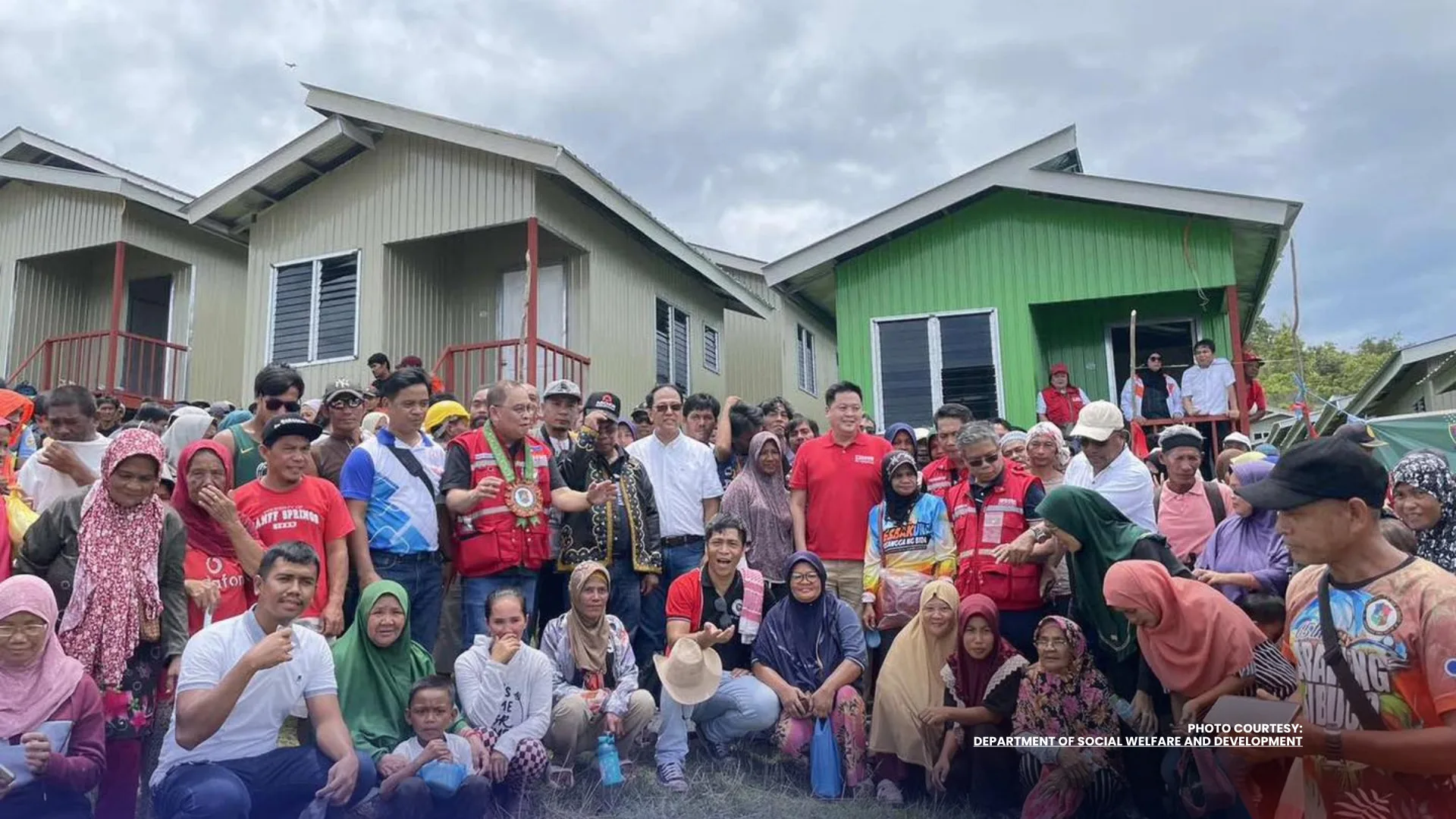
The Department of Social Welfare and Development (DSWD) is strengthening its case management services for former Moro Islamic Liberation Front (MILF) and Moro National Liberation Front (MNLF) combatants in the Bangsamoro region and other conflict-affected areas.
DSWD Peace and Development Group (PDG) Undersecretary Alan Tanjusay said the department is working closely with local government units to ensure that former combatants and their families are properly assessed and connected to government assistance.
“Sa ngayon, ang Peace and Development cluster doon po sa BARMM ay nakikipag-ugnayan po sa mga local government units para magsagawa sila ng case management study sa mga former rebels natin,” Tanjusay said in an interview with Radyo Pilipinas Davao on Wednesday, June 3.
He said coordination with LGUs is necessary to ensure the smooth delivery of services to former MILF and MNLF combatants who are being assisted by the department.
Tanjusay said most local governments in BARMM have been cooperative, although some still need further briefing on the purpose of the case management program.
“Karamihan po sa ating local government units sa BARMM ay nakikipag-cooperate po sa amin. Siguro may mga isa o dalawang mga LGU na kinakailangan pang bigyan ng unawa kung bakit kami nagca-case management sa mga former combatants,” he said.
He said the DSWD continues to hold dialogues with LGUs to explain the program and identify former combatants in their communities who need assistance, especially in poor municipalities where access to basic services remains limited.
According to Tanjusay, case management helps former combatants transition to peaceful civilian life by identifying their needs, assessing their skills and linking them to livelihood, training and other support services.
“Mayroong malaking pagbabago dahil tuluyan na nating silang bibigyan ng trabaho. Naa-assess natin sila sa ating mga skills training,” he said.
He added that the program seeks to empower former combatants so they can adjust to civilian life and contribute to community development.
“Wala kaming ibang motibo dito kundi tulungan sila. Plain and simple. Yun lamang po ang aming layunin dito: makatulong upang maiahon sila sa kahirapan,” Tanjusay said.
Aside from BARMM, the DSWD said case management activities are also being implemented in other conflict-affected areas, with around 32,000 former rebels currently under the department’s care and monitoring.
Tanjusay thanked MILF and MNLF beneficiaries who continue to cooperate with the government’s peacebuilding and reintegration efforts.
The DSWD said the initiative forms part of the Marcos administration’s broader push to help former rebels and conflict-affected communities build peaceful, productive and self-sustaining lives through social protection, livelihood and reintegration programs.