
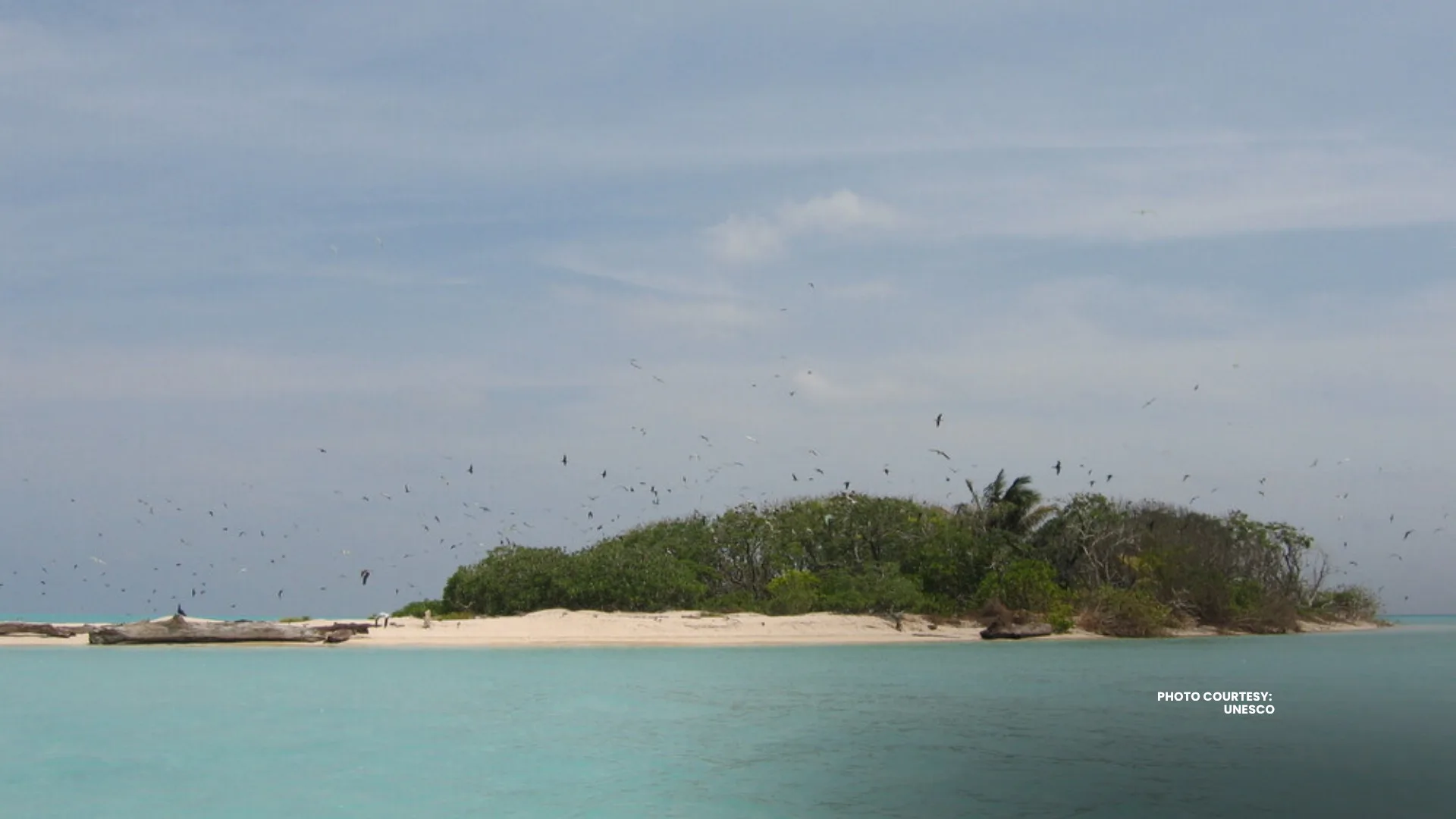
Filipino scientists continue to advance drug discovery research after isolating a marine bacterium from sediments in the Tubbataha Reefs Natural Park in the Sulu Sea that produces compounds with antibacterial and anti-cancer potential, according to findings published in a peer-reviewed scientific journal.
The organism, identified as Streptomyces tubbatahanensis, was recovered from one of the country’s most protected marine ecosystems and has since been classified as a novel species based on genome sequencing and chemical profiling.
A 2023 study first reported that the strain produced chlorinated carbazole alkaloids, compounds linked to antibacterial activity against drug-resistant pathogens and cytotoxic effects on cancer cell lines. The same findings also noted no significant toxicity in selected liver cell models, while showing variable toxicity in kidney and cardiac cell lines—an early indicator that further refinement is needed before clinical application.
Stronger validation in recent research context
Recent scientific reviews and updated Streptomyces drug-discovery literature (2025–2026) have reinforced the broader significance of the genus, confirming that marine and soil-derived Streptomyces remain one of the most productive sources of novel antibiotics and anti-cancer agents globally due to their large biosynthetic gene clusters and metabolite diversity.
These developments place the Tubbataha isolate within a wider global trend of genome mining-driven drug discovery, where researchers use bioinformatics to identify previously “silent” genetic pathways that can produce medically useful compounds.
Science behind the discovery
The Philippine research team used a combination of genome mining, metabolomics, nuclear magnetic resonance (NMR) profiling, and antimicrobial and anticancer screening to map the organism’s biosynthetic capacity and identify potential drug leads.
This approach allowed scientists to uncover “hidden” chemical compounds that are not detectable through traditional culture-based screening alone.
Public health relevance: antimicrobial resistance
Researchers emphasize that discoveries like this are increasingly important amid the global rise of antimicrobial resistance (AMR), where existing antibiotics are losing effectiveness against evolving pathogens.
The Department of Science and Technology (DOST) has supported the research through its Tuklas Lunas program, which focuses on identifying locally sourced drug leads from Philippine biodiversity.
Institutional support and capacity building
The project is led by scientists affiliated with the University of San Agustin in Iloilo, working alongside Balik Scientists under DOST funding support. The initiative also forms part of a broader push to strengthen Philippine capacity in natural products drug discovery, including the development of local biobanking systems and advanced analytical laboratories.
The University of San Agustin reportedly maintains a microbial biobank containing thousands of bacterial isolates collected across the Philippines, intended for long-term screening of pharmaceutical applications.
From reef sediment to potential drug pipeline
Tubbataha Reefs Natural Park, a UNESCO World Heritage Site, is home to one of the most biodiverse marine ecosystems in the country. Scientists say its largely unexplored microbial communities may hold significant pharmaceutical value.
However, researchers stress that the compounds remain at an early discovery stage. Further steps—including preclinical validation, toxicity profiling, and synthesis optimization—are required before any potential drug development pathway can be established.
Outlook
While no clinical applications are yet available, the discovery reinforces a growing scientific consensus: marine actinomycetes remain one of the most promising frontiers in antibiotic and cancer drug discovery, particularly in biodiversity-rich regions such as the Philippines.