
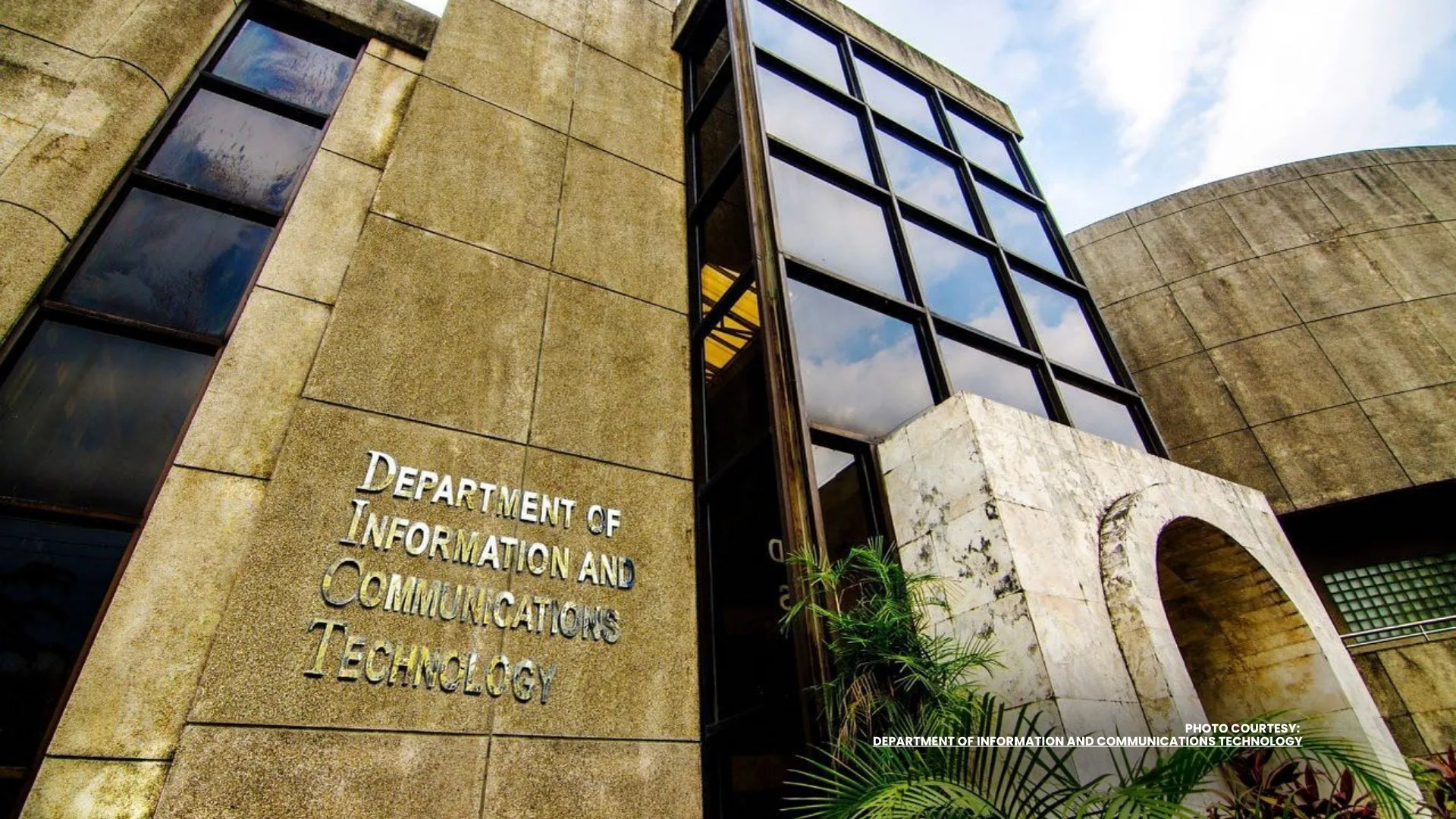
The Department of Information and Communications Technology (DICT) has activated Phase 1 of the Mindanao Integrated Government Network, connecting around 500 government offices and facilities across major cities in the region as part of the National Fiber Backbone initiative.
The rollout covers key urban centers including Cagayan de Oro, Butuan, Davao City, Koronadal, and Pagadian, establishing a unified digital infrastructure intended to support faster and more secure government communications.
Among the connected agencies are the Department of Education (DepEd), Technical Education and Skills Development Authority (TESDA), Department of Labor and Employment (DOLE), Department of Public Works and Highways (DPWH), Department of Environment and Natural Resources (DENR), and the Office of Civil Defense (OCD).
The DICT said the network is projected to benefit about 5.3 million Filipinos by improving access to government services and enabling more efficient coordination across agencies.
The system is designed to support real-time data sharing among national and local government offices, streamlining service delivery in sectors such as education, labor, infrastructure, and environmental management.
Officials also underscored the network’s role in disaster response. The fiber backbone is expected to enhance coordination during emergencies such as earthquakes, typhoons, and floods by allowing agencies to transmit critical information more quickly and efficiently.
DICT Secretary Henry R. Aguda said the project goes beyond connectivity upgrades, emphasizing its role in public service delivery.
“Connectivity is not just convenience; it is a lifeline. It is coordination, safety, and faster response when every second matters,” Aguda said. “This is not just better technology, but better service—faster response to people’s needs.”
The Mindanao deployment forms part of the broader National Fiber Backbone program, which aims to interconnect government institutions nationwide through a secure and integrated digital network.
The DICT said the initiative supports the government’s digital transformation agenda by improving connectivity, reducing service delays, and strengthening the country’s digital resilience.