
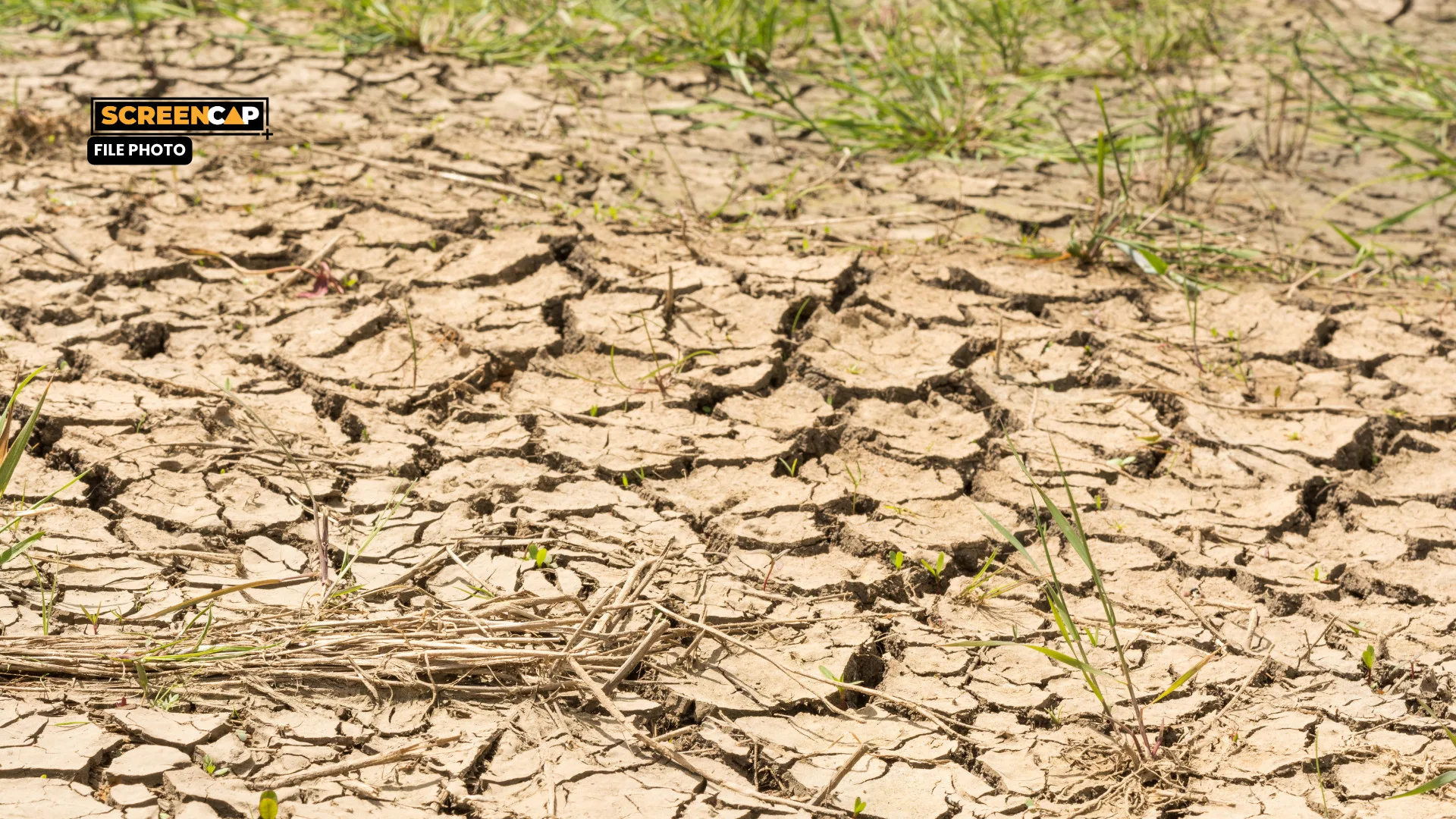
Senator Francis “Kiko” Pangilinan is seeking a Senate inquiry into the government’s preparedness for the projected 2026 to 2027 El Niño, warning that inadequate planning could threaten farmers, fisherfolk, food security, water resources and the livelihoods of millions of Filipinos.
Pangilinan filed Proposed Senate Resolution No. 515 on July 14, directing the Senate Committee on Agriculture, Food and Agrarian Reform to assess whether concerned government agencies are equipped to respond to the possible effects of the climate phenomenon.
The inquiry would examine the preparedness of the Department of Agriculture, National Irrigation Administration, Philippine Crop Insurance Corporation, Bureau of Fisheries and Aquatic Resources and other agencies to provide “timely and adequate assistance” to affected communities.
“RESOLVED BY THE SENATE, as it is hereby resolved, to direct the Senate Committee on Agriculture, Food and Agrarian Reform to conduct an inquiry, in aid of legislation, into the readiness of the country’s agriculture sector for the 2026 to 2027 El Niño, with the end in view of protecting farmers and fisherfolk, securing the country’s food supply, and ensuring timely and adequate government action,” the resolution read.
Pangilinan, who chairs the Senate agriculture panel, cited warnings from international climate experts that El Niño could bring “record levels of intensity” of droughts, floods, extreme heat and other severe weather and climate conditions worldwide.
In the Philippines, the Philippine Atmospheric, Geophysical and Astronomical Services Administration forecasts that a “strong” El Niño may persist from the August-September-October 2026 season through the first half of 2027.
“Napakalaking dagok na naman ito sa ating mga magsasaka at mangingisda, pati na rin sa ating mga mamimili. Sa bawat hirap na dinadanas sa sakahan at sa ating fishing grounds, dagdag pasanin na naman sa ating mga kababayan dahil magkukulang ang supply ng pagkain at mamahal ang bilihin sa merkado,” Pangilinan said.
“Maghihintay pa ba tayo kung kailan andiyan na ang problema? Kailangan nating umaksyon ngayon na. Kailangan ng sapat na preparasyon, tulong, at suporta ng ating mga magsasaka at mangingisda para hindi nila pasanin mag-isa ang hirap na dala ng El Niño,” he added.
“Dapat maging handa ang gobyerno na rumesponde at gumawa ng mga hakbang para sa mga pangmatagalang solusyon laban sa climate crisis.”
PAGASA’s latest projections showed that 49 provinces could experience dry spells, while 29 provinces may face dry conditions by the end of the year. Prolonged dry spells and drought are also considered highly likely during the first half of 2027.
The DA has warned that a strong El Niño could cut the country’s rice production by as much as 700,000 metric tons, posing risks to the national rice supply, farmers’ incomes and food-price stability.
The resolution warned that reduced rainfall and declining water availability could disrupt irrigation services, delay planting, lower crop, livestock, fisheries and aquaculture production, increase production costs, reduce farmers’ and fisherfolk’s incomes and drive food prices higher.
“There is, therefore, a need to determine whether the government’s plans, budget, and interventions are sufficient, properly targeted, and ready for implementation before El Niño becomes more severe, particularly in relation to irrigation and water management, seeds and planting schedules, crop insurance, credit assistance, livestock and fisheries support, and food supply contingency measures,” the resolution stated.