
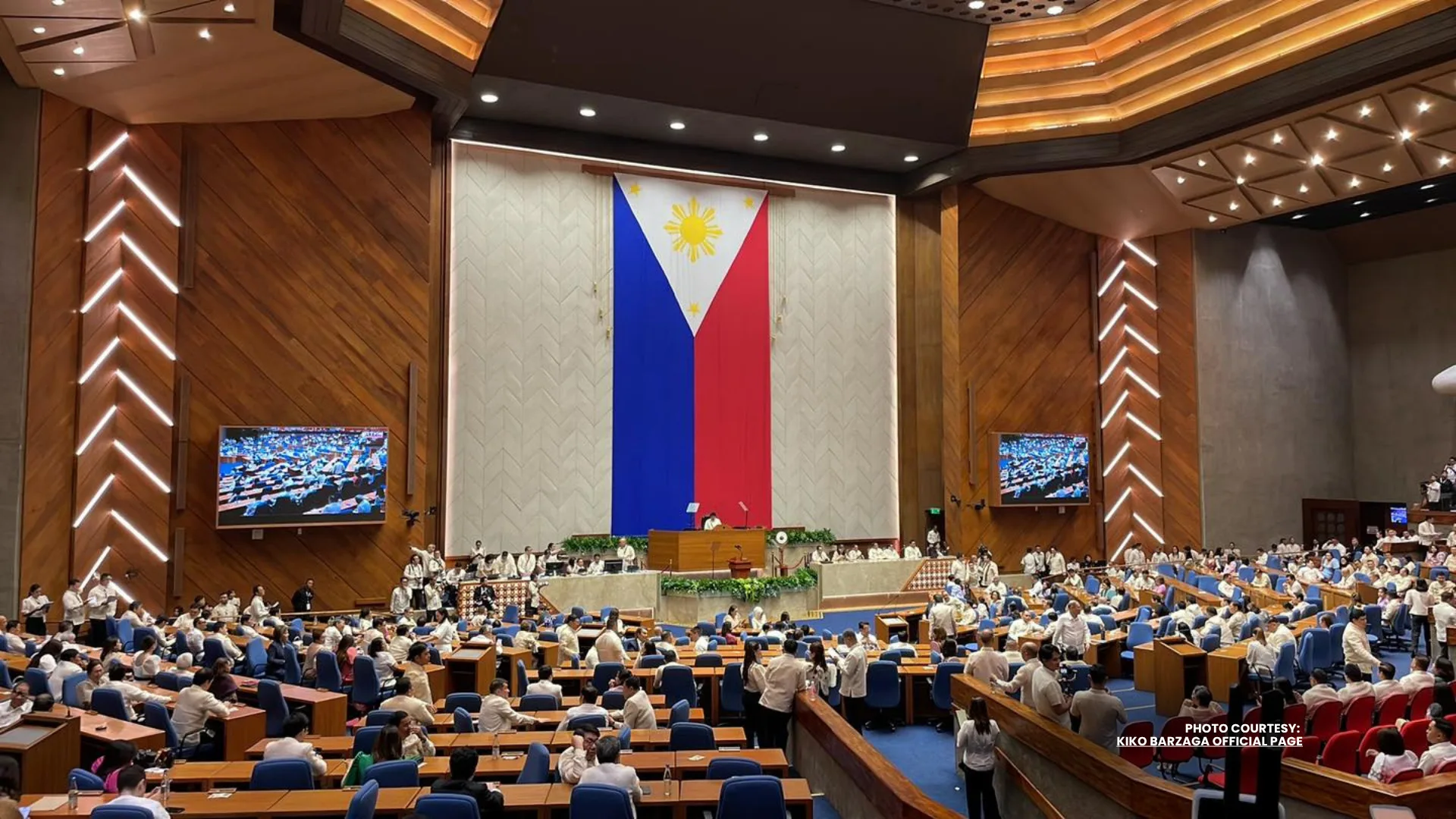
The Senate has approved on third and final reading a measure that seeks to institutionalize a nationwide private education voucher program aimed at easing classroom congestion, expanding access to quality education, and strengthening safeguards against corruption in public education funding.
Senate Bill No. 1981, or the proposed Private Basic Education Voucher Program Act, was approved on Monday with a 22–0 vote, with no abstentions or negative votes recorded.
Senator Bam Aquino, who sponsored and co-authored the bill as chair of the Senate Committee on Basic Education, thanked his colleagues for their overwhelming support, saying the measure addresses long-standing challenges in the education sector.
“Nagpapasalamat tayo sa ating mga kasama sa napakalaking suporta sa panukalang ito na makatutulong tugunan ang pangunahing problema sa ating mga paaralan,” Aquino said.
He added that once enacted, the program is expected to help decongest overcrowded public schools, widen access to private education for learners in need, and introduce stronger mechanisms to curb irregularities in the allocation of education funds.
Under the proposed law, eligible students, particularly those in overcrowded public schools, may receive vouchers that can be used to enroll in private schools with available capacity.
The program will cover learners from Kindergarten to Grade 12 and consolidate existing voucher initiatives into a single, unified system. Priority beneficiaries include students from Pantawid Pamilyang Pilipino Program (4Ps) households, those in Geographically Isolated and Disadvantaged Areas (GIDA), Indigenous Peoples (IP) communities, foster care systems, learners with disabilities, and other vulnerable sectors.
The measure also provides support mechanisms for participating private schools and teachers, including subsidies to help accommodate additional enrollees.
To strengthen accountability, the bill introduces stricter safeguards against fraud and abuse, including administrative and criminal penalties such as fines and imprisonment for violations.
With Senate approval secured, the measure now moves closer to becoming law pending action from the House of Representatives and eventual signing by the President.