
Securities and Exchange Commission (SEC) filings show that Vice President Sara Duterte remained listed as a board director of a private company throughout her tenure from 2022 to 2025, despite explicit constitutional bans against executive officials participating in private business.
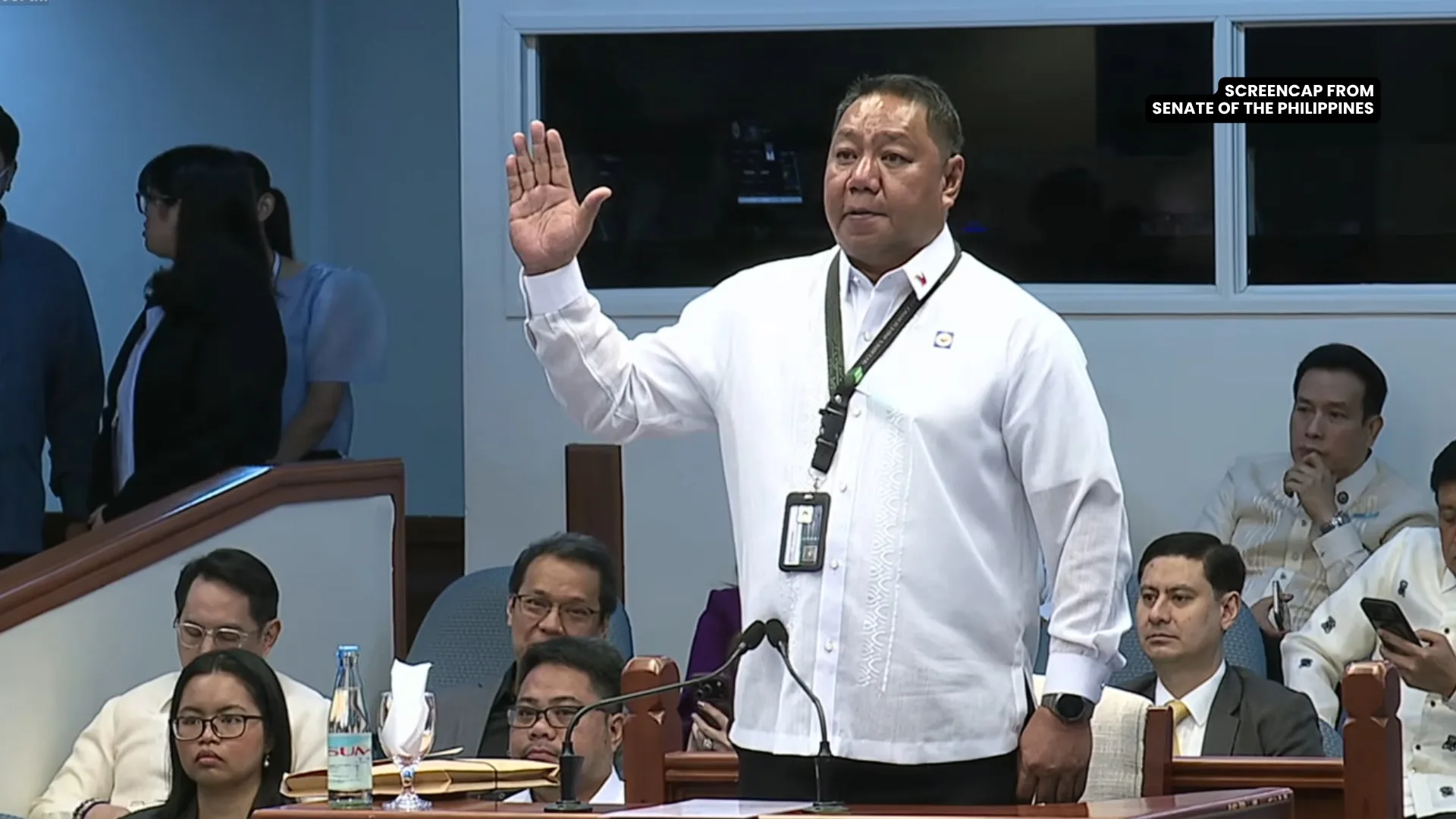
Testifying on Day 27 of Duterte’s impeachment proceedings, SEC Company Registration and Monitoring Department Director Atty. Gerardo del Rosario confirmed corporate filings naming “Sara Z. Duterte” as both a shareholder and sitting board member of Metro City Chow Foods Corporation.
Private prosecutor Atty. Erwin Matib emphasized that directorships require active election by corporate shareholders rather than static assignment.
“Sino po bang namimili ng magiging members ng board of directors?” Matib asked during questioning.
“Ang director po ay ini-elect po ng mga shareholders,” Del Rosario replied.
Matib underscored the recurring nature of her seat on the board year after year in official corporate submissions.
“So may eleksyon ho? Mukhang taon-taon po may eleksyon at laging nananalo si VP Sara sa pagiging director sa kompanyang ito,” Matib observed.
Official SEC documents list Duterte as holding 500 shares while serving as a stockholder and board member of Metro City Chow Foods Corp. continuously from 2022 through 2025. Corporate filings also trace her role back to 2016 as an original incorporator, with active board membership recorded from 2018 onwards.
“Lumalabas po dito na member po ng board of directors si Vice President Sara mula 2022 hanggang 2025. Kelan po na-elect na vice president si respondent Sara Duterte?” Matib questioned, noting that her term as Vice President commenced on June 30, 2022.
The SEC validated that Duterte’s name was consistently submitted in the firm’s General Information Sheets for each year spanning 2022 through 2025.
When questioned about legal limitations governing high-ranking officials, Del Rosario pointed to Article VII, Section 13 of the 1987 Constitution. The provision imposes strict prohibitions on the President, Vice President, Cabinet members, and their deputies, barring them from directly or indirectly participating in any business enterprise and mandating the strict avoidance of conflicts of interest.
The Supreme Court has historically interpreted these constitutional restraints as “sweeping, all-embracing prohibitions,” noting that stricter boundaries were intentionally placed on top executive officers due to the significant power of their positions.
Additionally, Republic Act No. 6713, also known as the Code of Conduct and Ethical Standards for Public Officials and Employees, dictates that public officers must eliminate potential conflicts of interest. Under the law, an official must formally resign from any private business post within 30 days of assuming office and divest any financial shareholdings within 60 days.