
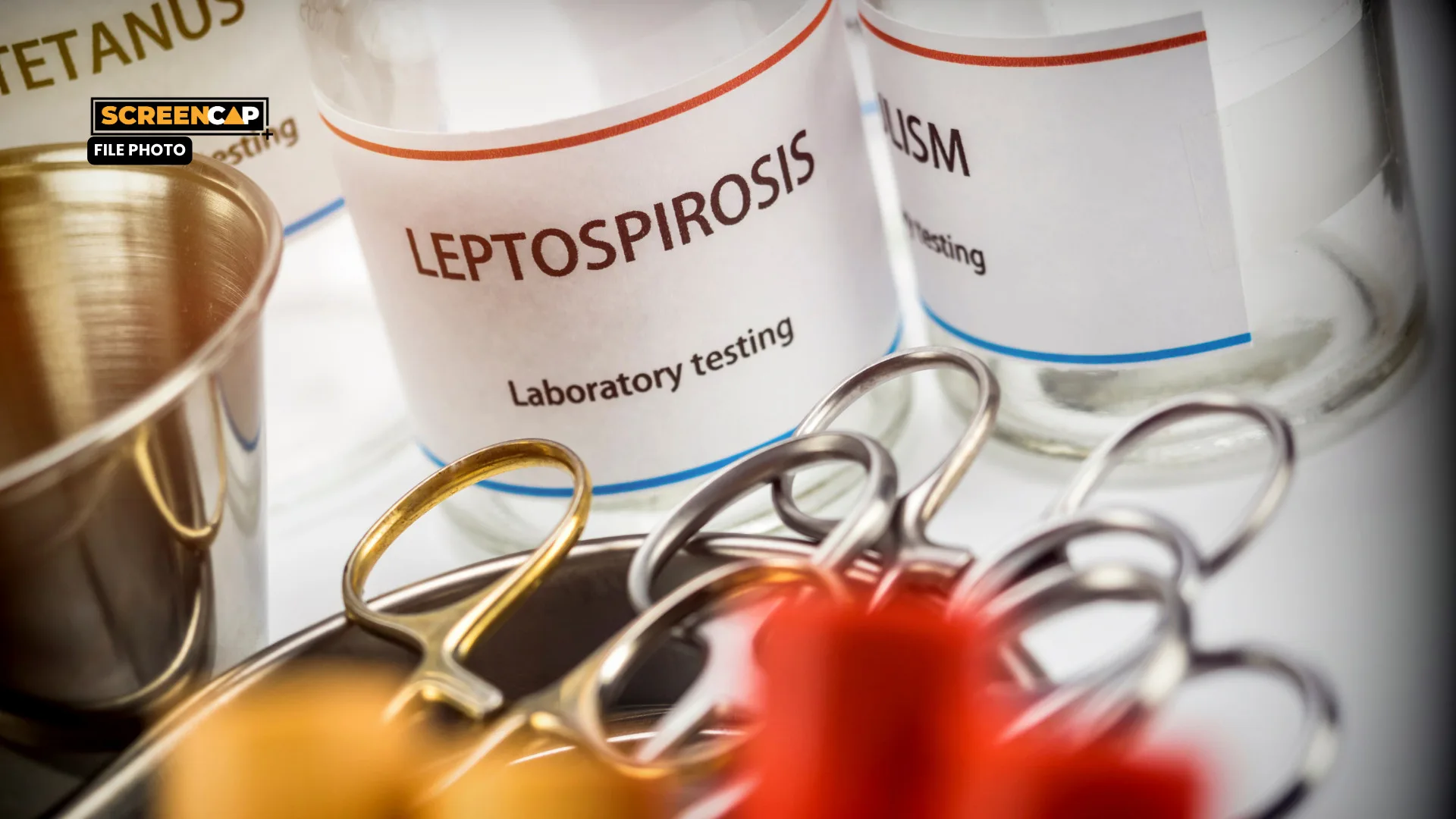
The emergency room of San Lazaro Hospital in Manila is operating at 300% to 500% of its normal capacity as leptospirosis cases continue to mount following persistent, flood-inducing rains brought by the Southwest Monsoon (Habagat).
Dr. David Suplico, medical center chief of San Lazaro Hospital, voiced serious concern over the continuous influx of patients seeking treatment.
“Currently, many leptospirosis patients are waiting in our express lane. Our emergency room is now operating at around 300% to 500% of its capacity,” Suplico reported on Monday.
The facility is currently treating 87 leptospirosis patients, including 26 in severe condition. Several critical patients are experiencing severe respiratory distress and require urgent renal dialysis. The hospital also confirmed three patient fatalities recorded between August 19 to 22.
Medical experts emphasize that the surge aligns with the typical incubation period for the bacterial disease, which ranges from two to 30 days following floodwater exposure.
“We usually see the peak of leptospirosis within two weeks after exposure. That would be two weeks from August 17,” Suplico explained, warning that admissions are expected to rise further in the coming days as more exposed individuals develop symptoms.
San Lazaro is not the only major facility strained by the bacterial outbreak. On Sunday, the National Kidney and Transplant Institute (NKTI) in Quezon City temporarily restricted admissions for walk-in, non-emergency patients after hitting full bed capacity. NKTI administrators advised non-critical patients to coordinate with their attending physicians to seek alternative healthcare facilities with available beds.
Leptospirosis is a bacterial infection transmitted through the urine of infected animals, most commonly rats and typically contracts when individuals with open wounds or skin breaks wade through contaminated floodwaters.
The Department of Health (DOH) reminded the public to refrain from self-medicating and consult medical professionals promptly if they suspect exposure. To assist overcrowded medical centers, the DOH advised facilities to coordinate with the Health Emergency Management Bureau’s operations center to navigate patient transfers using the Leptospirosis Bed Tracker System as authorities continue to monitor hospital capacities nationwide.