
Vice President Sara Z. Duterte’s lawyers may use disputes over the number of days allotted for their defense to challenge the impeachment proceedings before the Supreme Court (SC).
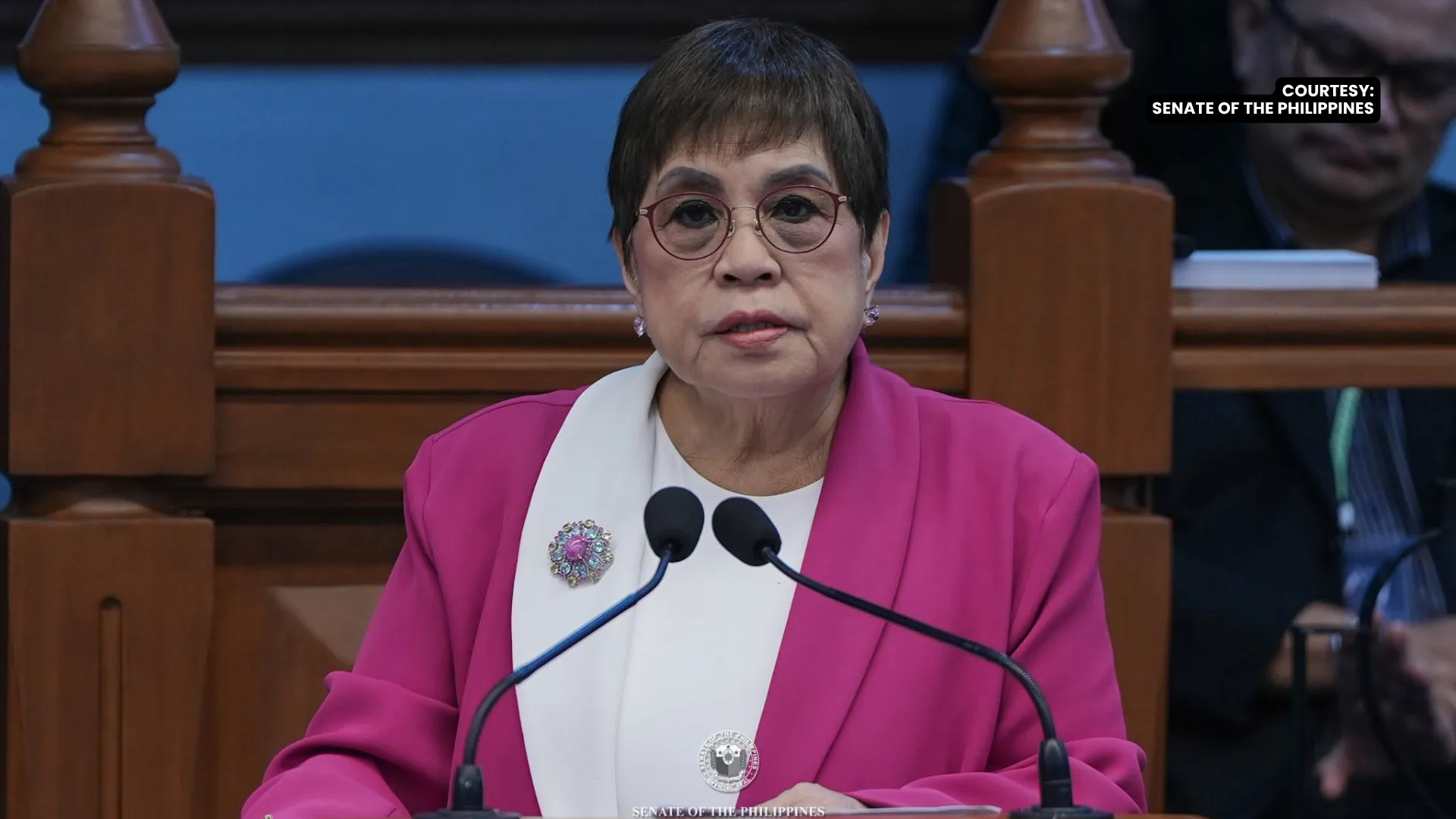
This is according to counsel for the prosecution Lorna Kapunan, who believes procedural objections could become another obstacle to reaching an early verdict.
Kapunan expressed concern that the defense could prolong its presentation and subsequently invoke alleged violations of due process if the impeachment court limits the time originally allotted for answering four impeachment articles.
“What they are doing is they are harvesting, planting the seeds of distrust, and harvesting it to be able to bring it all the way up on grave abuse of discretion to the Supreme Court,” Kapunan warned.
The veteran lawyer raised the concern after the House prosecution decided to withdraw three articles against Duterte, leaving only the alleged unexplained wealth charge for the defense to answer.
Before the prosecution narrowed the case, Duterte’s lawyers had requested 30 trial days for their presentation, a period that Kapunan believes should now be reconsidered because the defense no longer needs to address all four articles.
The Senate impeachment court approved the withdrawal on Oct. 13, eliminating the charges involving confidential funds, bribery, and grave threats from the remaining trial proceedings while retaining Article II on unexplained wealth.
“Because she would take, uh— remember she asked in their pretrial brief, they asked for 30 days, 30 days for four articles and the pretrial order gave them 30 days for four articles. Ngayon na isang article lang, I don’t think they can claim 30 days,” Kapunan explained.
The prosecution fears that Duterte’s lawyers could insist on retaining the original period even though the scope of their presentation has been substantially reduced, potentially extending the proceedings beyond the timetable prosecutors hope to maintain.
Kapunan described a possible scenario in which the defense uses nearly the entire allotted period before announcing that it is ready to present additional evidence, creating another dispute if the presiding officer refuses a further extension.
“Uubusin nila. And on the last— on the last week of the 30th day, they’ll say, “Now we’re ready to present,”” Kapunan maintained.
The private prosecutor believes that denying such a request could give Duterte’s lawyers grounds to allege that the proceedings were unfair, particularly because the defense has repeatedly questioned the Senate impeachment court’s procedural decisions.
“Now, if that is denied by the presiding officer, upon— certainly upon our objections sa prosecution, that’s another— sasabihin na naman nila, “railroading,” sasabihin nila “mistrial.” Then that’s another reason to go up to the Supreme Court,” Kapunan warned.
The defense has already challenged aspects of the impeachment proceedings, while separate petitions filed by Sens. Robin Padilla and Christopher “Bong” Go have questioned the Senate impeachment court’s interpretation of the two-thirds voting requirement for conviction.
Kapunan maintained that the remaining trial should concentrate on determining whether the evidence supports Duterte’s removal from office, although the senator-judges must independently decide how much time the defense reasonably needs to present its case and exercise its constitutional rights.