
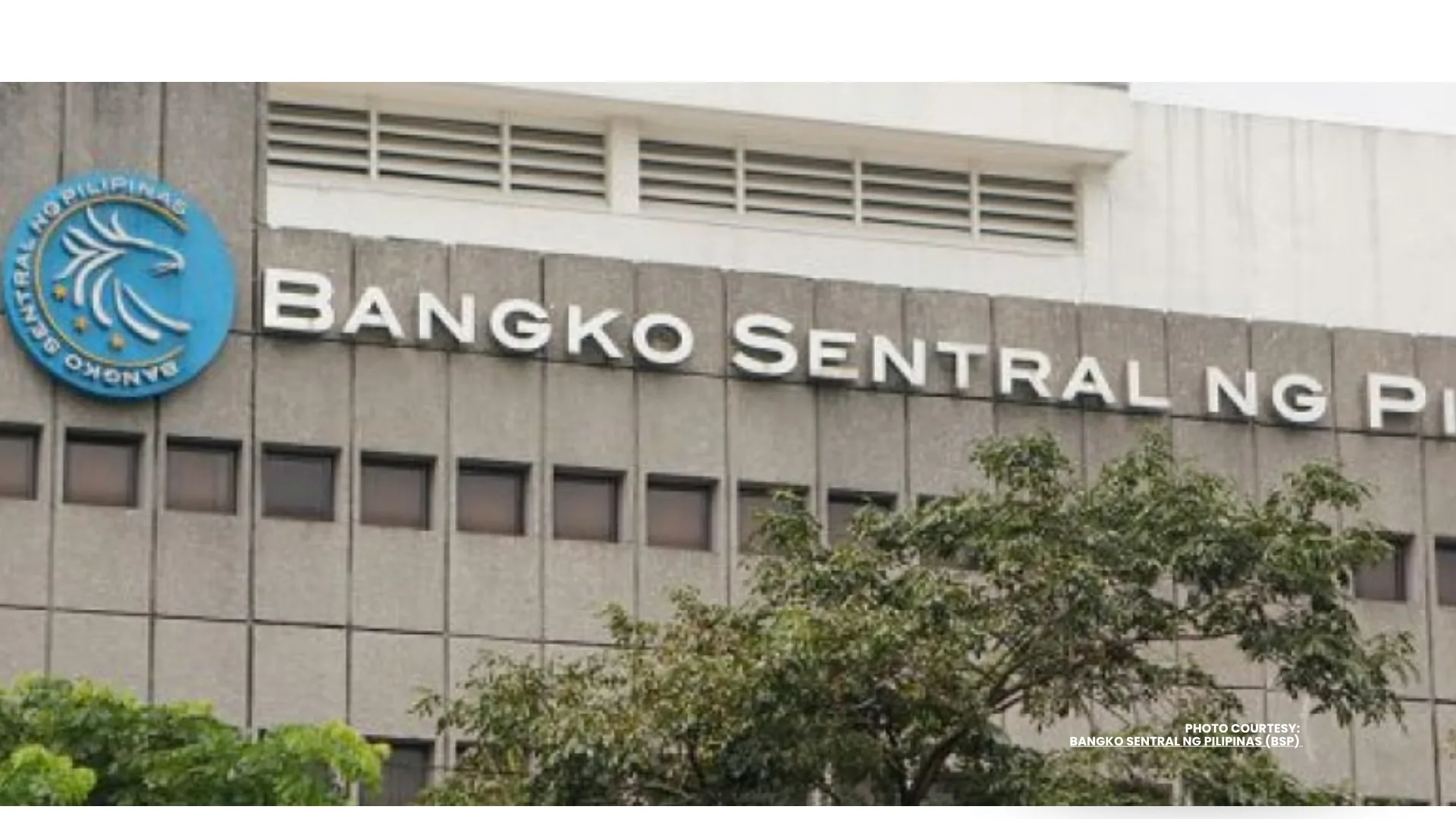
The country’s gross international reserves rose to $104.8 billion as of end-June 2026, giving the Philippines a strong external liquidity buffer despite global economic uncertainties, the Bangko Sentral ng Pilipinas said.
The BSP said the latest reserve level remains adequate to support the country’s external payment requirements, including imports and foreign debt obligations, while helping shield the economy from potential external shocks.
According to the central bank, the increase in reserve assets was mainly driven by higher net foreign currency deposits of the national government with the BSP and the central bank’s net income from its investments abroad.
These gains were partly offset by downward valuation adjustments, which were largely due to changes in the prices of the BSP’s gold holdings and foreign currency-denominated reserve assets.
The BSP said national government withdrawals from its foreign currency deposits with the central bank to service external debt also tempered the increase in reserves.
Based on the latest level, the country’s gross international reserves are enough to cover 6.8 months’ worth of imports of goods and payments of services and primary income.
The BSP said this remains well above the traditional benchmark for reserve adequacy.
The reserve stock is also equivalent to about 3.7 times the country’s short-term external debt based on residual maturity, indicating that the Philippines continues to maintain a comfortable level of foreign exchange reserves to meet its near-term external obligations.