
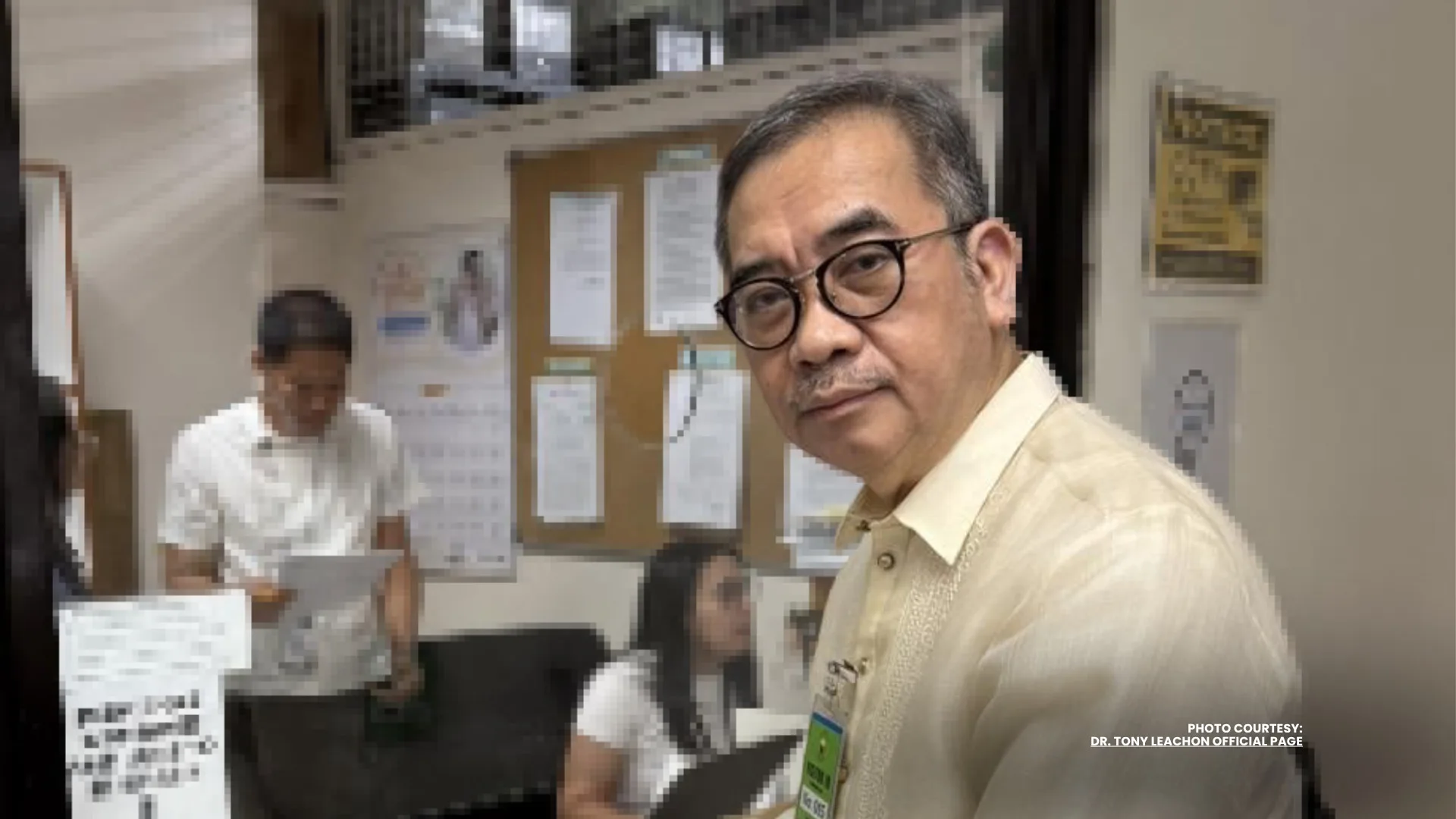
The Philippine College of Physicians (PCP) has ordered a six-month suspension against public health advocate Dr. Anthony “Tony” Leachon after ruling that he violated professional ethics through public statements against fellow physicians and health professionals.
The disciplinary action was handed down by the PCP’s 13-member Board of Regents in a 26-page decision, which found that Leachon breached his obligations under the organization’s Code of Ethics.
The case centered on remarks attributed to Leachon in which he allegedly accused or insinuated corruption and unethical conduct among colleagues in the medical field. According to the ruling cited in reports, the board found that the statements were made in a public and official forum without sufficient basis or personal knowledge.
The PCP said such conduct amounted to a serious breach of the professional standards expected of its members, particularly rules requiring physicians to observe fairness, restraint, and respect in dealing with colleagues.
The suspension stemmed from an ethics complaint that also raised other allegations, including claims of misrepresentation as an expert witness and the supposed spread of false information related to his position on the Dengvaxia controversy.
The PCP Board of Regents, however, did not find Leachon liable for those specific claims. The board limited its finding to defamation and violation of ethical standards, which became the basis for the six-month suspension.
The PCP is the national organization of internists in the Philippines and is affiliated with the Philippine Medical Association. It plays a role in professional development, continuing medical education, accreditation, and the promotion of standards in internal medicine.
Professional ethics in the medical field require doctors to maintain mutual respect, act with integrity, and avoid conduct that may unfairly damage the reputation of fellow practitioners.
Leachon has disagreed with the PCP decision and said his legal team is studying possible remedies.
In a statement posted on Facebook and cited in reports, Leachon said he does not accept the disciplinary action. He also raised concern over the timing of the ruling, noting that it came as Dengvaxia-related cases were progressing.
He maintained that the suspension would not alter the facts to be presented in court or weaken the right of affected families to pursue justice.
The ruling puts renewed focus on the tension between public health advocacy and professional accountability, especially when doctors speak publicly on sensitive issues involving medical practice, drug safety, and institutional credibility.
Leachon has been one of the more visible medical voices in the country, frequently speaking on public health controversies, including the Dengvaxia issue and alleged unethical practices in the healthcare and pharmaceutical sectors.
In 2024, Bell-Kenz Pharma Inc. filed a cyber libel complaint against him after he raised concerns over alleged prescription-related incentives involving doctors, an issue that later reached a Senate inquiry.
The PCP decision does not prevent Leachon from seeking legal or administrative remedies. It also does not settle the broader controversies he has raised in public.
But the suspension underscores the position of the professional medical body that physicians, even when acting as advocates or critics, remain bound by ethical duties requiring evidence, restraint, and respect for fellow health professionals.
The case is expected to stir further discussion in the medical community on free expression, whistleblowing, accountability, and the limits of public criticism among doctors.