
The country’s headline inflation eased slightly to 6.1 percent in August from 6.2 percent in July as lower food prices and slower increases in housing and utility costs helped temper overall price pressures, the Philippine Statistics Authority reported Friday.
The August inflation rate fell within the Bangko Sentral ng Pilipinas’ forecast range of 5.5 percent to 6.5 percent.
“While the overall figure remained stable, the moderation in key drivers such as food inflation gives us confidence that we are moving in the right direction,” Department of Economy, Planning, and Development Secretary Arsenio M. Balisacan said.
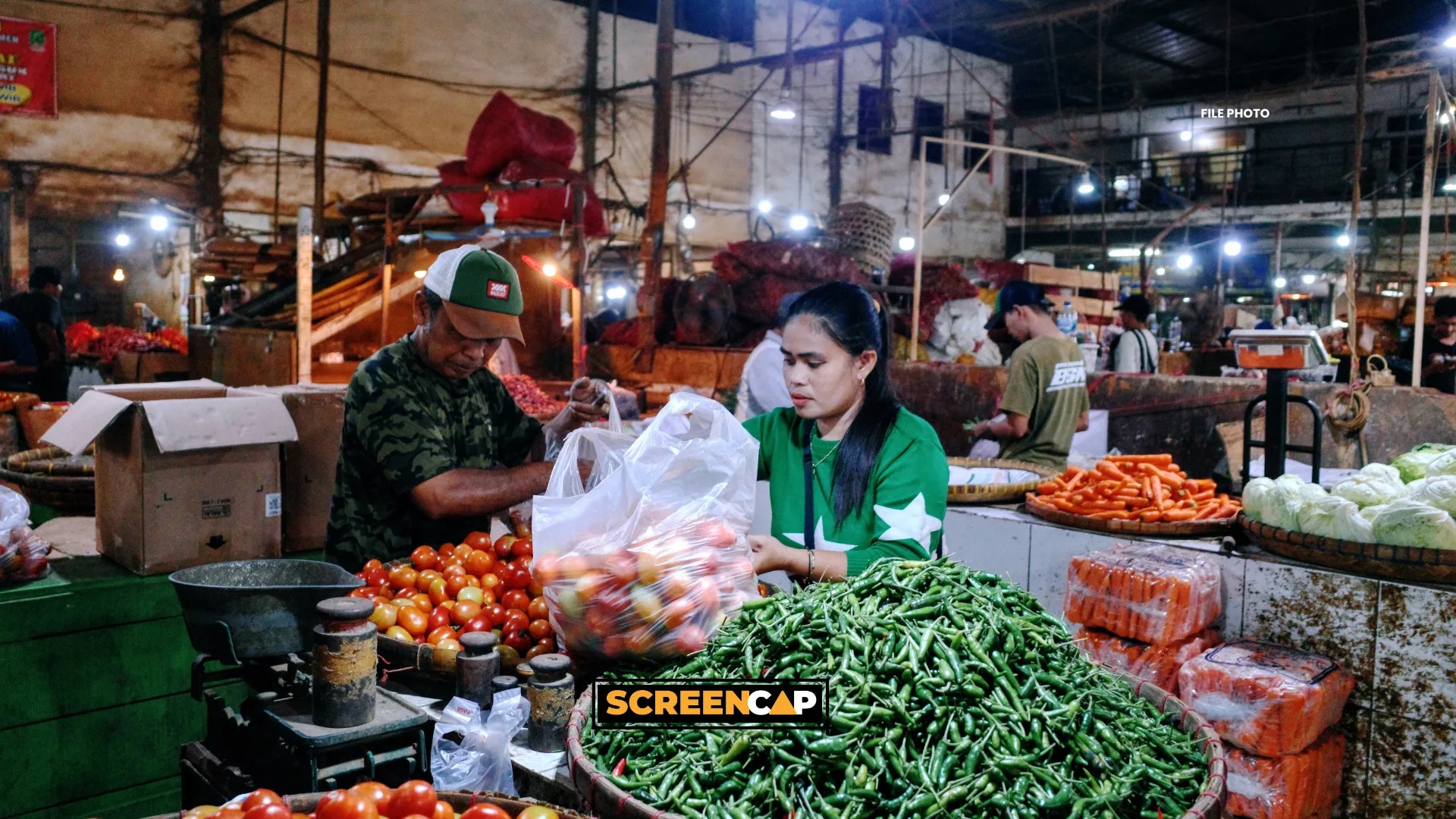
PSA data showed food inflation slowed to 4.6 percent in August from 5.2 percent in July, making it one of the main factors behind the slight moderation in headline inflation.
The decline in food inflation was attributed to more stable domestic supply, particularly lower vegetable prices and slower increases in fish prices. This was partly offset by faster rice inflation, which the government attributed in part to higher logistics costs.
Inflation in the housing, water, electricity, gas and other fuels category also slowed, aided by lower electricity and water rates.
Transport costs, however, increased at a faster pace in August as higher global crude oil prices pushed up domestic pump prices.
Core inflation, which excludes volatile food and energy items, also eased to 4.1 percent in August from 4.2 percent in July.
For households in the lowest 30 percent income group, inflation remained unchanged at 8.2 percent.
Despite the slight easing in August, headline inflation averaged 5.2 percent in the first eight months of 2026, remaining above the government’s full-year target of 3 percent and its target range of 2 percent to 4 percent.
On a month-on-month seasonally adjusted basis, headline inflation accelerated to 0.5 percent in August from zero percent in July.
The BSP said it would continue to closely monitor developments that could affect the inflation outlook, particularly recent developments in the Middle East and weather-related disturbances.
RAW:
The country’s headline inflation eased slightly to 6.1 percent in August, from 6.2 percent in July, as lower food prices and slower increases in housing and utility costs helped temper overall price pressures, the Philippine Statistics Authority (PSA) reported Friday.
The August inflation rate was within the 5.5 percent to 6.5 percent forecast range of the Bangko Sentral ng Pilipinas (BSP).
“While the overall figure remained stable, the moderation in key drivers such as food inflation gives us confidence that we are moving in the right direction,” Department of Economy, Planning, and Development (DEPDev) Secretary Arsenio M. Balisacan said.
Data released by the PSA showed that food inflation slowed to 4.6 percent in August from 5.2 percent in July, making it a key factor behind the slight easing in headline inflation.
Overall, headline inflation averaged 5.2 percent during the first eight months of 2026, remaining above the government’s full-year target of 3 percent and the target range of 2 percent to 4 percent.
On a month-on-month seasonally adjusted basis, however, headline inflation accelerated to 0.5 percent in August, from zero percent in July.
Core inflation, which excludes volatile food and energy items, also moderated to 4.1 percent from 4.2 percent in the previous month.
Inflation for households in the lowest 30 percent income group remained unchanged at 8.2 percent in August.
The decline in food inflation was attributed to more stable domestic supply, particularly lower vegetable prices and slower increases in fish prices. This was partly offset by faster rice inflation, which the government attributed in part to higher logistics costs.
Meanwhile, lower electricity and water rates helped slow inflation in the housing, water, electricity, gas, and other fuels category.
Transport costs, on the other hand, rose at a faster pace in August as higher global crude oil prices pushed up domestic pump prices.
The BSP said it would continue to closely monitor developments that could affect the inflation outlook, particularly the impact of recent developments in the Middle East and weather-related disturbances.