
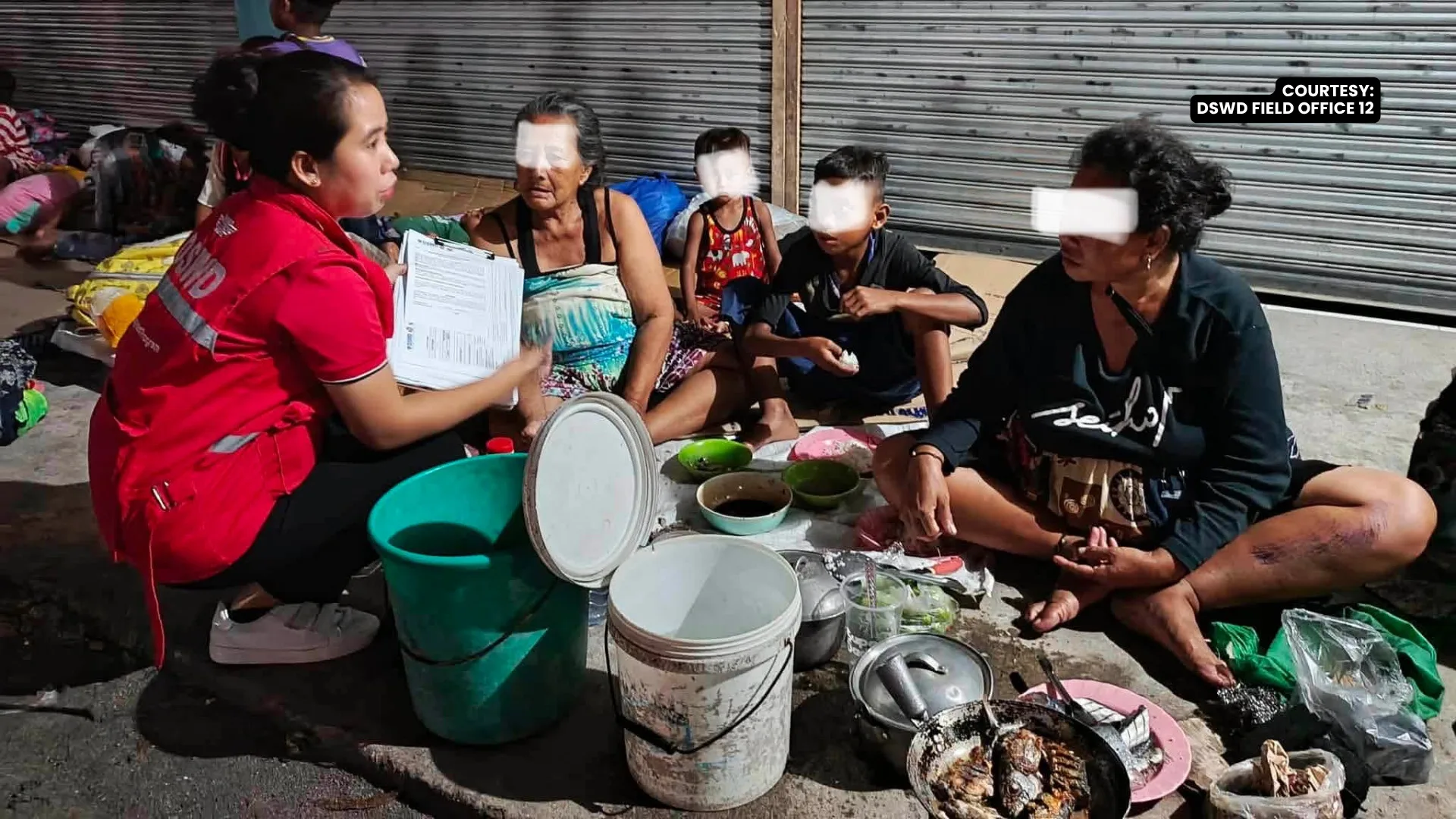
More than 20,800 vulnerable individuals and families living in street situations have been reintegrated into their communities under the Department of Social Welfare and Development’s Pag-abot Program.
The DSWD said the program had profiled 29,689 individuals nationwide, reached 22,597 and reintegrated 20,899 beneficiaries as it expanded shelter, livelihood and case-management services across the country.
“We want to ensure that those reached out in the provinces are given sustainable interventions to help them start anew. Dito sa ating Pag-abot processing center, mas mararamdaman nila yung kalinga na ating ibinibigay,” DSWD spokesperson Assistant Secretary Irene Dumlao said Wednesday, July 15.
In the Cordillera Administrative Region, the DSWD provided livelihood packages to individuals and families reached during operations in Baguio City. Similar outreach activities are being conducted in Kalinga, Abra and Mountain Province.
In SOCCSKSARGEN, DSWD Field Office 12 partnered with the Surallah municipal government in South Cotabato to profile people in street situations and facilitate case management and reintegration assistance for those willing to return to their home provinces.
The agency’s Davao regional office also provided a tricycle as livelihood assistance to the Lacat family in Malita, Davao Occidental, following their safe return from Manila.
The DSWD currently operates dedicated Pag-abot processing centers in Pasay City and Liloan, Cebu, to accommodate people reached through the program. A third facility in San Fernando, Pampanga, is expected to open later this year.
“Having our own processing centers is important because this is where we immediately provide safe shelter, medical screening, and basic needs like food and clothing to FISS away from the dangers of the streets,” Dumlao said.
Upon admission, social workers locate the beneficiaries’ relatives and assess the assistance needed to support their return and reintegration.
Available interventions include financial aid, temporary shelter, transportation assistance, livelihood support and psychosocial services.
The nationwide initiative is supported by the Pag-abot Inter-Agency Committee, which coordinates community advocacy and targeted government services.
“We are actively strengthening our partnerships with local government units, as well as our efforts in the inter-agency committee to secure commitments from partners, and expanding the skills of our implementers to improve our service delivery,” Dumlao said.
The Pag-abot Program was institutionalized through Executive Order No. 52 upon the directive of President Ferdinand Marcos Jr. to establish unified government services and safety nets for vulnerable individuals and families in street situations.
The DSWD urged the public to report vulnerable individuals or families through the official Pag-abot Program Facebook page or by calling 8-931-9141.