
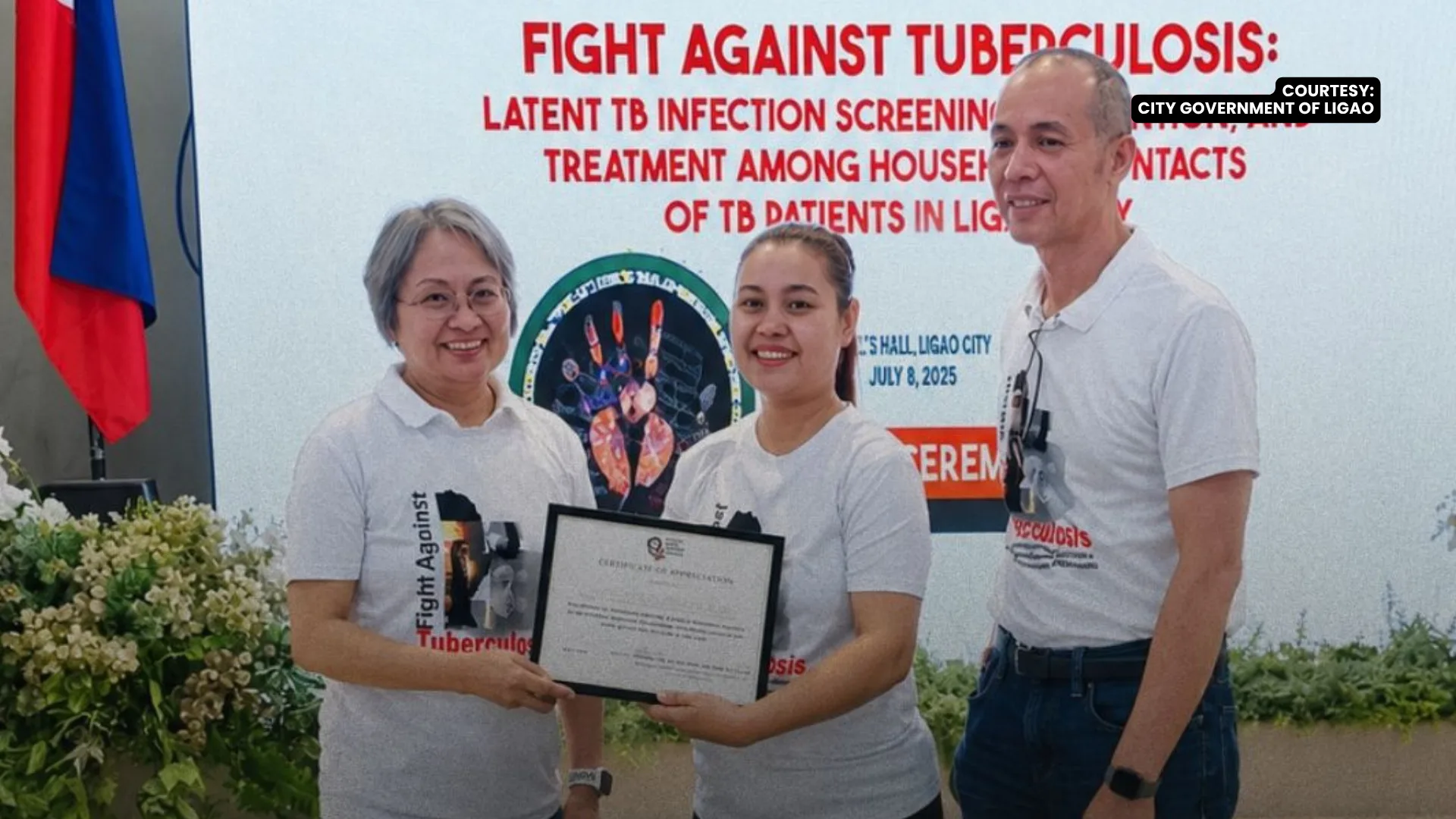
A New York-based Filipino organization is intensifying efforts to help curb tuberculosis (TB) in the Philippines by promoting the early detection and treatment of Latent Tuberculosis Infection (LTBI), a condition that can develop into active tuberculosis if left untreated.
Unlike active TB, LTBI does not cause symptoms and is not contagious. However, health experts warn that infected individuals remain at risk of developing active tuberculosis without timely treatment.
World Health Organization (WHO) data for 2025 show that the Philippines accounted for 6.8 percent of global tuberculosis cases, making TB one of the country’s most pressing public health challenges.
The advocacy is being spearheaded by Dr. Elvy Barroso, a recipient of the Presidential Awards for Outstanding Filipino Individuals and Organizations Overseas, through the Fight Against Tuberculosis Among Filipinos Foundation Inc.
Barroso said the foundation aims to raise awareness about LTBI, particularly among people who have had close contact with individuals diagnosed with active tuberculosis, as they are among those at higher risk of infection.
The organization emphasized that early detection significantly improves outcomes. While active tuberculosis typically requires at least six months of treatment and may require patient isolation to prevent transmission, LTBI can often be treated with a three-month course of medication when diagnosed early.
Through the Commission on Filipinos Overseas’ Lingkod sa Kapwa Pilipino Program, the foundation works with local communities to strengthen tuberculosis awareness and prevention efforts across the country.
Its initiatives include providing free training for healthcare workers, including local TB coordinators, and offering free LTBI screening for household members of patients diagnosed with active tuberculosis.
The foundation also promotes the Tuberculin Skin Test (Mantoux Test) as an affordable and effective tool for detecting latent tuberculosis infection.
The foundation said expanding access to early screening and treatment can help prevent LTBI from progressing into active tuberculosis, ultimately reducing the disease’s impact on Filipino families and communities.