
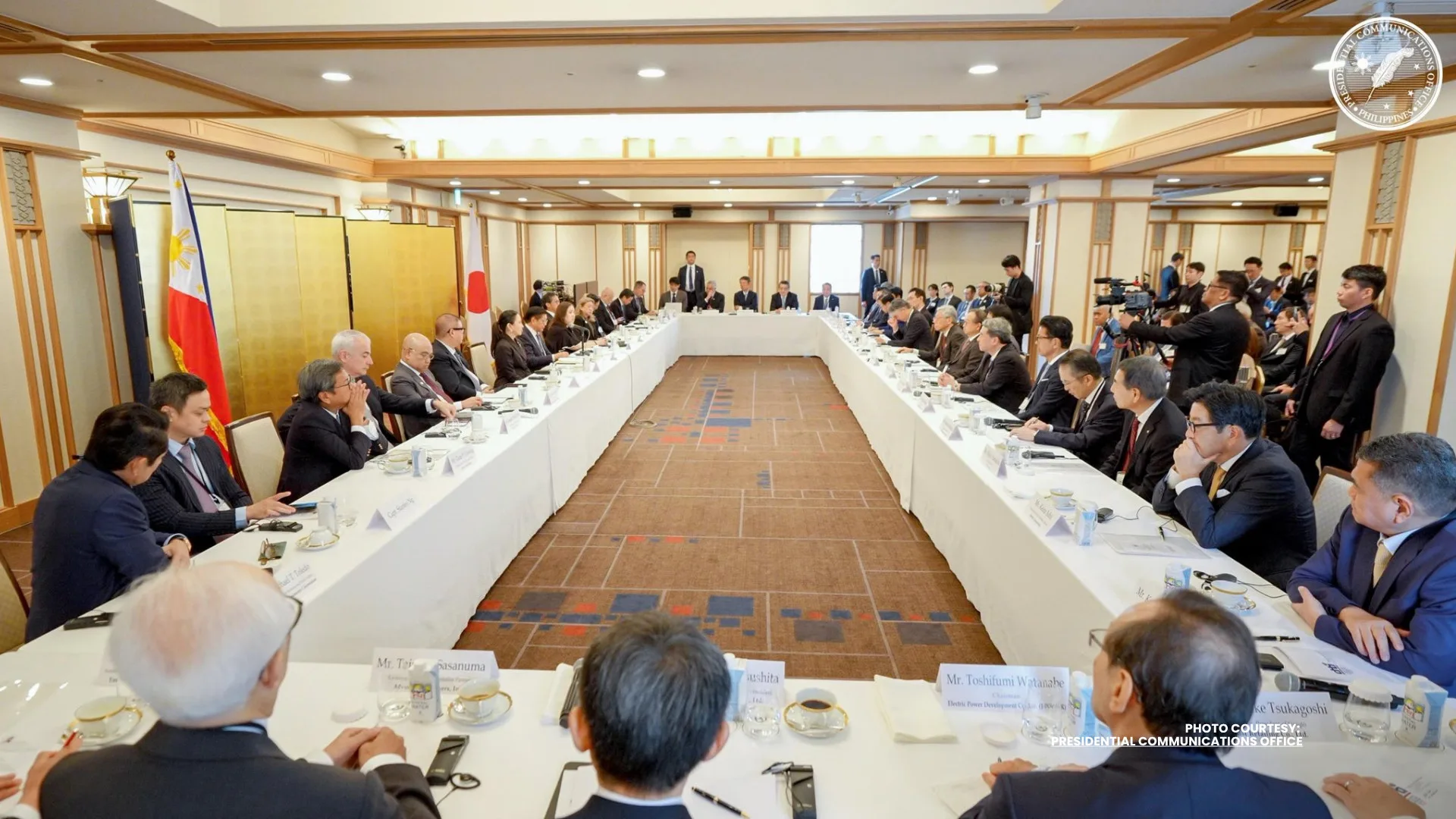
President Ferdinand Marcos Jr. said the Philippines and Japan are moving to elevate their relations to a Comprehensive Strategic Partnership, calling it a reflection of the deep trust and shared purpose built by the two nations over seven decades.
Speaking before the Japan-Philippines Parliamentary Friendship League in Tokyo on Wednesday, Marcos said the planned upgrade would mark the “highest tier” in the Philippines’ diplomatic framework and the first of its kind for the country.
The President made the remarks during his state visit to Japan, where he is also scheduled to address a joint session of the National Diet and meet with Japanese Prime Minister Sanae Takaichi to discuss ways to strengthen bilateral cooperation.
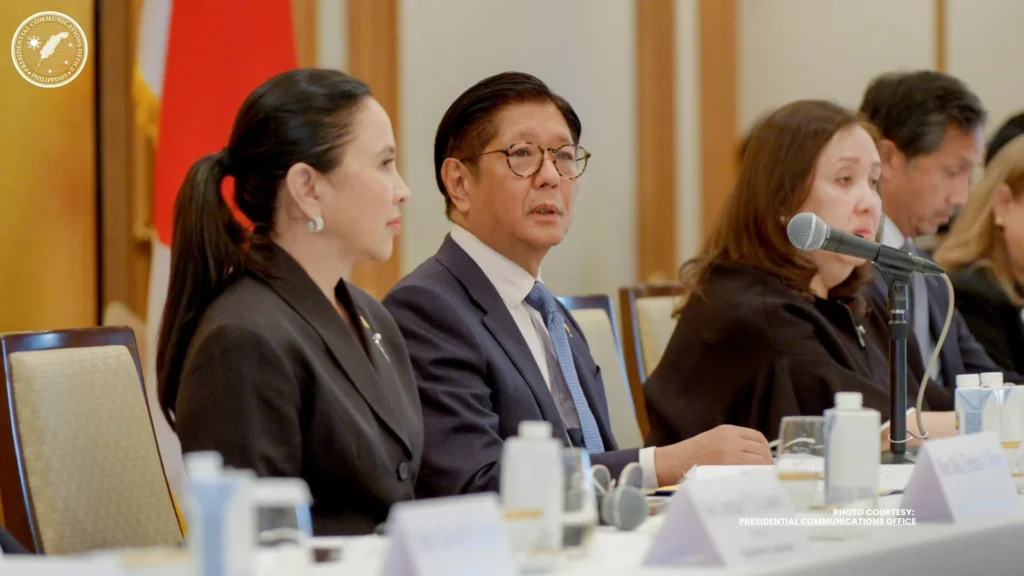
Marcos said this year’s 70th anniversary of the normalization of diplomatic relations between Manila and Tokyo highlights a partnership shaped by reconciliation, trust, and common democratic values.
“This step attests to the exceptional level of trust between our two countries and our common resolve to further deepen cooperation in addressing the challenges and opportunities that await us,” Marcos said.
He thanked the parliamentary friendship league for helping keep relations between the two countries strong, relevant, and responsive to changing regional conditions.
Marcos said the Philippines and Japan are facing a rapidly shifting international environment marked by geopolitical tensions, supply chain disruptions, and growing pressure on the rules-based international order.
He said these challenges require deeper engagement among like-minded partners, rather than hesitation or retreat.
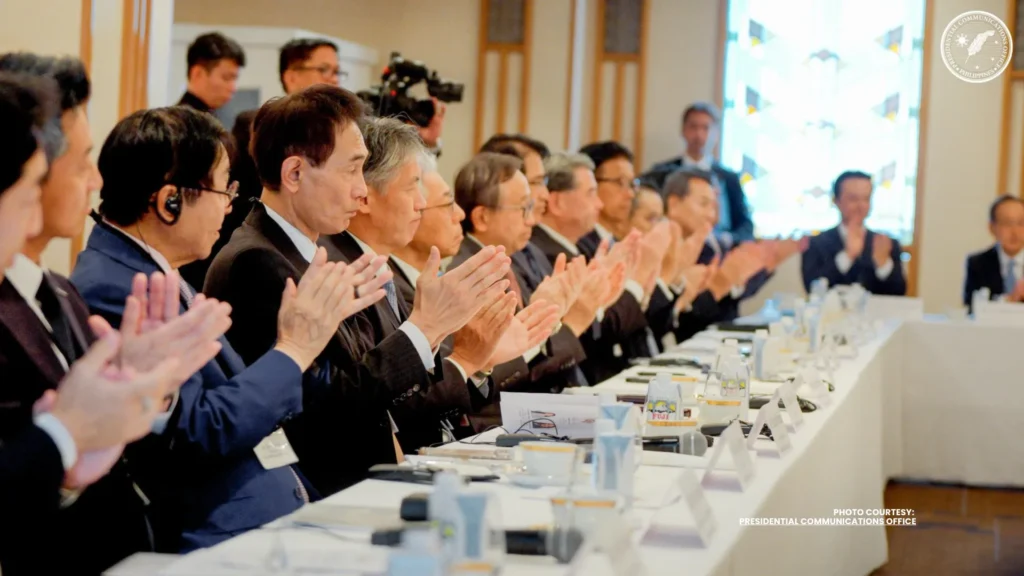
The President welcomed Japan’s more active role in promoting stability and prosperity in the Indo-Pacific, particularly in regional security, supply chain resilience, technological innovation, and economic security.
Marcos also reaffirmed the importance of ASEAN centrality in shaping an open, inclusive, and rules-based regional architecture.
At the bilateral level, Marcos said maritime security remains a key pillar of the partnership between the Philippines and Japan as “maritime democracies.” He said recent developments have shown that the world cannot afford disruptions in waterways, given their importance to global trade, energy flows, and economic stability.
He cited the Reciprocal Access Agreement and the Acquisition and Cross-Servicing Agreement as major instruments supporting growing defense and security cooperation between the two countries.
Marcos also thanked Japan for continuing to include the Philippines under its Official Security Assistance program for the third straight year, saying the support contributes to the country’s maritime domain awareness and overall maritime security.
Beyond defense, the President said Japan remains one of the Philippines’ most important partners in trade, investment, and development assistance, particularly in long-term human security programs in Mindanao and other parts of the country.
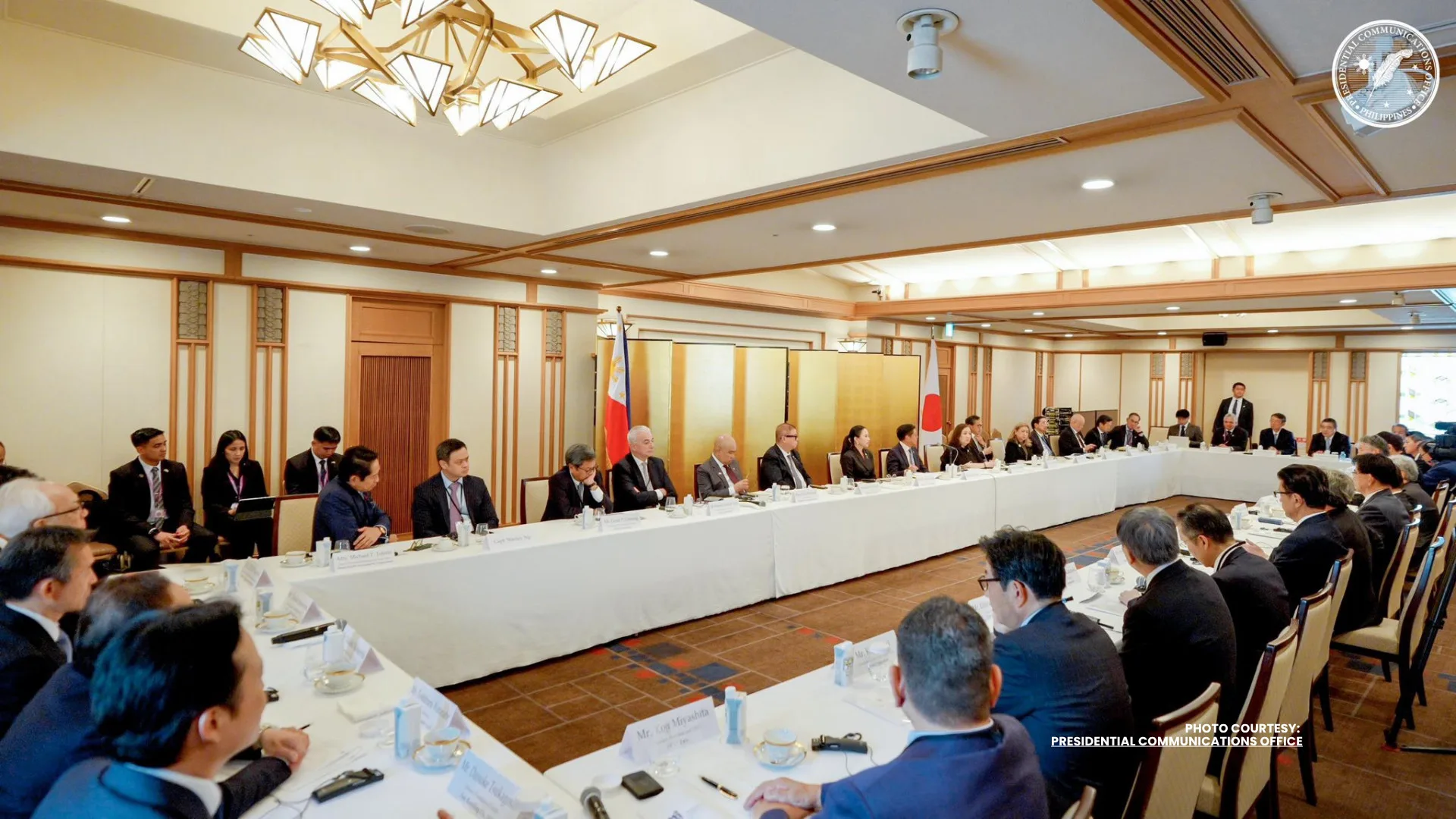
He also identified clean energy, digital transformation, critical minerals, artificial intelligence, and space cooperation as emerging areas where both countries could expand collaboration.
Marcos said the Philippines also looks forward to deepening economic cooperation through the bilateral Economic Partnership Agreement, which will mark its 20th anniversary in September, and through Manila’s prospective accession to the Comprehensive and Progressive Agreement for Trans-Pacific Partnership with Japan’s support.
The President said people-to-people ties remain at the heart of the partnership, citing the Filipino community in Japan, Japanese enterprises in the Philippines, growing travel between the two countries, and mutual support during disasters and crises.
“As we navigate shifting currents, the friendship between the Philippines and Japan continues to evolve and to grow stronger,” Marcos said.