
President Ferdinand R. Marcos Jr. outlined a comprehensive inter-agency strategy on Sunday to mitigate the impact of an intensifying El Niño weather phenomenon, prioritizing uninterrupted hospital operations, food and water security, agricultural assistance, and flexible learning modes for students.
Speaking during a media briefing in Singapore, the President confirmed that the El Niño Task Force has convened to align emergency responses across key executive agencies, including the Department of Science and Technology (DOST), Department of Health (DOH), Department of Agriculture (DA), Department of Social Welfare and Development (DSWD), and the Presidential Communications Office (PCO).
President Marcos stated that securing health facilities stands as the administration’s immediate priority.
“We met with everyone involved. Inuna ko ‘yung hospital. That, to make sure that hospitals stay open, they have their medical supplies, they have the appropriate supplies for what they anticipate will be the diseases that will come out of a very, very dry season,” Marcos said.
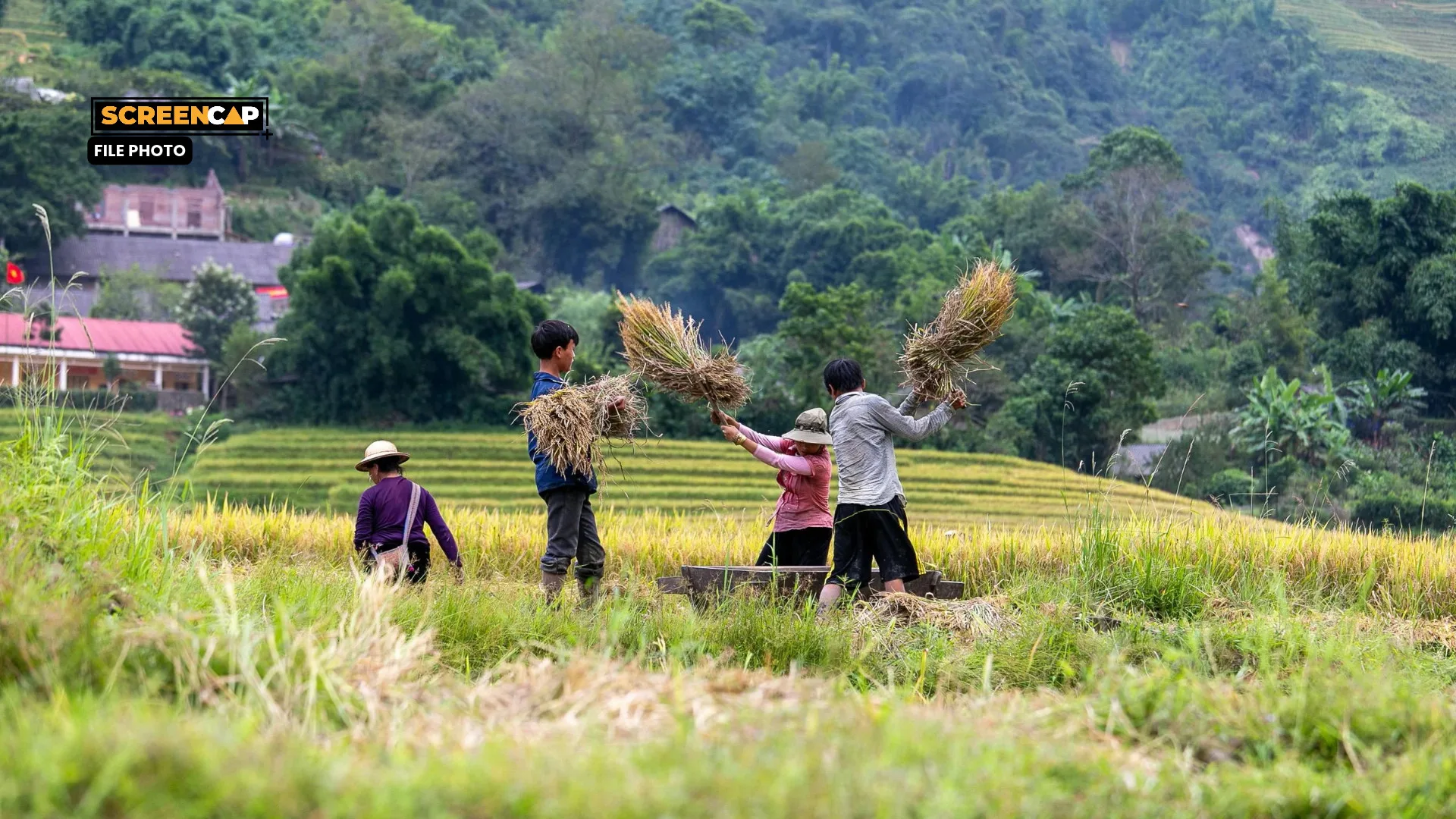
Addressing food security, the President expressed confidence in current staple reserves but warned that long-term agricultural planning remains crucial.
“Well, agri, we’re okay for our rice supply. We’re all right… we’re starting harvest season now. Our harvest is good. Hindi na matatamaan ng El Niño. So, okay na tayo for that. It’s the next season that we need to be thinking about,” he explained.
To assist farming communities through prolonged dry spells, the government will deploy cloud-seeding operations and partner with the Technical Education and Skills Development Authority (TESDA) to provide affected workers with alternative skills training and livelihood support.
On municipal water security, the Chief Executive outlined household-level interventions alongside dam management, adding that the government will distribute water filters and treatment tablets.
“Tuturuan namin kayo—we’ll give you how to fill—‘yung gamot para maging malinis. We’ll give you the filter. We’ll teach you how to do everything para hindi kayo magkasakit at maayos ang pag-treat ng tubig, pag-filter ng tubig. And it will be healthy even for little children,” Marcos noted.
The administration is also formulating measures to minimize disruptions to basic education caused by extreme heat and drought conditions.
“Then, we started thinking also about the children going to school because baka naman mabawasan na naman ‘yung school days natin because of masyadong mainit at hindi makapasok ‘yung mga bata, or it’s too uncomfortable or even unhealthy,” the President said, adding that while alternative learning modes will be prepared, the government will prioritize face-to-face classes as much as possible.
President Marcos concluded by directing all member agencies of the task force to submit their detailed action plans and timelines for immediate implementation.