
The House of Representatives said in a statement that it remains focused on passing priority reforms and sustaining public service as concerns grow over the credibility of government institutions.
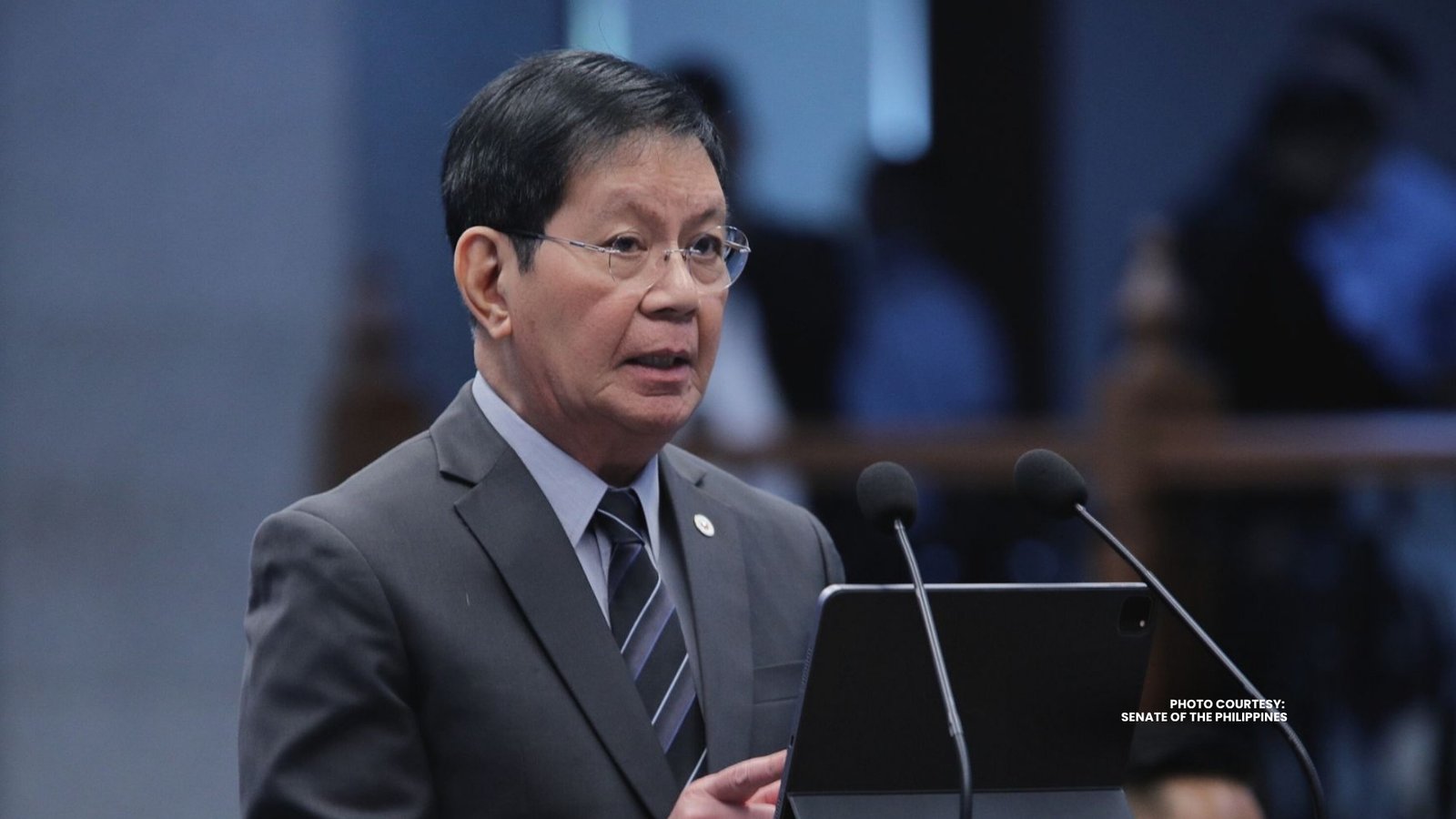
The statement came after Sen. Panfilo “Ping” Lacson said in an interview that he had considered resigning from the Senate out of frustration over recent developments that he believed affected the chamber’s public image. He also noted the favorable public perception currently enjoyed by the House.
House leaders appealed to Lacson to remain in public service, saying the country still benefits from his experience, competence, integrity and independent voice, especially at a time when democratic institutions are under close public scrutiny.
The chamber said the strongest response to public frustration is disciplined and productive governance, citing its work on priority legislation under the Legislative-Executive Development Advisory Council (LEDAC).
According to the House, it has approved 20 of the 52 LEDAC priority measures in the 20th Congress. These include bills on Bangsamoro elections, geriatric health, national land use, 4Ps amendments, energy regulation, waste-to-energy, education assistance, crisis aid, the National Building Code, the blue economy, reintegration, teacher professionalization, estate tax amnesty, water resources, bank secrecy, travel tax abolition, digital payments, tertiary education access, merit scholarships and biofuels.
The House is also expected to approve on third and final reading the proposed Anti-Political Dynasty Act, a LEDAC priority measure that seeks to promote fairer political competition and open more opportunities for new and grassroots leaders.
Lawmakers are likewise preparing to act on the proposed Kalinga Act, a national emergency response and resiliency framework intended to help the government address fuel-driven inflation, energy supply disruptions and other economic shocks affecting vulnerable sectors.
The proposed Kalinga Act seeks to institutionalize a faster and more coordinated response when sudden increases in fuel and commodity prices burden workers, transport groups, farmers, small businesses and ordinary households.
The House said its legislative output was the result of committee deliberations, consultations, technical reviews and consensus-building before measures reached plenary approval.
It also maintained that its agenda remains focused on public needs rather than political spectacle.
“The House remains firmly committed to principled, stable, and productive governance. Our focus is not political drama, but the steady pursuit of legislation and reforms that deliver concrete and meaningful benefits to Filipino families and help move the nation forward,” the statement said.