
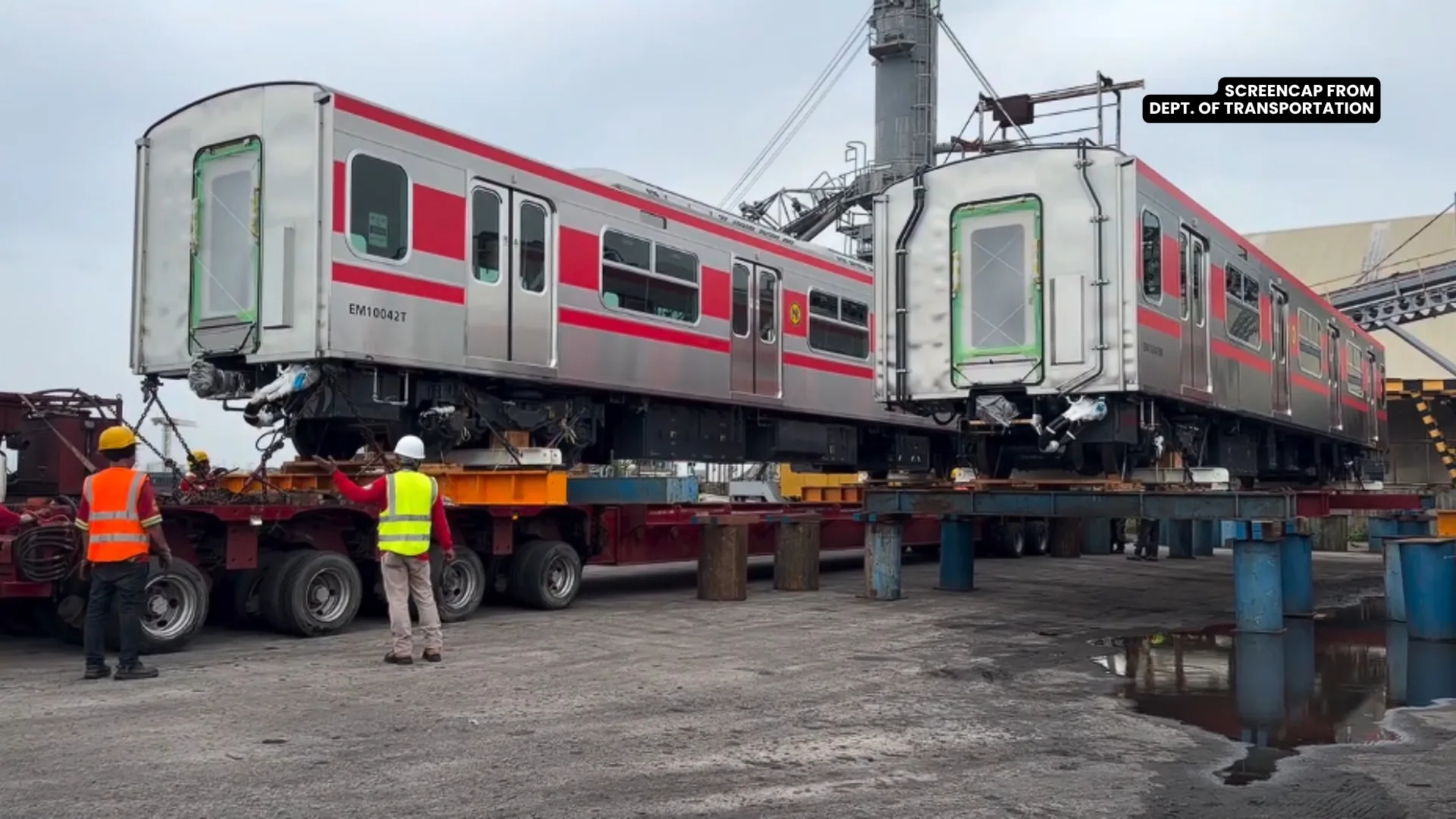
The Economy and Development (ED) Council has cleared modifications to the public-private partnership (PPP) frameworks of two key infrastructure assets: the North-South Commuter Railway (NSCR) Operations and Maintenance (O&M) project and the Mactan-Cebu International Airport (MCIA).
For the NSCR O&M contract, the council approved updates to project parameters, terms, and conditions (PTCs) to stimulate broader bidder participation and generate more competitive proposals. The megaproject, designed to link Central Luzon, Metro Manila, and Southern Luzon, is slated for partial operations starting December 2027.
“The NSCR is an investment in opportunity,” stated Department of Economy, Planning, and Development Secretary and ED Council Vice Chair Arsenio M. Balisacan, noting that enhanced regional mobility will broaden access to employment, commerce, schooling and government services.
For MCIA, the council authorized a concession period extension, granting the private operator additional operational run-rate to recoup capital expenditures. In exchange, the concessionaire is set to deliver nearly P15 billion in capacity augmentation and capital investments. The move aims to facilitate route expansions and smoother passenger transfers while insulating travelers from sharp increases in service fees.
Beyond transport PPPs, the council adjusted the scope, cost, and timelines for three key socio-economic programs: TESDA’s Supporting Innovation in the Philippine Technical and Vocational Education and Training System (SIPTVETS), DPWH’s Road Network Development Project in Conflict-Affected Areas in Mindanao (RNDP-CAAM) and DSWD’s Reducing Food Insecurity and Undernutrition with Electronic Vouchers (REFUEL).
Additionally, the council ordered a comprehensive review of class suspension guidelines to better equip local authorities for diverse environmental hazards, including severe weather, seismic events, volcanic activity, poor air quality and extreme heat.
“Refining this policy is a matter of urgency,” Balisacan emphasized. “We must protect our learners and teachers while ensuring the continuity of education in the face of evolving risks,” he added.