
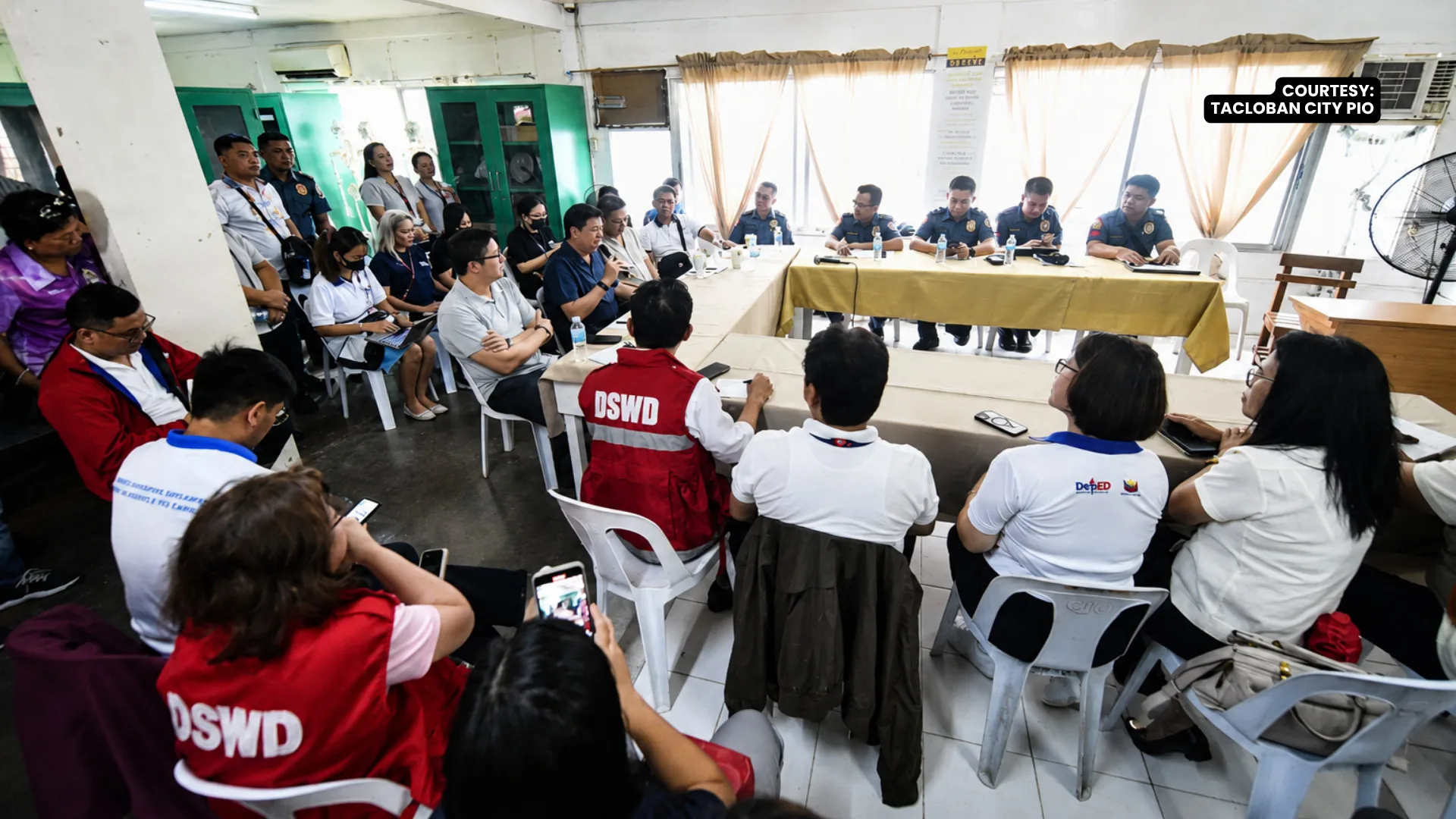
The Department of Social Welfare and Development said it is providing intensive intervention to the two minors involved in the recent Tacloban City school shooting, with officials stressing that their rehabilitation will depend on psychological assessment, family participation, and individualized intervention plans.
At the DSWD Thursday Media Forum on July 2, Assistant Secretary Ada Colico of the agency’s Protective Programs said the minors are now under the care of a DSWD-managed Regional Rehabilitation Center for Youth.
Colico said the two minors are being housed separately from other residents and are being closely monitored by dedicated personnel.
“Sa Tacloban case po natin, yung dalawa pong bata, may separate room po sila, hindi sila humalo doon sa iba pang residents ng RRCY. Mayroon silang exclusive na house parent and exclusive psychologist na talagang nakatutok sa kanila; regularly silang kinakausap, even yung case manager nila na social worker. So intensive ang kanilang intervention,” Colico told reporters.
She said the minors remain under restricted movement while their assessments are ongoing.
“Sa ngayon, hindi pa po sila nakakalabas sa kanilang room and then wala rin po silang communication sa parents,” Colico said.
Asked for further details, Colico said the agency cannot disclose information on the minors in compliance with confidentiality rules under the Juvenile Justice and Welfare Act.
“Hindi pa po natin puwedeng i-divulge yung information. All information about our clients is confidential. Ang masasabi lang po natin ay ongoing pa rin po ang kanilang psychological assessment. At ito po ay may nakatutok na mga psychologist na exclusive po sa kanila ang tumitingin. Also, our social workers and our house parents mayroon po talagang nakatutok po sa kanila,” she said.
Colico said the DSWD has yet to determine when the minors’ parents may be allowed to visit, adding that this will depend on the assessment of social workers and psychologists handling the case.
“Depende po ’yan sa magiging assessment ng ating mga social worker at ng ating psychologist. Kasi doon po nakadepende sa situation or condition din ng mga bata kung ano yung next steps,” Colico said.
She said each minor has an intervention plan that sets out the therapeutic activities, rehabilitation steps, and medical needs required for recovery.
The DSWD official said rehabilitation must involve not only the child but also the family.
“Isa sa crucial part ng rehabilitation ng bata is yung participation ng family, kasi itong support na ito ay importante in rehabilitating yung ating mga CICL. Ito po ay tinatawag nating holistic approach at total family approach. Kasi sinasabi po natin, yung bata ay hindi naman makaka-commit ng crime solely by himself or herself, kundi by many factors,” Colico said.
She said parenting, home environment, peer influence, and other social factors are considered in preparing rehabilitation plans for children in conflict with the law.
“Sabi nga po sa hearing kahapon, posibleng ang parenting mismo ay isa sa mga reasons kung bakit nag-commit ng crime ang mga bata. Maaaring sa environment, maaaring sa support ng kanyang close peers. So yun po yung mga different factors na dapat nating tingnan. At sabi po natin kasama po sa intervention plan natin, rehabilitation plan is involvement ng parents,” Colico said.
Asked about the possible influence of video games and online content, Colico said experts recognize that these may contribute to a child’s behavior, but should not be treated as the only factor.
“Lumalabas po na malaking factor yung mga nasa social media, internet games, kasi ito pong mga minor ay parang mayroong nakitang koneksyon sa 764 network, at ito ay parang mga extremists. So may group na organized. Pero ang sabi naman ng mga experts is dapat ang approach ay hindi lang yung parte na yun. Tingnan din po natin yung role ng parents. So kailangan din ma-emphasize yung parental support at parental monitoring. Ito po ay importanteng bahagi rin in terms of doon sa cases na na-encounter natin,” Colico said.
She also stressed that a minor’s readiness to return to the community will be determined by professional assessment, not by the child’s own declaration.
“Yung atin pong mga psychologist, marami po tayong tests na ginagawa sa mga bata. Ito po yung nagiging basehan ng ating mga social workers, multidisciplinary people, nag-uusap-usap para kung puwede na ba talaga itong batang ito to be integrated sa community or talagang rehabilitated na siya. At hindi po basehan na sasabihin ng bata na ‘okay na po, rehabilitated na po.’ Hindi po puwede yun,” Colico said.
Aside from residential care, the DSWD said it is also strengthening community-based programs to help prevent children from committing offenses.
Colico said these include Parent Effectiveness Services and other initiatives aimed at improving parental responsibility, family support, and community-level prevention.
“Ang DSWD, mayroon din po tayong mga community-based programs. We are strengthening the responsibilities of the parents, and we are strengthening the prevention of these crimes at the community level. And then mayroon din po tayong Parent Effectiveness Services, which are community-based programs,” she said.