
The Department of Science and Technology (DOST) is advocating for the adoption of science-based tools to support government agencies and the public in preparing for the expected intensification of El Niño in the coming months.
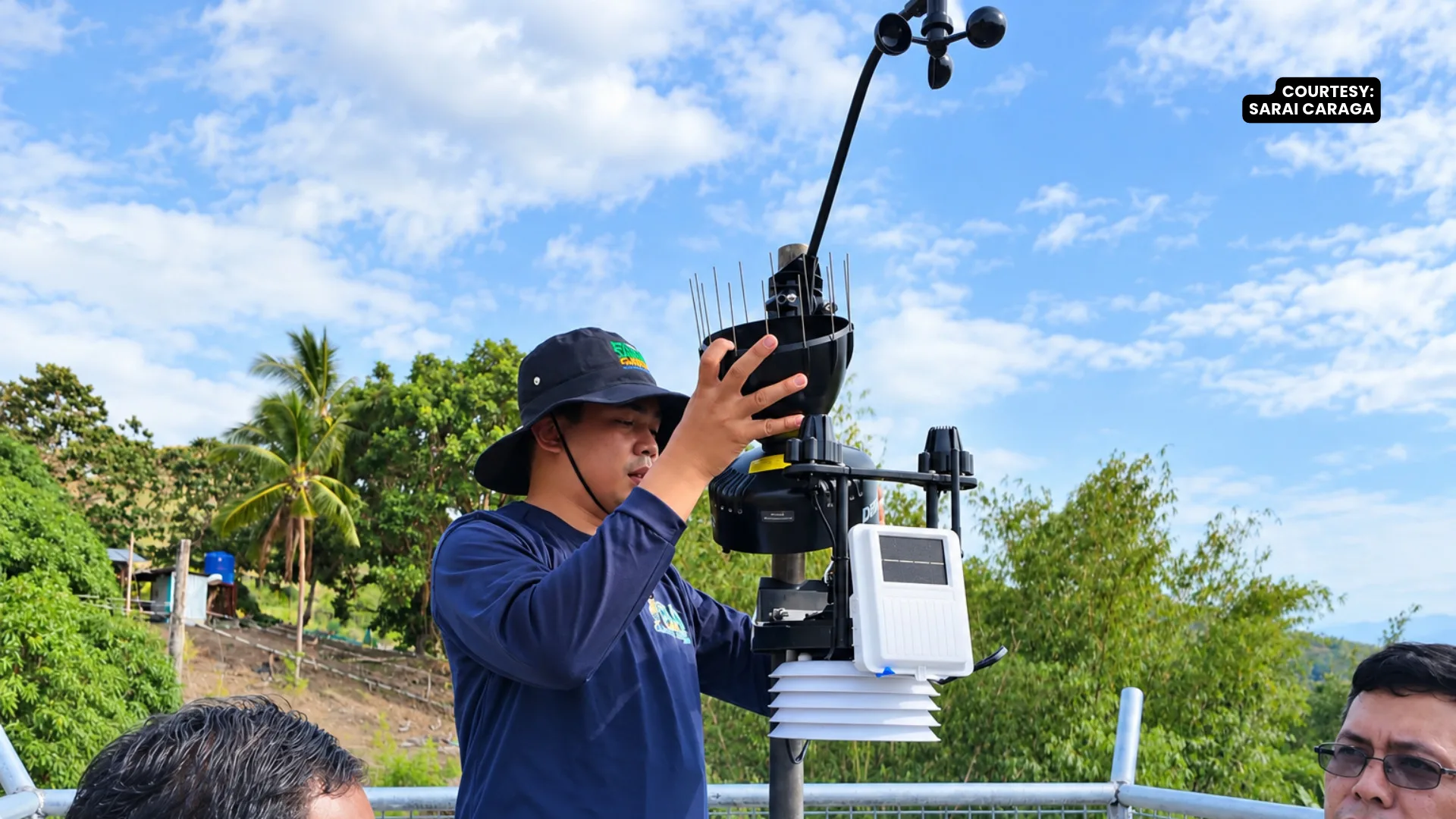
DOST Eastern Visayas Regional Director John Glenn Ocaña highlighted Project SARAi (Smart Approaches to Reinvigorate Agriculture as an Industry), an initiative designed to provide localized agricultural advisories to help farmers manage drought conditions and related climate risks.
“Our farmers can expect that we will have a timely and accurate advisory on the situation of their specific areas, especially in region 8, because this is one of the regions where the impact of El Niño is expected to intensify. If they will be able to have this kind of information through the advisories that we’re going to have through our SARAi project, then they will be able to know what they should do,” Ocaña said.
Ocaña made the remarks during the Handa Pilipinas Visayas Leg event in Palo, Leyte.
Led by the University of the Philippines Los Baños (UPLB), Project SARAi generates location-specific weather advisories to assist agricultural workers in optimizing farm management decisions.
The initiative integrates local weather observations and drought forecasts to formulate guidance on nutrient and water management, alongside proactive monitoring of pests and diseases.
According to the DOST, Project SARAi currently serves 80 provinces across the country.
In parallel, the Philippine Atmospheric, Geophysical and Astronomical Services Administration (PAGASA), through its Regional Services Division, maintains regular climate updates and advisories on its website to identify areas prone to reduced rainfall.