
The Department of Education (DepEd) has launched Project LIGTAS+, a technology-driven platform designed to help protect schools and students from the impact of natural disasters.
Project LIGTAS+, which stands for Learning Institution Geohazard Tracking and Assessment for Safety, uses geospatial analytics, satellite imagery, historical hazard data, and artificial intelligence (AI) to generate real-time risk assessments for schools across the country.
The initiative aims to strengthen disaster preparedness while minimizing disruptions to education during typhoons, floods, earthquakes, and other calamities.
According to DepEd, the system features interactive hazard maps, satellite-based flood monitoring, earthquake impact assessments, and AI-assisted weather forecasting capable of projecting conditions up to 10 days ahead.
Officials said the platform will allow the department to make more precise decisions regarding class suspensions by identifying specific schools at risk instead of imposing broad region-wide closures.
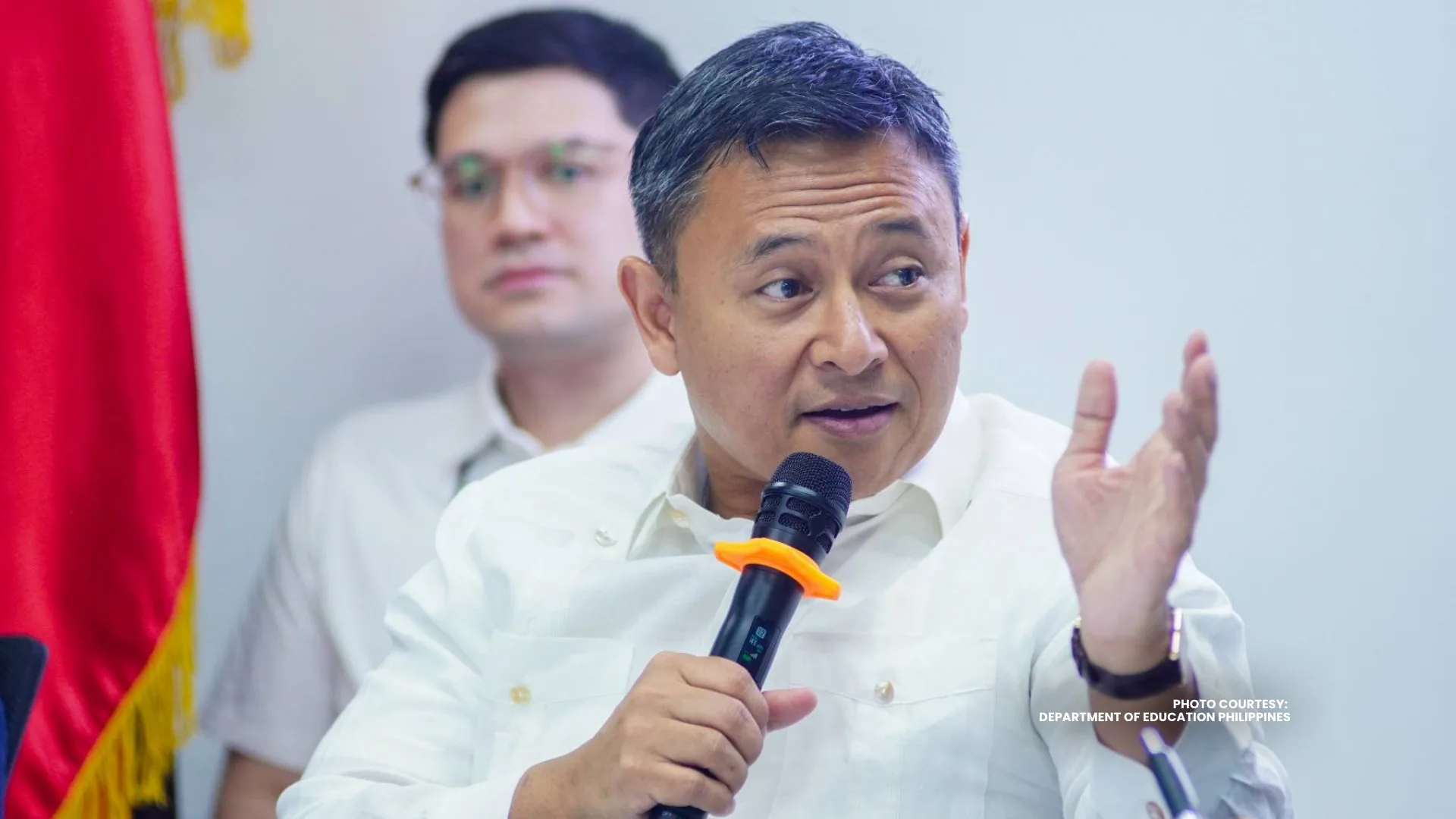
Education Secretary Sonny Angara said the program is intended to ensure that students can continue learning even during emergencies.
“Education is the most reliable ladder out of poverty. When a disaster strikes, that ladder shouldn’t break,” Angara said.
“Through Project LIGTAS+, we are fulfilling President Marcos’ mandate to use innovation not just for safety, but for stability,” he added.
The platform is currently in its pilot stage and is already being utilized by DepEd’s Disaster Risk Reduction and Management Service for situational reporting and emergency response planning.
It also supports the department’s recently introduced M7X Ready School Program.
Beyond disaster response, DepEd said the data gathered through Project LIGTAS+ will help guide long-term decisions on school infrastructure, resource allocation, and the identification of safer locations for future school facilities.
The agency’s Education Center for AI Research said the platform equips field offices with evidence-based information that can improve local disaster response and preparedness measures.
DepEd said the long-term goal of the project is to ensure that students’ access to education will no longer be heavily affected by geography or recurring natural disasters.