
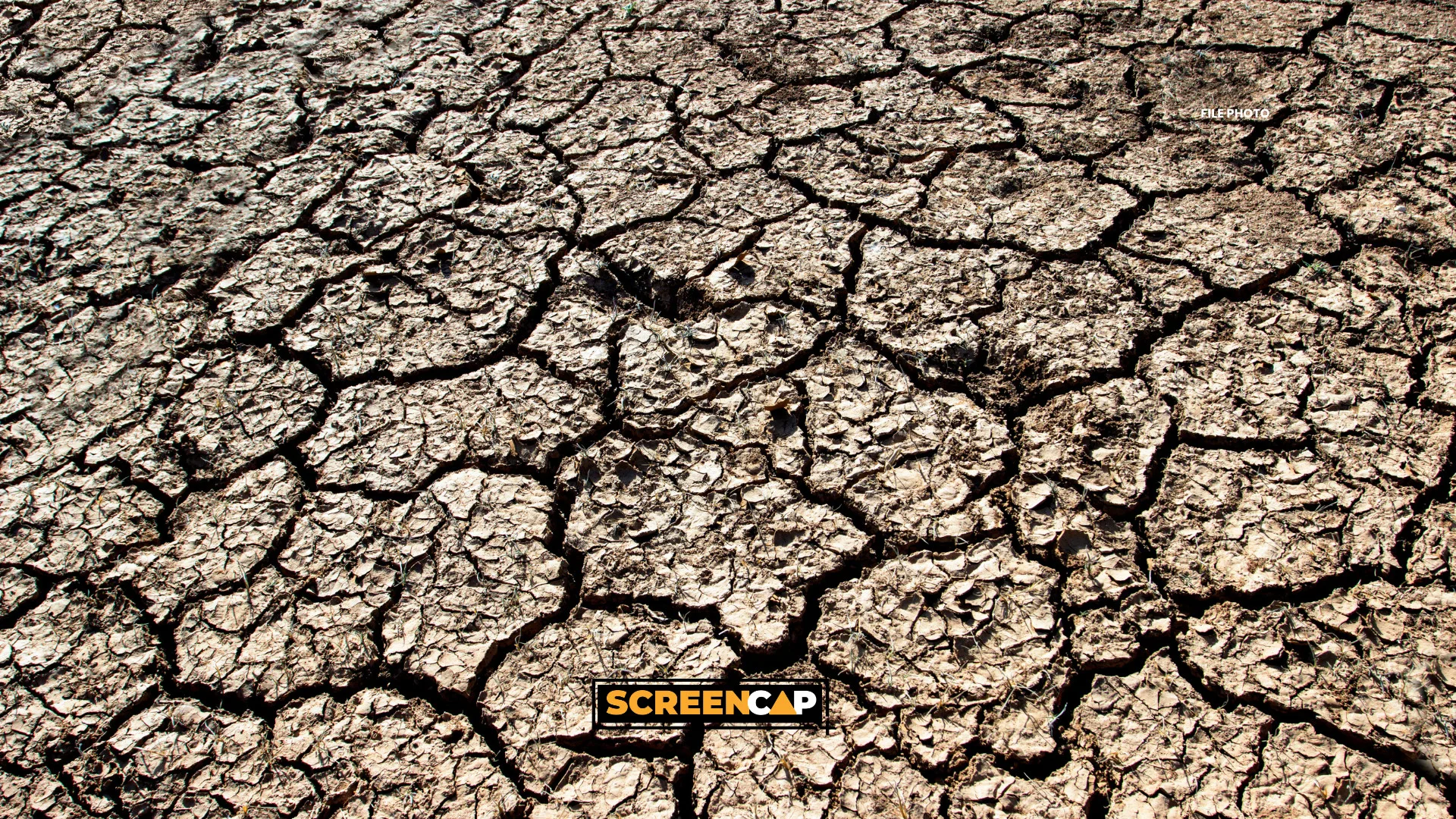
The Department of Agriculture (DA) has started rolling out assistance in the Davao Region as farm losses from moisture stress and the expected effects of El Niño are projected to climb to nearly P783 million.
Malacañang said Monday the DA is coordinating with its regional offices, attached agencies and the National Disaster Risk Reduction and Management Council to carry out climate response programs and strengthen public information efforts on El Niño preparedness.
The initial response includes the repositioning of seeds, fertilizers and other farm inputs in affected areas. The DA is also promoting crop shifting and the use of drought-tolerant crop varieties to help farmers reduce losses during prolonged dry conditions.
Farmers are also expected to receive planting materials, soil ameliorants, pesticides and biologics as part of the government’s support package.
Palace Press Officer Claire Castro said the DA is also tapping climate-resilient rural infrastructure funds under the 2026 national budget to support farmers and fisherfolk affected by dry conditions.
These include farm-to-market road projects intended to reduce transport costs and improve the movement of agricultural goods, especially in areas where farmers are already dealing with crop damage and income losses.
In the Davao Region, P1.495 billion has been allocated for farm-to-market road projects. Six projects worth P310 million have already completed detailed engineering design and program of work requirements and are awaiting the release of a Special Allotment Release Order from the Department of Budget and Management.
Other road projects are still completing documentary requirements before funding can be processed.
The DA regional office in Davao earlier reported P117 million in agricultural losses from January to March due to moisture stress. The damage included P76 million in rice losses, P26 million in corn and P14 million in high-value crops, mostly in Davao del Sur.
Losses are expected to rise sharply to around P783 million in April, affecting Davao del Norte, Davao de Oro and Davao City. High-value bananas are among the crops expected to be hit hardest.
The Palace said the interventions are meant to cushion the impact of dry conditions, protect farm incomes and help keep food production stable despite climate-related pressures.