
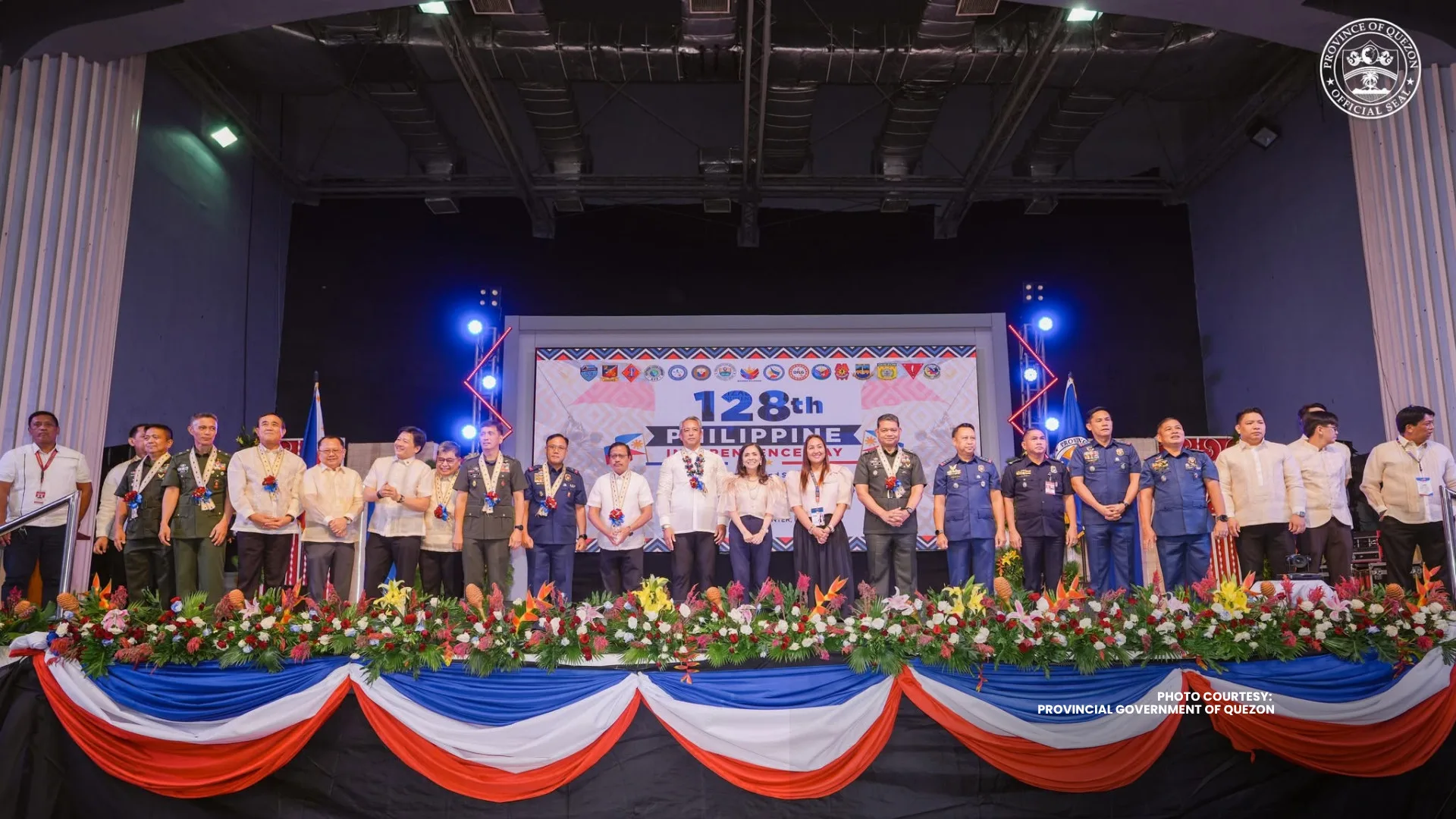
The National Task Force to End Local Communist Armed Conflict (NTF-ELCAC) has declared the Calabarzon region insurgency-free, describing the milestone as a “collective victory” for communities that endured decades of armed conflict in Southern Tagalog.
The declaration was made during a ceremony in Lucena City, Quezon on June 12, led by Interior Secretary Juanito Victor “Jonvic” Remulla, formally placing the region under Stable Internal Peace and Security (SIPS) status. Calabarzon is the first region in the country to receive such designation.
NTF-ELCAC Executive Director Ernesto Torres Jr., a retired Army general, said the achievement reflects years of sustained efforts by communities, security forces, and local institutions to dismantle insurgent influence in the region, once considered a stronghold of the Communist Party of the Philippines–New People’s Army–National Democratic Front (CPP-NPA-NDF).
Torres cited the long-standing impact of the insurgency on communities, including threats to civilians, disruption of infrastructure projects, and alleged “revolutionary tax” collection in some areas, which he said hampered local development and livelihood.
“Families lived under constant threat. Farmers and entrepreneurs were forced to pay ‘revolutionary taxes’,” Torres said, adding that the conflict had led to stalled development and long-term socio-economic losses in affected areas.
He said the SIPS declaration does not merely signify the absence of armed encounters, but the restoration of normalcy and public confidence, allowing communities to pursue development without fear of violence or intimidation.
Torres credited what he described as a “people-driven victory,” highlighting the role of barangays, families, and local leaders who resisted recruitment efforts and supported peace-building initiatives.
“Most importantly, it is the people’s victory — the collective decision of millions of Southern Tagalog residents to reject armed struggle and choose instead the hard, hopeful work of building communities,” he said.
He also acknowledged the contributions of security forces and civil society groups in supporting reintegration programs and strengthening local governance in former conflict-affected areas.
Torres stressed that the declaration should not be viewed as the end of peace efforts, but as the beginning of a transition toward long-term development, where resources can now be redirected to infrastructure, education, tourism, and livelihood programs.
“For half a century, insurgents saw this region as the pillar of their revolution. History, however, has written a different verdict — and the people themselves have delivered it,” he said.
He added that Calabarzon’s experience demonstrates that sustained peace and development initiatives can weaken armed movements and promote stability.
“Peace works, development works, and democracy works,” Torres said, emphasizing that progress is achieved through unity and shared aspirations rather than ideological division.
As the region enters its SIPS status, Torres said the focus should now shift toward sustaining peace gains and ensuring that communities benefit from long-term economic growth and stability.