
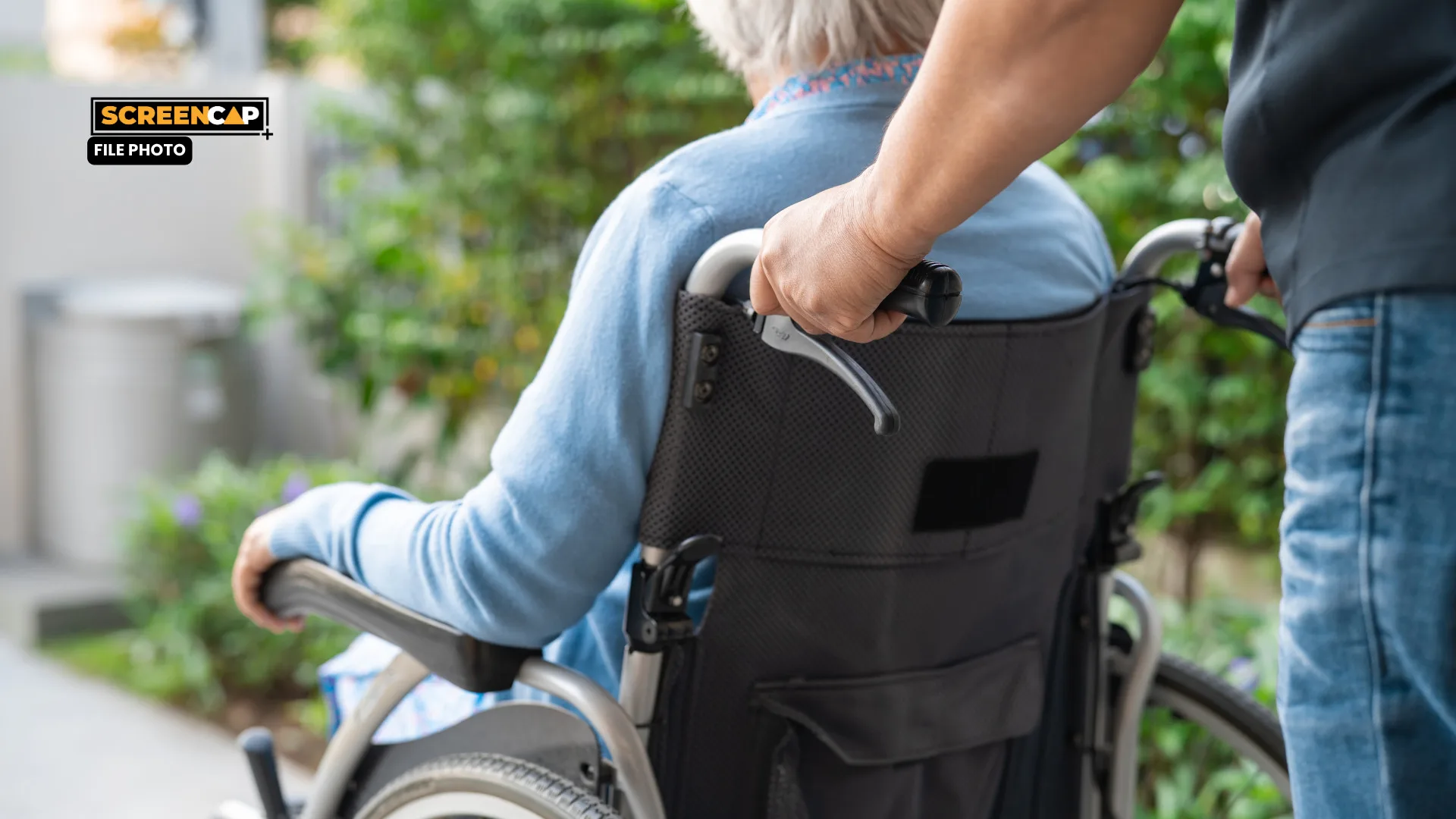
In the heart of many Filipino communities, the traditional image of aging involves a house filled with grandchildren, warm meals, and the revered presence of elders supported by extended families. Yet, across urban streets and rural towns, economic hardship is quietly eroding this long-standing social contract. For an increasing number of indigent elderly citizens, old age no longer guarantees familial care, but rather the grim reality of homelessness and abandonment.
To bridge this growing gap in the national social safety net, Quezon City 5th District Representative Patrick Michael Vargas has introduced House Bill No. 2273, titled the “Homes for Abandoned Seniors Act.” The legislative proposal mandates the creation of state-funded, fully operational nursing homes in every city and municipality across the Philippines, establishing an institutional safety net where traditional family structures fail.
The proposed law outlines a shared governance framework to ensure nationwide implementation. Local Government Units (LGUs) will be tasked with allocating land and constructing the facilities, while the Department of Social Welfare and Development (DSWD) will assume full responsibility for operational management, professional staffing and daily residential care.
“Habang ipinagdiriwang natin ang pamilya, huwag nating kalimutan ang ating mga lolo’t lola na walang matuluyan o naiwan dahil sa matinding hirap,” Vargas said, pointing to the socio-economic pressures confronting poor families. “Kapag hindi na kaya ng pamilya, ang pamahalaan ang dapat nilang maaasahan.”
The reality facing elderly advocacy groups across the country is stark. While existing government interventions provide monthly social pensions and community-based relief, financial stipends alone cannot resolve severe shelter deficits or complete physical neglect. At present, institutional residential care facilities for abandoned seniors remain scarce, operated predominantly by private charitable organizations or religious orders with limited capacities concentrated mostly in major metropolitan centers.
“Hindi sapat ang buwanang ayuda kung wala namang ligtas na tirahan ang ating mga senior citizens kapag sila ay napabayaan,” Vargas stressed. “Dapat mayroong permanenteng pasilidad sa bawat LGU kung saan sila aalagaan at itatrato nang may dignidad.”
Under the proposed measure, the municipal and city care homes will extend holistic support beyond basic shelter. Residents will receive nutritious meals, regular medical consultations, specialized healthcare monitoring, mental health counseling, literacy initiatives, and productivity activities designed to maintain emotional well-being. Furthermore, the facilities will integrate social work programs focused on active family outreach, seeking reconciliation between abandoned elders and their relatives whenever viable.
By seeking to transform eldercare from a private family burden into a guaranteed public service, the measure highlights a necessary evolution in national social policy. Guaranteeing secure shelter and dignified care for every aging Filipino is not merely a social service initiative, but a long-overdue expression of national gratitude to the generation whose labor built the country.