
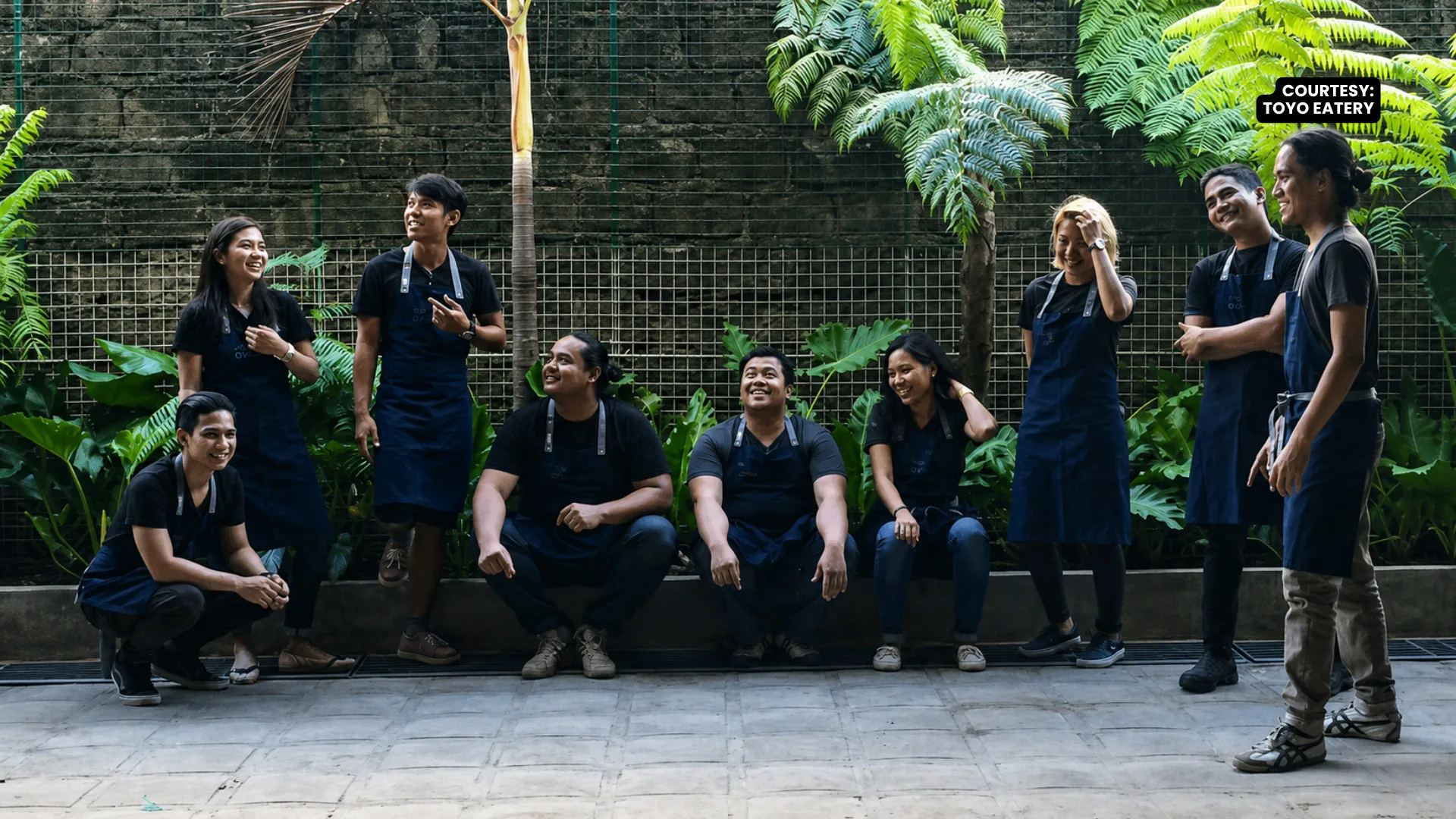
Long before a plate reaches the table of a celebrated restaurant, someone has spent hours preparing it.
There are vegetables to clean, stocks to simmer, meat to butcher, sauces to perfect and dining rooms to prepare. Behind every carefully composed dish are cooks, servers and other workers whose names diners may never know.

They are the largely unseen workforce behind an industry built on hospitality.
That reality has come into sharper focus following allegations by former employees of Toyo Eatery, one of the Philippines’ most internationally recognized restaurants.
The controversy has raised questions about working hours, overtime compensation and workplace conditions. But beyond the dispute involving a single restaurant lies a broader and more difficult conversation for the Philippine food industry: What does it take from workers to produce the dining experiences customers celebrate?

From national pride to public scrutiny
Toyo Eatery has become one of the most prominent names in Philippine dining.
Founded by chef Jordy Navarra and his wife May, the restaurant built its reputation by transforming Filipino ingredients, traditions and culinary ideas into a dining experience recognized internationally.

It was named the Best Restaurant in the Philippines by Asia’s 50 Best Restaurants for five consecutive years and received the Sustainable Restaurant Award in 2023 and the Gin Mare Art of Hospitality Award in 2025.
In October 2025, Toyo Eatery received a Michelin star during the Michelin Guide’s first selection in the Philippines.
For many Filipino food enthusiasts, the recognition was bigger than one restaurant, representing the growing international stature of Filipino cuisine and years of work by chefs, farmers, producers, servers and other food industry professionals seeking to bring local culinary traditions to a global audience.
