
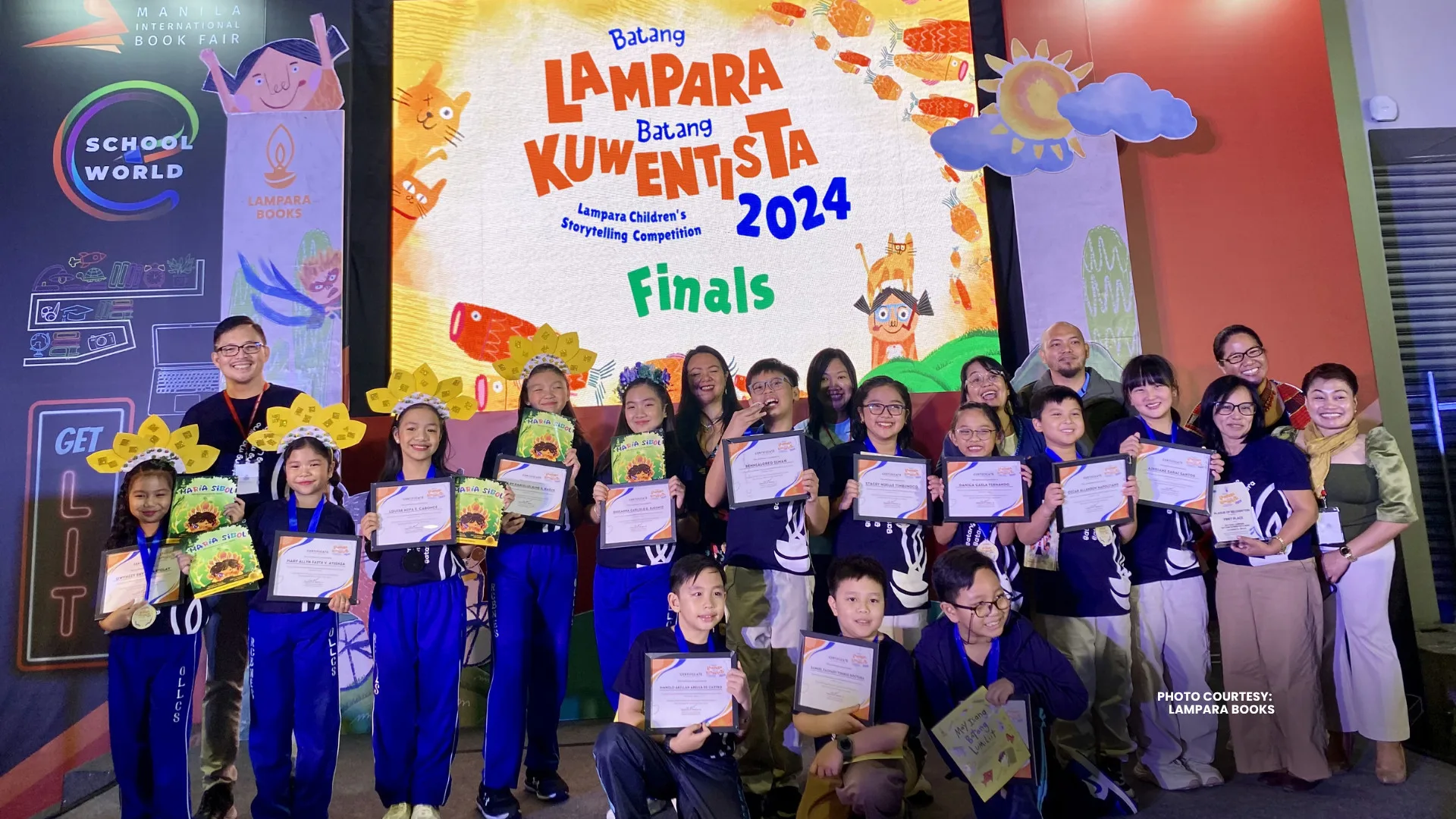
A movement is slowly and subtly unfolding in classrooms and homes across the Philippines driven by children discovering the power of books and learning how to tell stories in their own voice.
This is the idea behind Batang Lampara, Batang Kuwentista 2026, a nationwide storytelling competition for Grades 1 to 6 students that aims to strengthen reading culture and creative expression among young Filipinos.
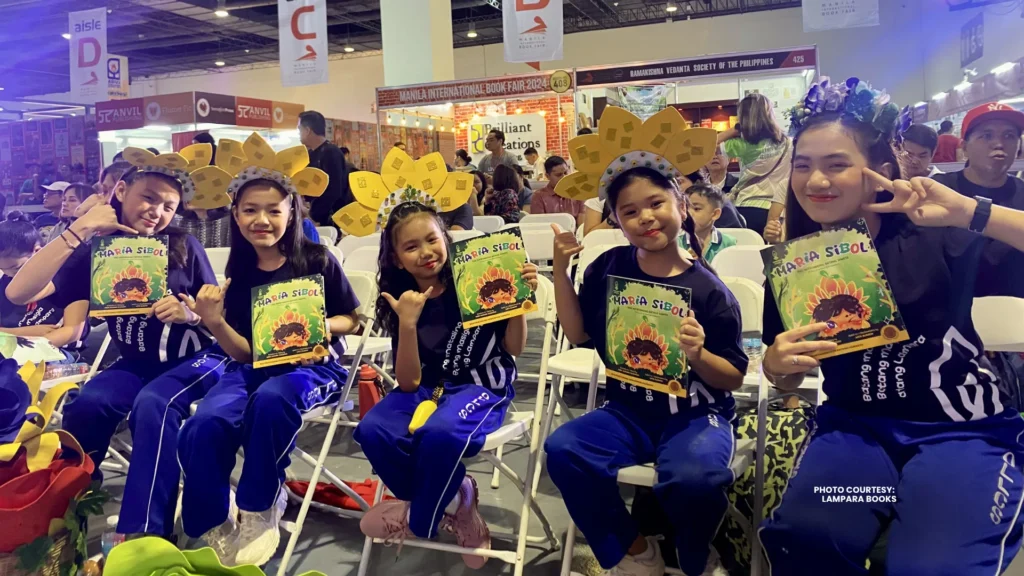
Organized by Lampara Books, the program goes beyond competition. It provides a platform where children are encouraged to engage with Filipino children’s literature, interpret stories, and retell them in ways that reflect their own imagination and understanding.
For many participants, storytelling becomes an early exercise in confidence and communication.
“Every human life is a story,” said Lampara Books founder and CEO Segundo D. Matias Jr. He said children learn through books how to understand themselves, relate experiences, and respond to challenges they encounter.
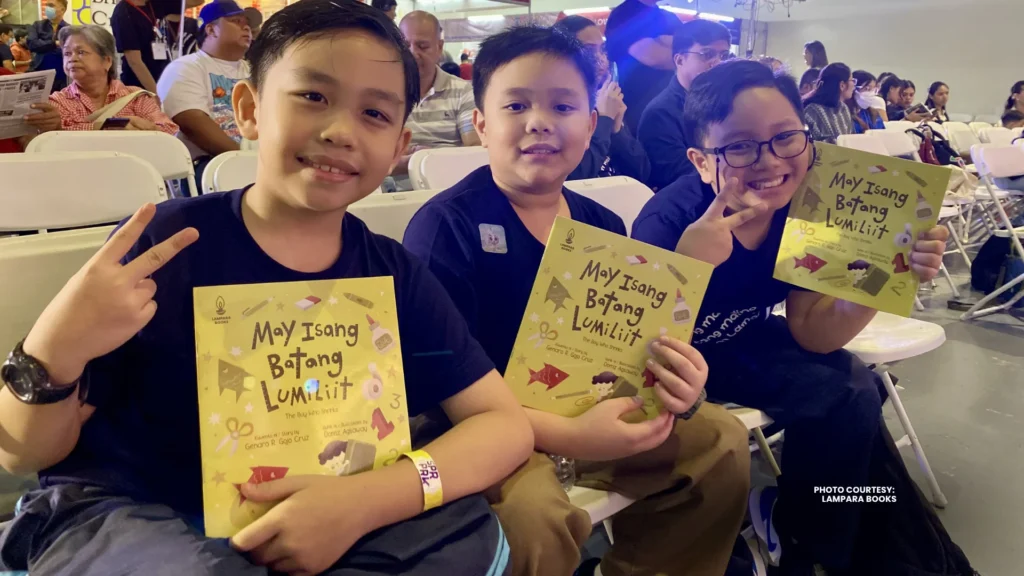
The program highlights skills that extend beyond reading comprehension. These include empathy, critical thinking, and self-expression developed through storytelling.
Organizers noted the growing challenge of sustaining reading habits among children in a digital-first environment shaped by algorithm-driven content.
Matias said the initiative is part of a broader effort to make reading more engaging and accessible. He stressed that reading should be experienced as something enjoyable rather than a requirement.

“We want children to see reading not as a requirement but as an enjoyable and life-changing experience,” he said.
The 2026 edition will be conducted through virtual presentations, allowing students from across the country to participate regardless of location.
The competition is open to Filipino students in Grades 1 to 6 nationwide. Participation is free, ensuring that access is not limited by geography or financial constraints.
At its core, Batang Lampara, Batang Kuwentista 2026 serves as a platform for nurturing imagination and promoting Filipino children’s literature.
It encourages children not only to read but to interpret stories and reshape them through their own perspective. In doing so, reading becomes an active creative process.
The program reflects a simple principle. Every child has a story, and books can help bring that story forward.