
The Philippine banking system remains strong enough to withstand economic shocks despite rising risks from geopolitical tensions, corporate debt exposure, and growing household borrowing, the Financial Stability Coordination Council (FSCC) said.
The FSCC said banks continue to hold adequate capital and liquidity buffers, allowing them to absorb potential stress while sustaining lending to businesses and households.
Still, the council warned that domestic and external developments must be closely monitored as financial conditions become more challenging.
Among the major risks flagged by the FSCC is the continuing conflict in the Middle East, which could drive global oil prices higher if it drags on. A prolonged war could also weaken investor confidence, tighten financial conditions, and slow both global and domestic growth.
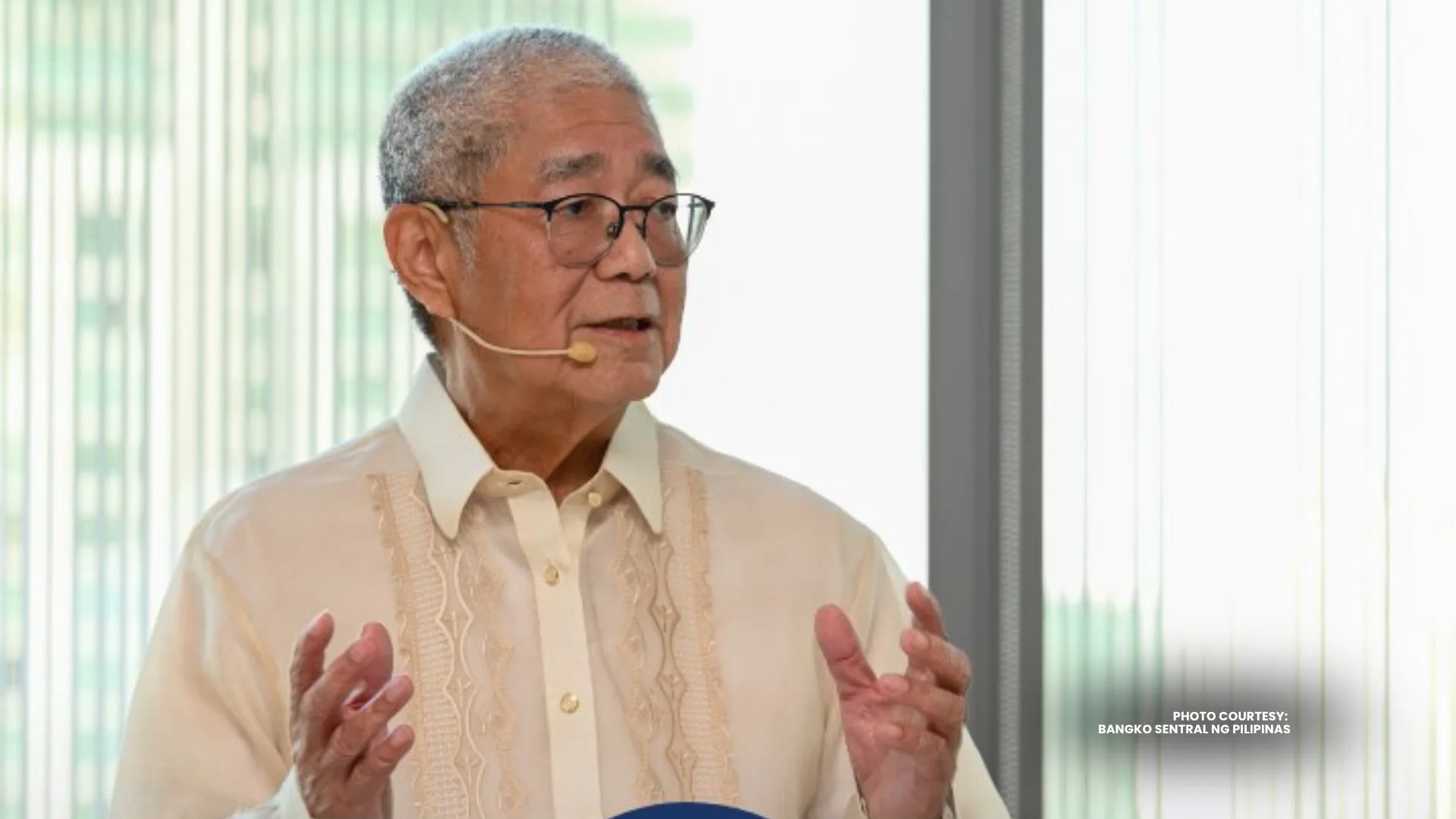
“Geopolitical risks remain a key source of uncertainty. We are watching global developments closely to spot and address potential systemic risks,” said Bangko Sentral ng Pilipinas (BSP) Governor and FSCC Chairman Eli Remolona Jr.
The council also cited vulnerabilities in corporate debt, particularly among firms exposed to energy costs and interest-rate movements. Higher fuel prices and financing costs could make it harder for companies to service loans, squeeze profit margins, and affect the quality of bank assets.
Rising bond yields were also identified as a pressure point, as they could lead to valuation losses on banks’ securities holdings. If market stress persists, these losses could affect capital buffers.
Household debt is another area under close watch, with the FSCC saying regulators must track whether borrowers can continue meeting loan payments as borrowing costs rise.
“We see pockets of vulnerability in energy- and interest-rate-sensitive sectors and in valuation pressures from higher bond yields. Nonetheless, the financial system remains on solid footing,” Remolona said.
He said banks remain well positioned to absorb shocks and continue providing credit to the economy.
The FSCC said it is also strengthening oversight of non-bank financial institutions, including quasi-banks, investment houses, non-stock savings and loan associations, pawnshops, and trust corporations.
The council said closer monitoring of these institutions will help regulators better understand risks and linkages across the broader financial system.
The FSCC is composed of the BSP, Department of Finance, Securities and Exchange Commission, Insurance Commission, and Philippine Deposit Insurance Corporation.