
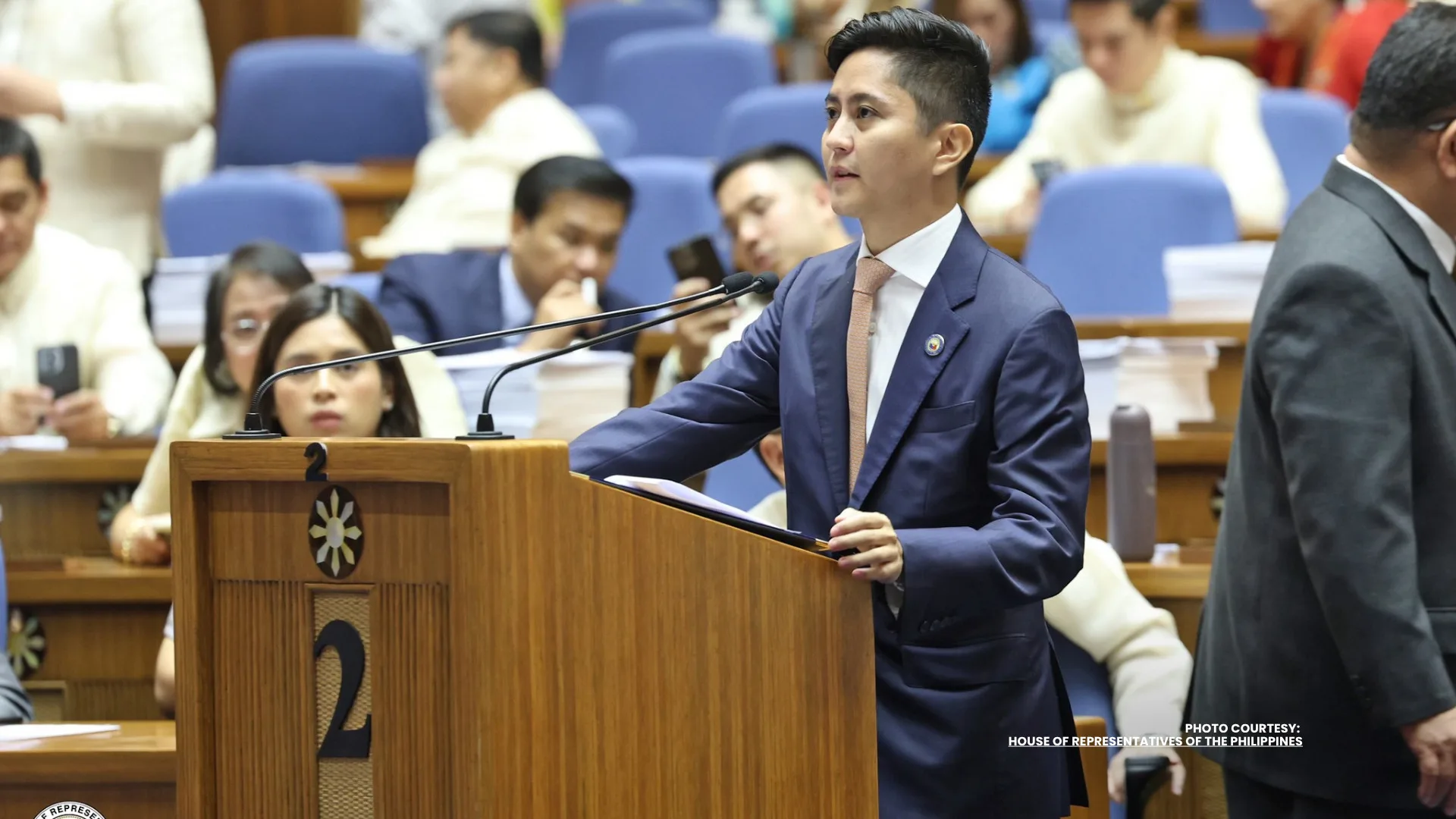
The House of Representatives has approved on second reading a bill seeking to waive licensure and Civil Service examination fees for qualified indigents and members of indigenous peoples and indigenous cultural communities.
House Bill No. 8869, or the proposed Free Professional Examinations Act, aims to remove financial barriers that prevent poor but deserving Filipinos from becoming licensed professionals or entering government service.
The measure covers written examination fees for licensure tests administered by the Professional Regulation Commission and eligibility examinations conducted by the Civil Service Commission.
Qualified beneficiaries will be required to present either a certificate of indigency from their local government unit or a certification from the National Commission on Indigenous Peoples.
The benefit may be availed of once a year.
House Majority Leader Ferdinand Alexander “Sandro” Marcos said the bill would give more Filipinos a fair chance to pursue professional careers and government employment despite financial hardship.
“For many poor Filipinos, the problem is not lack of talent or determination. The problem is that even examination fees can already be too expensive,” Marcos said.
“This bill gives them a genuine opportunity to become licensed professionals, enter government service, and build better futures for themselves and their families,” he added.
The proposal is backed by the leadership of Speaker Faustino “Bojie” Dy III and Marcos as part of the House’s broader effort to expand access to economic opportunities and government services, especially for disadvantaged sectors.
Marcos said the measure is particularly important for Filipinos from remote and underserved communities who may already struggle with the cost of education, transportation, and documentation.
“Education and professional advancement should not be reserved only for those who can afford expensive fees and repeated expenses,” he said.
“When we help more Filipinos become professionals and civil servants, we also strengthen our workforce, improve public service, and create more opportunities for inclusive national development,” he added.
The bill also mandates the Department of Social Welfare and Development, PRC, CSC, NCIP, and Philippine Information Agency to conduct annual information campaigns to ensure that qualified beneficiaries are informed about the program.