
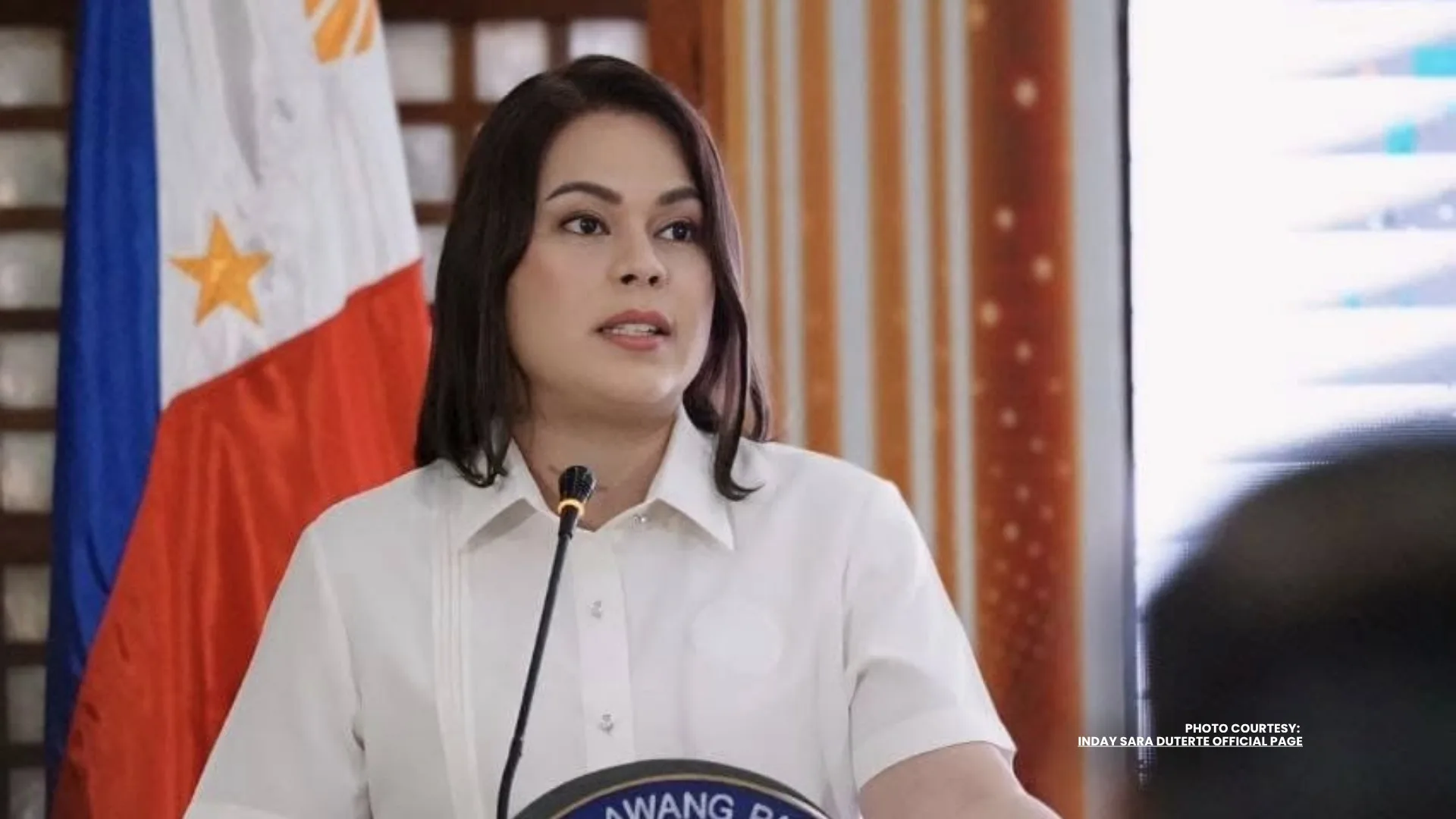
The fourth article in the impeachment complaint against Vice President Sara Duterte accused her of culpable violation of the Constitution, high crimes, and betrayal of public trust over alleged threats against President Ferdinand Marcos Jr., First Lady Liza Araneta-Marcos, and former House Speaker Ferdinand Martin Romualdez.
The impeachment article urged the Senate, sitting as an impeachment court, to convict Duterte, remove her from office, permanently bar her from holding public office, and hold her liable for possible criminal prosecution under existing laws.
Central to the complaint was Duterte’s online media briefing on Nov. 23, 2024, where she publicly claimed she had instructed a person to kill Marcos, Araneta-Marcos, and Romualdez if she herself were killed.
The impeachment article described the remarks as a serious breach of constitutional responsibility and a dangerous act that allegedly threatened national stability and public order.
According to the complaint, Duterte later repeated and confirmed the statements during a November 26, 2024 interview, where she acknowledged speaking to someone about carrying out retaliation in the event of her death.
The article argued that Duterte’s own public admissions already established probable cause regarding the alleged assassination plot, adding that she never withdrew or denied her remarks.
It further stated that even if the alleged threat was conditional on her death, such a condition did not erase the supposed unlawful agreement or solicitation described in her statements.
The impeachment complaint also accused Duterte of grave threats, saying her statements constituted a punishable offense under the Revised Penal Code.
Lawmakers additionally cited earlier remarks allegedly made by Duterte in October 2024, including statements expressing violent thoughts toward the President and threats involving the remains of former President Ferdinand Marcos Sr..
The article noted that the National Bureau of Investigation (NBI) later filed three counts of grave threats against Duterte in connection with the remarks.
Beyond the alleged threats, the impeachment article accused Duterte of political destabilization and inciting to sedition.
The complaint cited several actions and public statements by Duterte and members of her family, which lawmakers claimed reflected a pattern of conduct aimed at undermining the Marcos administration and encouraging unrest.
Among those cited were speeches by Duterte’s brother referencing the fall of political regimes, her resignation as Education secretary, her absence from the State of the Nation Address while declaring herself a “designated survivor,” and her repeated criticisms of the President’s leadership.
The article also referenced a speech allegedly made by Duterte’s brother in April 2026 stating they “only needed one head, the head of President Marcos,” as well as Duterte’s participation in rallies questioning the legitimacy of the administration.
Lawmakers argued that these acts and statements amounted to inciting to sedition and promoting the removal of the President through unlawful means.
The impeachment article also linked Duterte’s alleged actions to claims contained in the supplemental affidavit of former Office of the Vice President staff member Ramil Madriaga, which allegedly mentioned “extraordinary measures” including assassination plots, civil disobedience, and armed attacks on Malacañang aimed at securing Duterte’s rise to power before 2028.
According to the complaint, Duterte’s alleged actions endangered democratic institutions, undermined public accountability, and eroded trust in government.
The impeachment prosecutors also argued that the accusations involving threats, confidential funds, alleged corruption, and SALN issues formed part of a broader pattern of behavior inconsistent with the duties of the Vice Presidency.
They added that additional witnesses, financial documents, and bank records involving Duterte and her spouse may still be presented as part of the impeachment proceedings.