
Tensions between the United States and Iran took a sharper turn as US President Donald Trump signaled he may authorize renewed military action, even as both sides continue to exchange proposals aimed at ending the conflict.
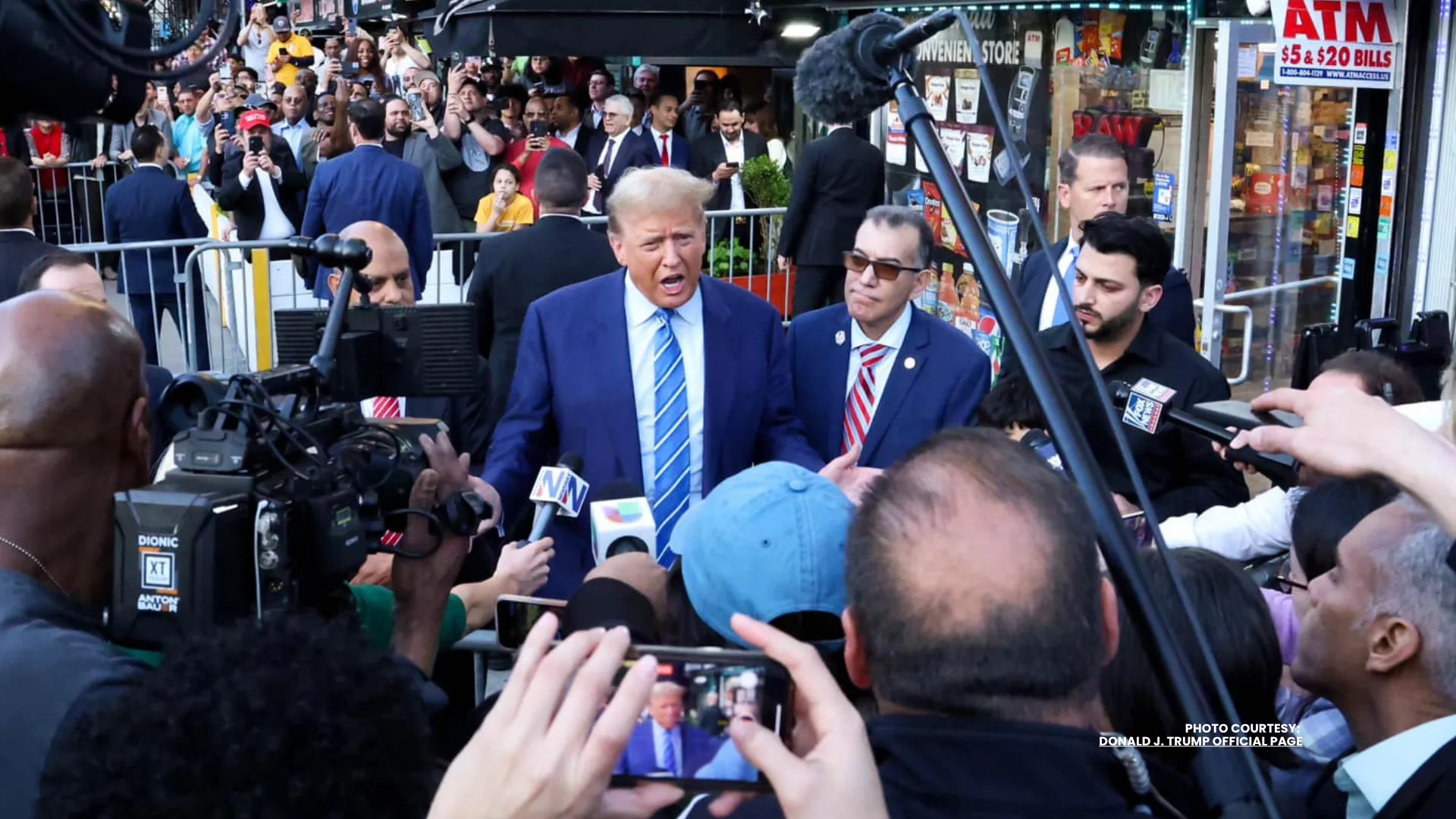
Speaking to reporters on Saturday, Trump said fresh strikes remain “a possibility” if Iran “misbehaves,” underscoring the uneasy mix of diplomacy and deterrence shaping Washington’s current approach. His remarks came amid ongoing backchannel efforts to craft a framework agreement that could de-escalate hostilities and stabilize key flashpoints in the region.
At the center of the latest developments is a revised proposal from Iran, reportedly outlining a phased path toward ending the war and reopening the strategically vital Strait of Hormuz. The plan includes a one-month window to negotiate terms for lifting a US naval blockade and halting military operations, followed by a second phase of talks focused on Tehran’s nuclear program.
However, early signals from Washington suggest skepticism. Trump acknowledged reviewing the proposal but hinted it may fall short of US expectations, saying he “can’t imagine that it would be acceptable” in its current form. He also reiterated long-standing criticisms of Iran’s actions, suggesting that any agreement would require stronger concessions.
Behind the scenes, military preparations appear to be moving in parallel with diplomatic efforts. Trump was recently briefed by Brad Cooper, head of US Central Command, on updated strike options. Cooper has since traveled to the region, meeting American forces aboard the USS Tripoli in the Arabian Sea, an indication that contingency plans remain active.
The dual-track strategy of pursuing negotiations while maintaining the threat of force, reflects the fragile state of the talks. While both sides have shown willingness to engage, deep divisions persist over sequencing, conditions, and the scope of any long-term agreement.
For now, the path forward remains uncertain. With deadlines proposed, military assets positioned, and rhetoric intensifying, the coming days could prove vital in determining whether diplomacy prevails or tensions spiral back toward open conflict.