
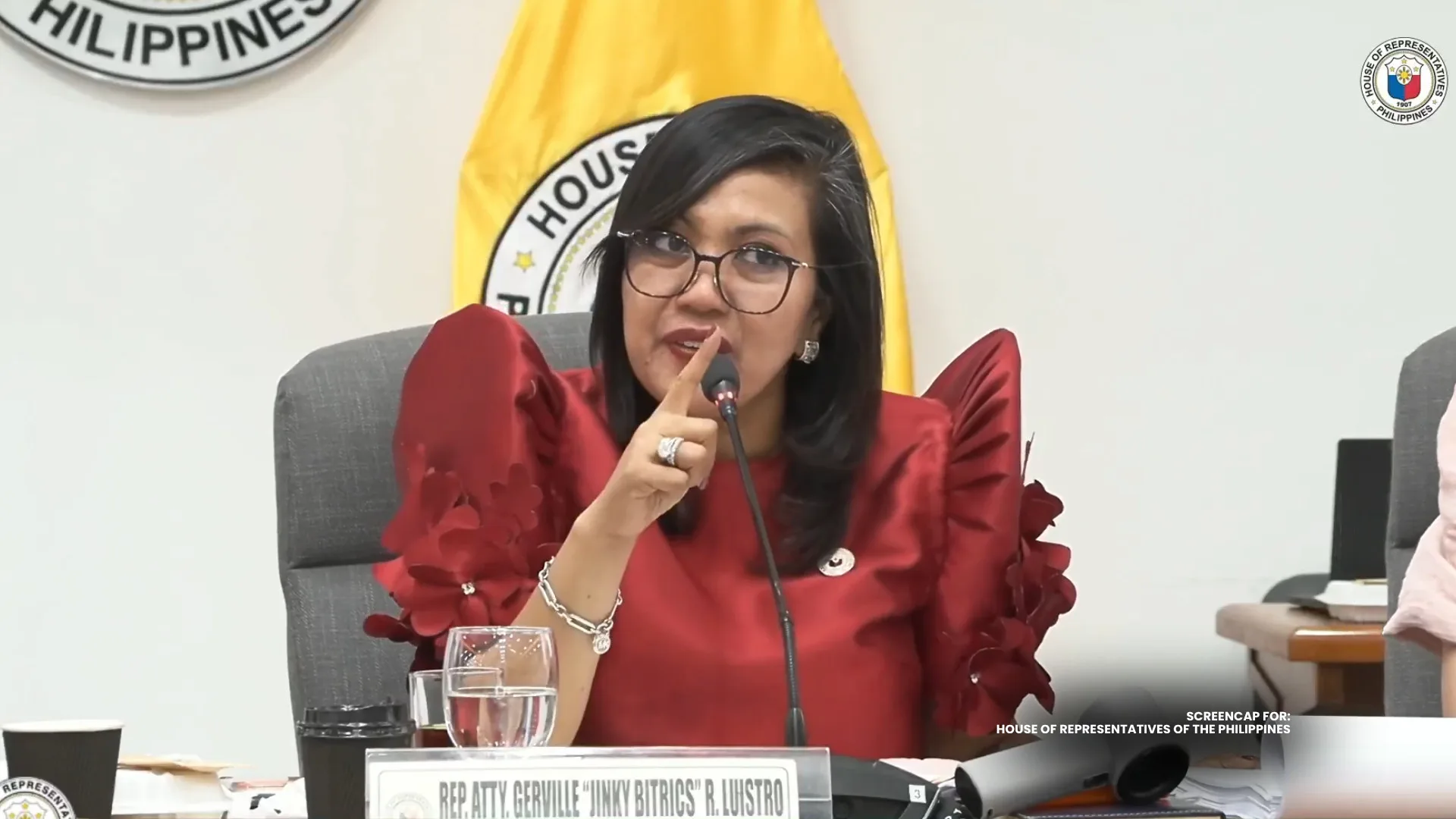
Batangas 2nd District Rep. Gerville Luistro said the latest complaint reportedly filed by the camp of Vice President Sara Duterte appears to question the subpoena process used by the House Committee on Justice, rather than the contents of the Anti-Money Laundering Council (AMLC) report.
Luistro, who chairs the committee, made the remark as the panel resumed hearings following an earlier session that featured presentations from the Ombudsman, AMLC, Securities and Exchange Commission, and Bureau of Internal Revenue.
During that hearing, lawmakers placed on record about P6.7 billion in covered and suspicious transactions allegedly linked to Duterte and her associates.
Luistro said the committee has yet to receive an official copy of the complaint but is prepared to respond.
“Bagama’t wala pa tayong natatanggap na opisyal na kopya, handa tayong harapin ito,” she said.
Based on available information, she said the complaint focuses on the issuance of subpoenas and the process by which the AMLC report was obtained.
“Ang tinutumbok ng reklamo ay ang subpoena at ang proseso ng paglabas ng AMLC report, hindi ang nilalaman nito,” Luistro said.
She noted that this distinction is significant, as it does not directly dispute the financial transactions already presented before the panel.
“Klaro na hindi tinatanggi ang mga bilyones na nabanggit sa AMLC report,” she added.
Luistro also rejected arguments invoking bank secrecy laws, saying these cannot override constitutional requirements for accountability in impeachment proceedings.
She emphasized that public officials are accountable to the people, and that the committee has the authority to issue subpoenas in aid of its legislative and impeachment functions.
She added that bank secrecy laws are meant to protect legitimate deposits, not to shield unexplained or suspicious financial activity.
Luistro also defended the AMLC’s role, noting that its mandate includes identifying and reporting suspicious transactions to proper authorities.
“If there is nothing to hide, there is no reason to obstruct,” she said, stressing that transparency remains the strongest response to allegations.
She also pointed out that previous attempts to challenge the committee’s subpoena powers before the Supreme Court did not result in a restraining order, allowing the panel’s work to proceed.