
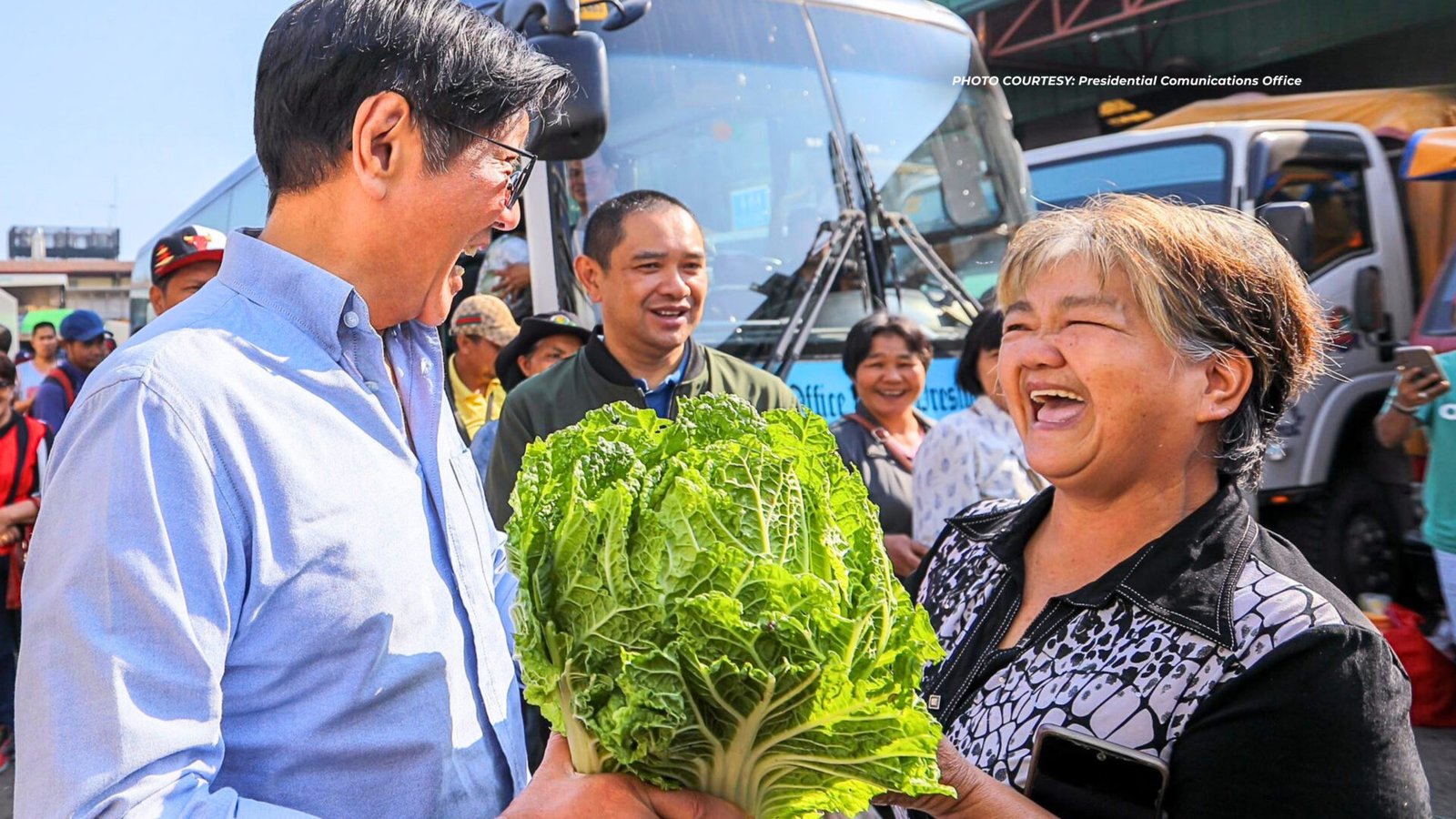
President Ferdinand Marcos Jr. joined a food distribution activity under the government’s anti-hunger initiative in Samar, as Malacañang highlighted efforts to ensure vulnerable families have access to affordable and nutritious food.
In a social media post, Marcos said he visited a Walang Gutom Program (WGP) distribution in Pinabacdao, Samar, where he observed how beneficiaries access food assistance through electronic benefit transfers (EBTs).
“On the ground: making sure every family can put nutritious food on the table, especially in times of calamity,” Marcos said, noting the program aims to make assistance faster and more accessible during crises.
According to the Department of Social Welfare and Development (DSWD), Marcos was accompanied by Social Welfare Secretary Rex Gatchalian during the April 26 visit. A total of 129 beneficiaries were able to purchase food items using monthly credits provided under the program.
The WGP provides selected low-income households with P3,000 worth of monthly food credits loaded onto EBT cards, which can be used to buy nutritious goods from accredited merchants.
Officials said the program is designed not only to address hunger but also to improve nutrition, particularly among children, by promoting access to balanced meals.
Beyond food assistance, beneficiaries also participate in “Kalusugan, Kakayahan, at Kabuhayan” sessions, which provide lessons on nutrition, livelihood skills, and productivity. These were previously known as Nutrition Education and Productivity Enhancement Sessions.
The DSWD also coordinates with the Technical Education and Skills Development Authority for skills training and with the Department of Labor and Employment to connect beneficiaries to job opportunities.
Around 600,000 households are currently enrolled in the program, with the government aiming to expand coverage to 750,000 food-poor families by 2028.
Officials said the initiative remains a key component of the administration’s anti-hunger strategy, particularly in reaching remote and disaster-prone communities.