
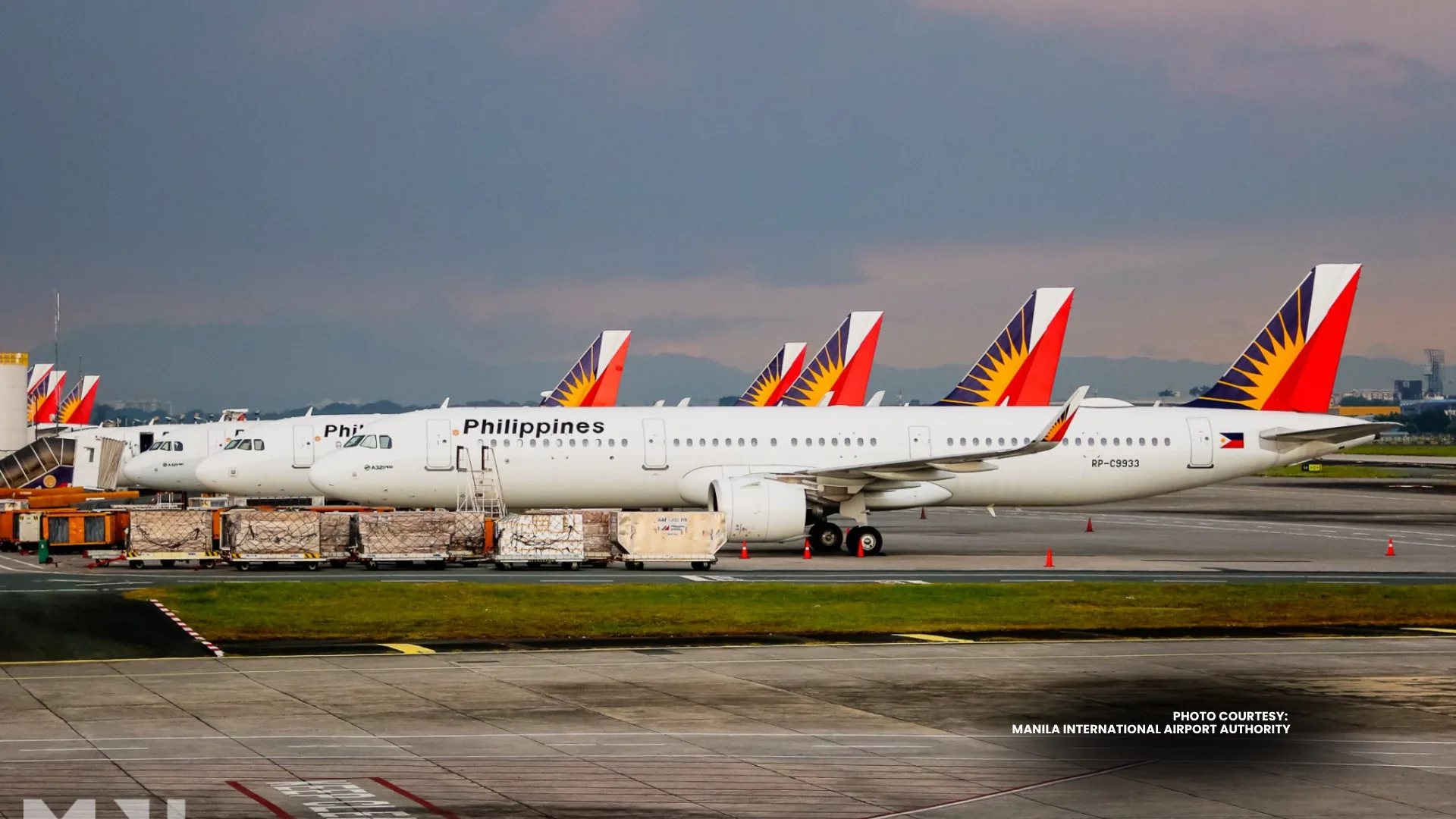
Philippine Airlines (PAL) reported higher profitability in the first quarter of 2026, driven by steady passenger demand, stronger cargo performance, and increased ancillary revenues despite emerging global headwinds.
The Lucio Tan-led flag carrier said net income rose 2.6 percent to $78.77 million in the January–March period. Total revenues increased 9.7 percent to $895.70 million, reflecting sustained travel demand.
PAL said its performance was anchored on “sustained passenger demand, stronger cargo yields, and continued growth in ancillary revenues.”
Passenger revenues grew 8.7 percent to $759.65 million, supported by a 6.1-percent increase in passenger volume to 4.30 million. The airline attributed the growth to post-holiday travel and continued resilience across its network.
Capacity expansion kept pace with demand, with available seat kilometers (ASKs) up 7.2 percent and flight frequency rising 8.4 percent year-on-year.
Cargo operations provided a significant boost, with revenues jumping 22.5 percent to $43.21 million. PAL cited improved yields amid constrained global airfreight capacity, particularly on routes affected by disruptions in the Middle East.
Ancillary revenues rose 11.2 percent to $83.56 million, reflecting increased uptake of add-on services and personalized travel options.
PAL posted an operating profit of $101.85 million, as revenue growth outpaced expenses. Total operating costs rose 7.1 percent to $793.85 million, largely due to higher flight activity and fuel-related pressures.
Flying operations, the airline’s largest expense category, increased 9.2 percent to $447.08 million. PAL attributed this to expanded operations, late-quarter fuel price volatility linked to Middle East tensions, and higher depreciation and amortization from fleet expansion.
Despite these pressures, the airline reported strong operating cash flow, allowing it to fund capital expenditures, meet debt obligations, and maintain liquidity buffers while continuing investments in fleet and passenger experience.
“Our first quarter results reflect both the strength of demand for Philippine travel and the disciplined execution of our team,” PAL president Richard Nuttall said.
He added that the results only partially reflect the impact of escalating geopolitical tensions in the Middle East late in the quarter, which have affected fuel prices and disrupted parts of the global aviation network.
“We are actively managing our network and costs to protect margins and liquidity,” Nuttall said. “While near-term headwinds remain, we are confident in the strength of our fundamentals and are taking prudent steps to sustain our momentum.”
PAL said it remains focused on balancing growth with cost discipline as it navigates continued volatility in global aviation markets.