
The Luzon Economic Corridor (LEC) is gaining momentum, with increased backing from the private sector and key international partners, according to the Department of Finance (DOF).
Finance Secretary Frederick Go said the government remains committed to advancing infrastructure and investment projects under the initiative, which aims to improve connectivity and generate jobs across Luzon.
“We are encouraged by this growing momentum and remain committed to advancing concrete initiatives that will strengthen connectivity, attract high-quality investments, and create jobs across the region,” Go said.
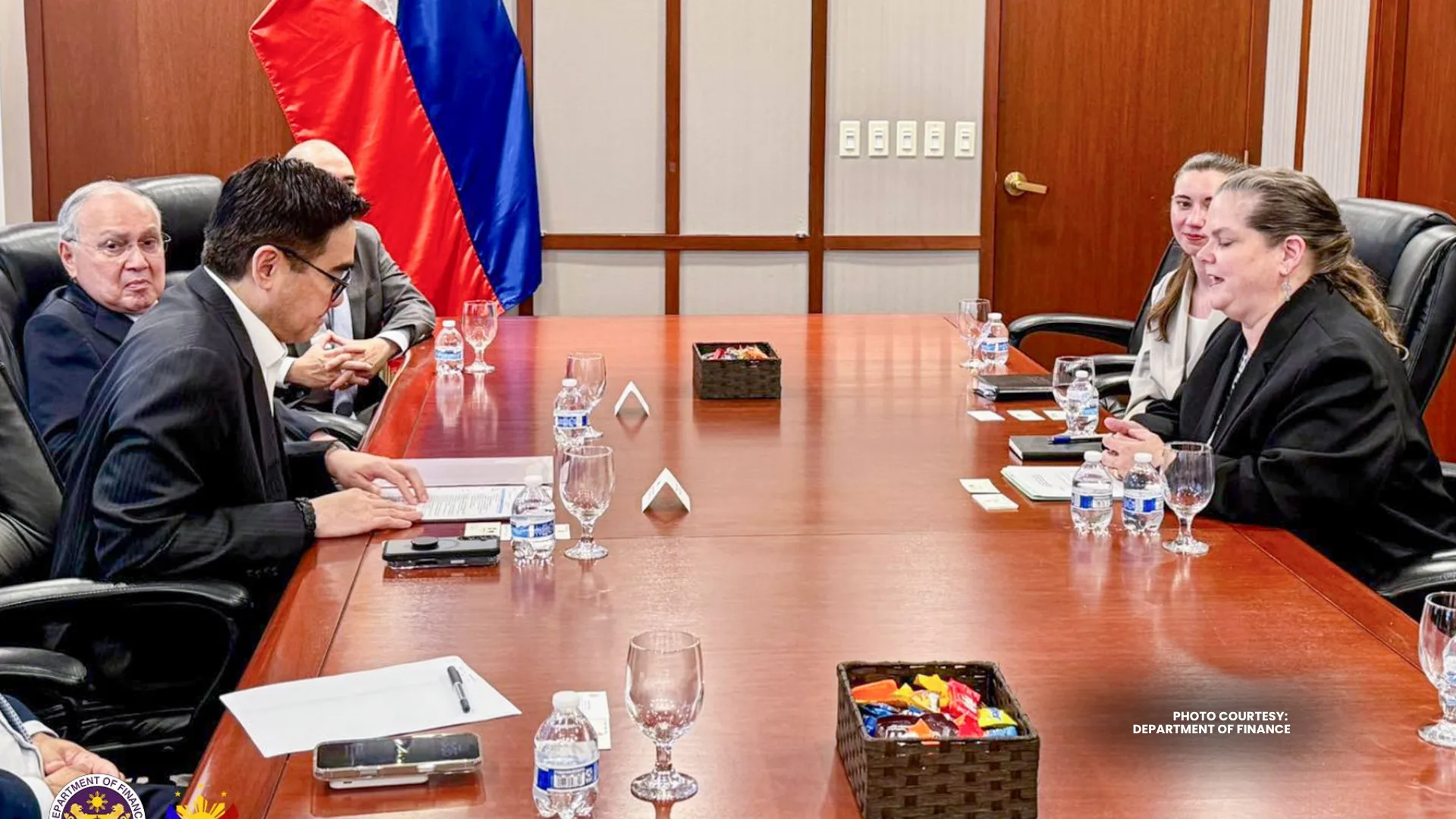
Go recently met with Heather Variava in Washington, D.C., to discuss progress on the LEC, a trilateral initiative involving the Philippines, the United States, and Japan. The program focuses on infrastructure, energy, logistics, and industrial development across key economic zones in Luzon.
Variava reaffirmed Washington’s support for the initiative, emphasizing the need for continued coordination among the three partners to sustain progress.
A fourth Steering Committee meeting is scheduled in Manila in May, bringing together senior officials from the three countries to review developments since the corridor’s launch in 2024 and align next steps.
Officials from the United States and Japan are also expected to visit key project sites in Luzon to coordinate with Philippine counterparts.
Go said these engagements are expected to accelerate the rollout of priority investments, particularly in infrastructure, energy, logistics, and industrial development.
Support for the corridor has also been reinforced through new funding commitments. In 2025, the United States provided a $3.8-million technical assistance grant through the U.S. Trade and Development Agency for the Subic-Clark-Manila-Batangas Railway, the flagship project of the LEC.
The U.S. Department of State, in coordination with Congress, also allocated $15 million to help spur private sector participation in corridor-related projects.
Launched in April 2024 under the G7 Partnership for Global Infrastructure and Investment, the LEC aims to strengthen transport and trade links among Subic Bay, Clark, Manila, and Batangas.
The program prioritizes projects such as rail connectivity, port modernization, clean energy, semiconductor supply chains, agribusiness development, and upgrades to civilian port facilities.