
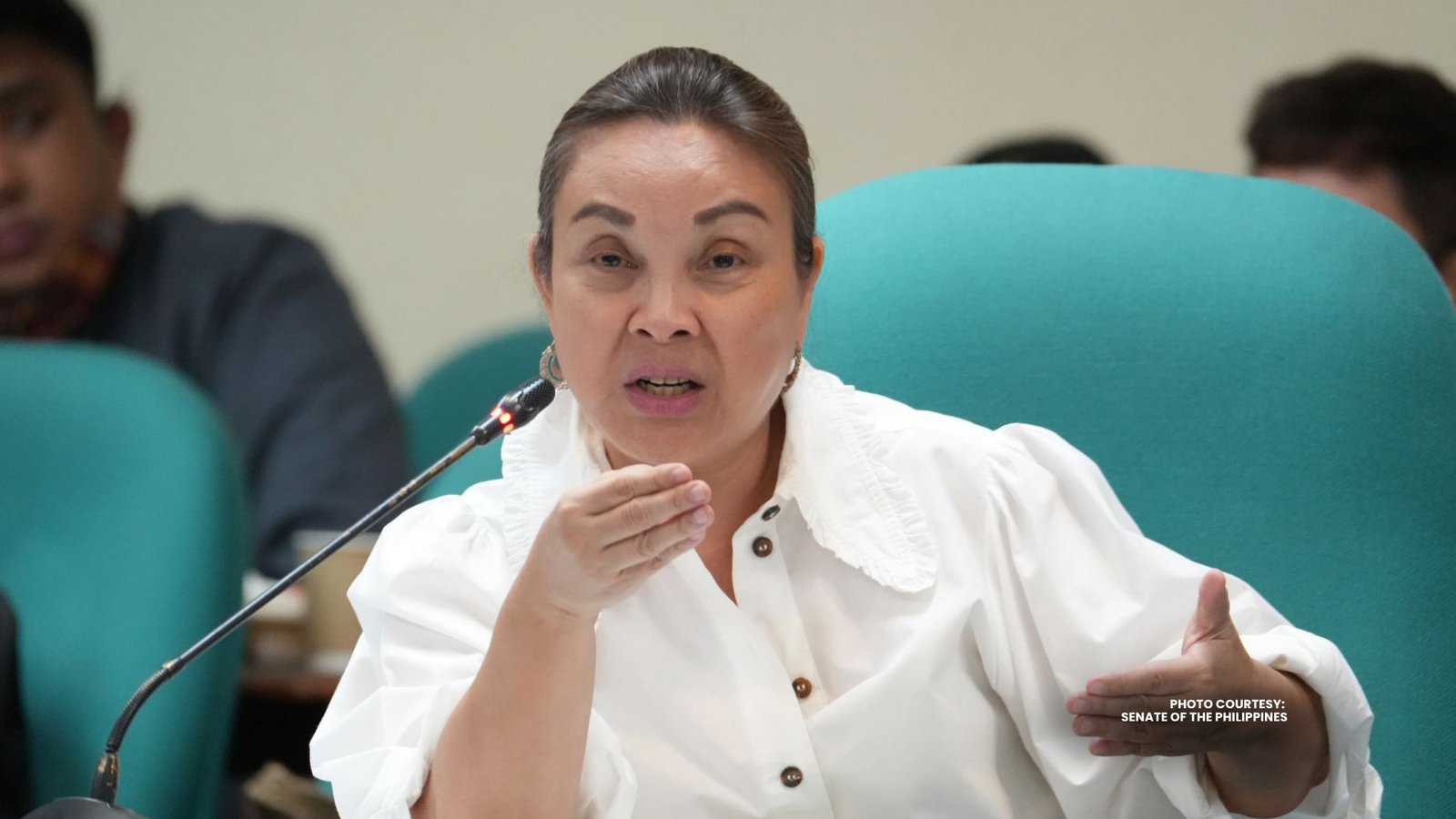
Sen. Loren Legarda is advancing a sweeping set of reforms aimed at overhauling governance, improving quality standards, and expanding access to scholarships in the country’s higher and technical education sectors.
As chair of the Senate Committee on Higher, Technical and Vocational Education and co-chair of the Second Congressional Commission on Education (EDCOM II), Legarda recently presided over a public hearing tackling six priority measures designed to modernize key institutions and address long-standing structural gaps.
Among the proposals are amendments to strengthen the mandates of the Commission on Higher Education (CHED) and the Technical Education and Skills Development Authority (TESDA), both established more than 30 years ago. Legarda said their existing charters no longer reflect the evolving demands of the education sector.
“The fundamental problem is institutional,” she said, pointing out that current legal frameworks have failed to keep pace with the growth and diversification of higher education.
The reform package also includes measures to improve governance in state universities and colleges (SUCs) and local universities and colleges (LUCs), introduce performance-based autonomy, and require certification for members of governing boards. A proposed Philippine Higher Education Leadership Academy is also being considered to strengthen leadership development and succession planning.
Findings presented by EDCOM II highlighted persistent inequalities, particularly in LUCs, where limited funding in poorer local government units has resulted in disparities in faculty salaries and difficulties in hiring qualified educators. These gaps, the commission noted, contribute to uneven education quality across regions.
For TESDA, the modernization effort seeks to restructure its leadership, expand its role in enterprise-based and community skills training, and require regular impact assessments of scholarship programs.
Another proposed measure aims to harmonize overlapping functions among CHED, TESDA, and the Professional Regulation Commission (PRC), addressing outdated professional laws that have slowed curriculum updates and innovation.
Legarda said the Senate panel will continue refining the proposals through technical working groups, focusing on strengthening governance, ensuring accountability, and widening access to education.
She emphasized that meaningful reform in education is key to national development, particularly in providing students from disadvantaged backgrounds with better opportunities to succeed.