
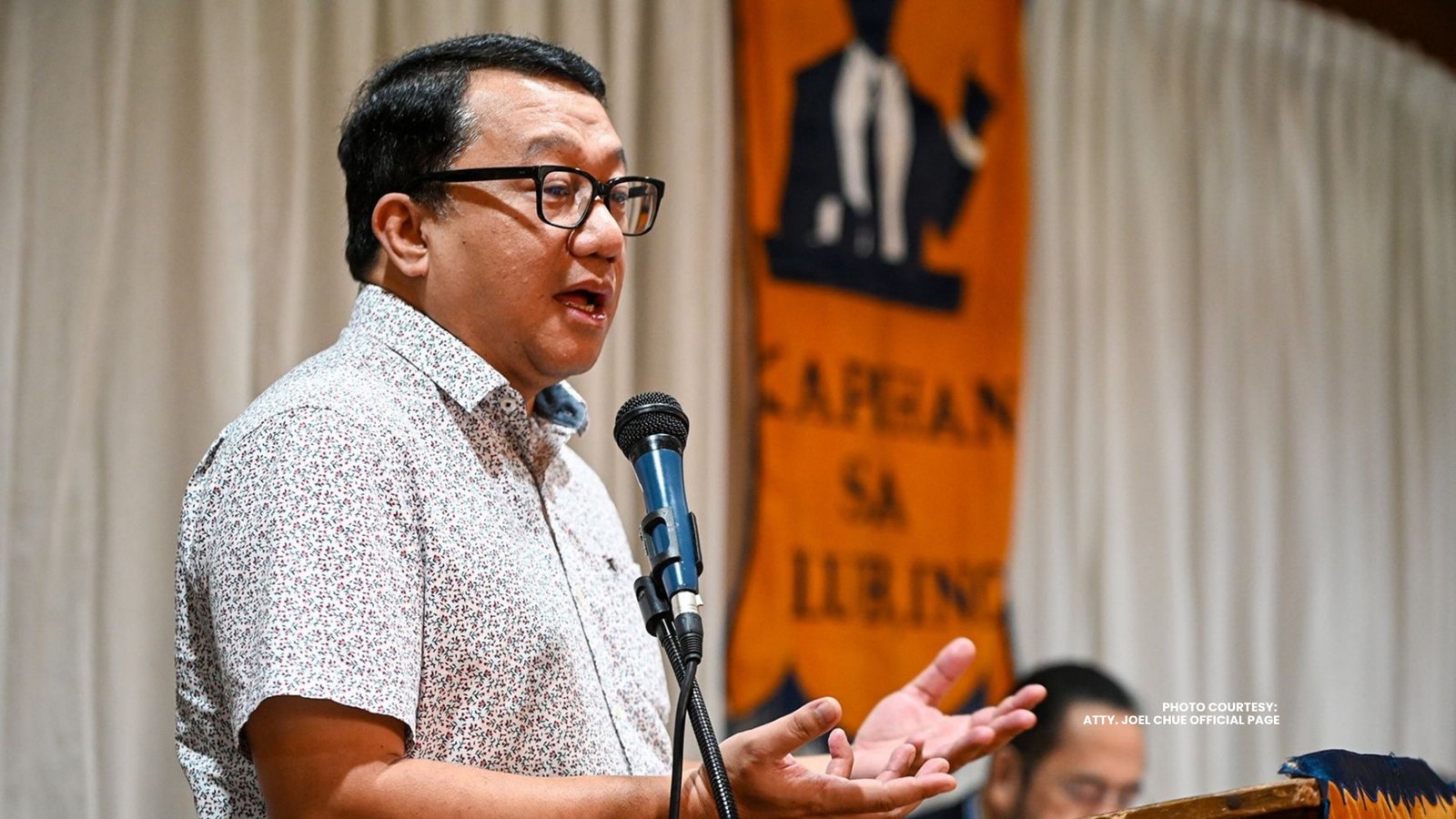
Rep. Joel Chua of the 3rd District of the City of Manila on Friday said records from the Anti-Money Laundering Council (AMLC) raise serious questions about the financial standing of Vice President Sara Duterte, citing what he described as billions of pesos in documented transactions.
Chua, who chairs the House Committee on Good Government and Public Accountability, said the AMLC data suggests that Duterte’s financial profile may be far larger than what has been publicly declared.
“These are not mere allegations or opinions. These are based on official government documents,” he said, emphasizing that the volume and frequency of transactions reflected in the records cannot be dismissed.
According to the lawmaker, the findings place the burden on the Vice President to explain the source and purpose of the funds.
“The question is simple: who provided these amounts, and why were they being received regularly?” Chua said.
He also pointed to what he described as a discrepancy between the AMLC findings and Duterte’s Statements of Assets, Liabilities, and Net Worth (SALNs), raising concerns over possible non-disclosure.
“Why were these amounts not reflected in official declarations? That is a key issue the public deserves clarity on,” he added.
Chua further questioned claims that the funds may have come from legitimate business activities, noting that records from the Securities and Exchange Commission show some companies linked to Duterte allegedly did not generate profits at a level that could explain such large financial flows.
He said the next step would be to examine tax records from the Bureau of Internal Revenue to determine whether reported income aligns with taxes paid.
“If income and tax filings do not match, that would further raise doubts,” Chua pointed out, adding that any inconsistency could point to potential issues involving undeclared wealth.
The lawmaker stressed that the matter should be viewed beyond politics, framing it as a question of legal accountability and transparency.
“When there is a gap between declared assets, financial records, and possible tax obligations, it becomes a matter that must be addressed under the law,” he said.
Chua said his committee would continue to pursue the issue through official documents and established processes, underscoring the need for full disclosure.
“The public deserves clear answers. Questions of this scale cannot simply be ignored,” he said.