
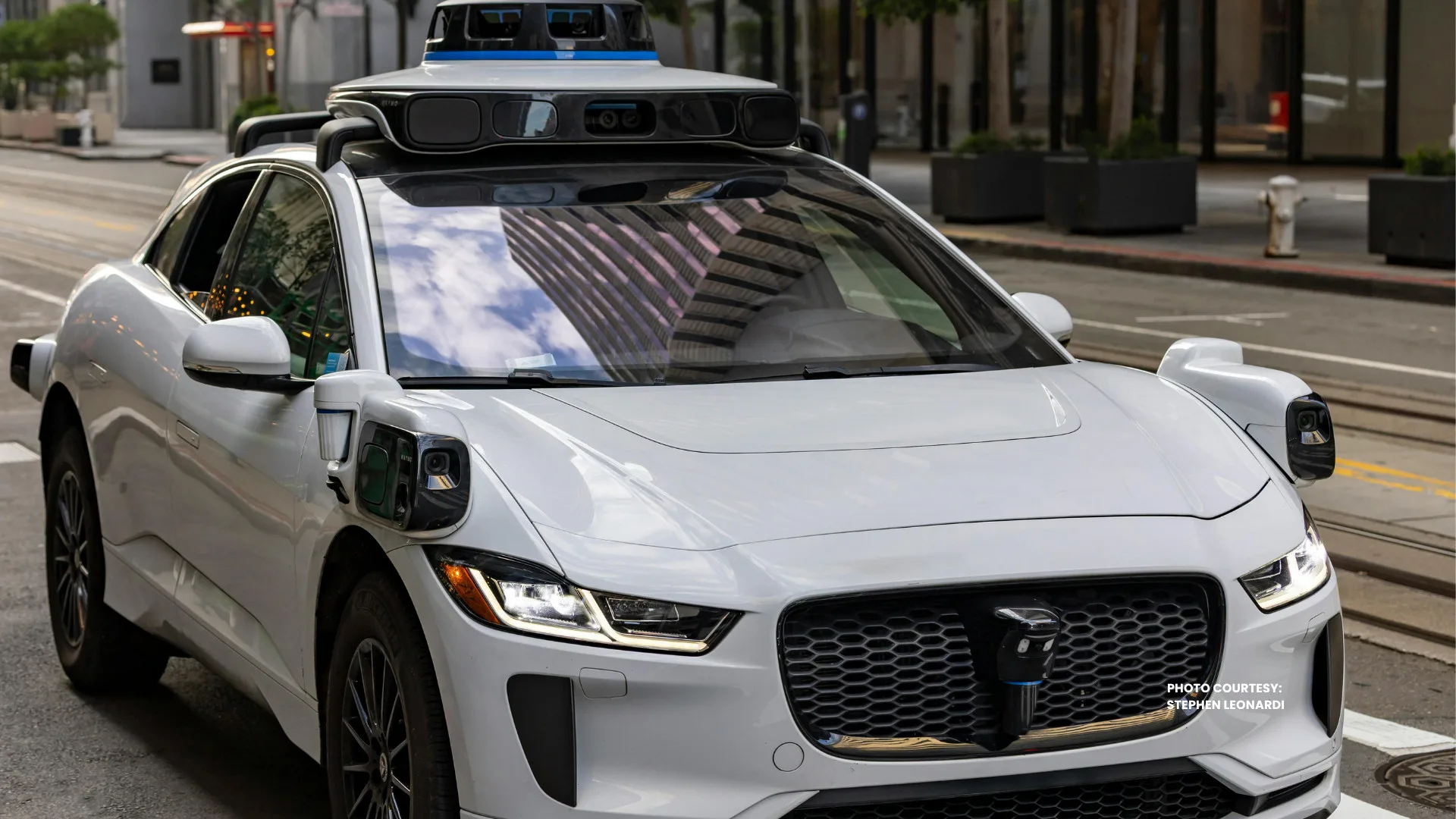
Not long ago, a car driving itself through city streets felt like something confined to concept videos, sleek, impressive, and distant from everyday life. In cities like Manila, where traffic and unpredictability shape daily commutes, that future still feels far off. Yet that distance is closing faster than most expected.
Across several major cities, driverless ride-hailing services are moving beyond testing into real-world use. In parts of the United States and China, passengers can already book rides in vehicles that handle most or all of the driving. At the same time, companies like Tesla continue to develop consumer-facing autonomous features, while platforms backed by firms such as Uber and Nvidia are exploring how to scale driverless mobility across cities.
The industry’s central question is shifting from whether autonomous driving can work to how it can operate reliably and at scale.
From proving grounds to city streets
Autonomous vehicles are no longer confined to controlled pilots. They are now navigating dense traffic, interacting with pedestrians, and adapting to unpredictable road conditions.
In cities abroad, driverless systems operate in complex urban environments with steep roads, heavy congestion, and constant movement. These are everyday conditions, not controlled tests.
In the Philippines, the challenge is even more layered. Metro Manila presents dense traffic, mixed road use, informal transport systems, and highly adaptive driving behavior. For autonomous systems to work here, they must navigate not only infrastructure but also local driving culture.
As driverless technology enters daily use, the focus shifts. The question is no longer whether it works in isolation, but whether it can function within real-world urban systems.
The hard part nobody talks about
Building a self-driving car is extraordinarily difficult. Running fleets of them across cities is a different challenge altogether.
Autonomous fleets must be deployed where demand is highest, rerouted in real time, maintained between trips, and monitored when unexpected situations arise. Even advanced systems still rely on remote support in certain cases.
This is where competition is evolving. The focus is shifting from autonomy to operations, including reducing idle time, improving utilization, and making services economically viable.
New players are emerging in this space. Manila-based Carziqo, for example, is developing systems for centralized dispatch, remote supervision, and fleet optimization. This reflects a broader industry shift that success will depend on operating them efficiently at scale.
As driverless systems expand, operational infrastructure becomes as critical as the vehicles themselves.
What cities stand to gain
The potential benefits extend beyond convenience. Autonomous fleets could reduce private car ownership, optimize road use, and expand mobility for those who cannot drive.
In the Philippines, where commutes can stretch for hours, and public transport remains under pressure, the implications are immediate. Autonomous fleets, if adapted locally, could complement systems such as jeepneys, buses, and rail, offering additional ways to move through congested urban spaces.
There are early signs of this broader utility. In some cities, autonomous vehicle data is being used to detect road issues, monitor traffic flow, and support urban planning.
At the same time, limitations remain. Incidents involving autonomous systems, regulatory uncertainty, and uneven public trust continue to shape adoption.
In the Philippines, key questions around safety standards, liability, data governance, and infrastructure readiness remain unresolved. Adoption will likely be gradual, shaped by both policy and public confidence.
The gap between pilot programs and large-scale transformation remains significant. Bridging it will require coordination, clear regulation, and systems people trust.
A race with no obvious finish line
The driverless mobility sector is entering a more competitive phase, with models ranging from vertically integrated systems to platform-based ecosystems combining software, vehicles, and partnerships.
This is no longer a single-company story. It is an ecosystem taking shape.
The companies that succeed will not simply build advanced vehicles. They will integrate them into systems people trust and use every day. Success will depend on consistency, coordination, and scale.
That will determine whether driverless cities remain a promise or become ordinary. For the Philippines, that future will arrive gradually, shaped as much by local realities as by global innovation.