
The Department of Energy (DOE) announced on Tuesday that it is pushing for a competitive procurement framework for nuclear power projects as the Philippines works to integrate nuclear energy into its national generation mix.
The proposed guidelines focus on grid readiness, staged project delivery, and strict pricing controls, according to the energy department.
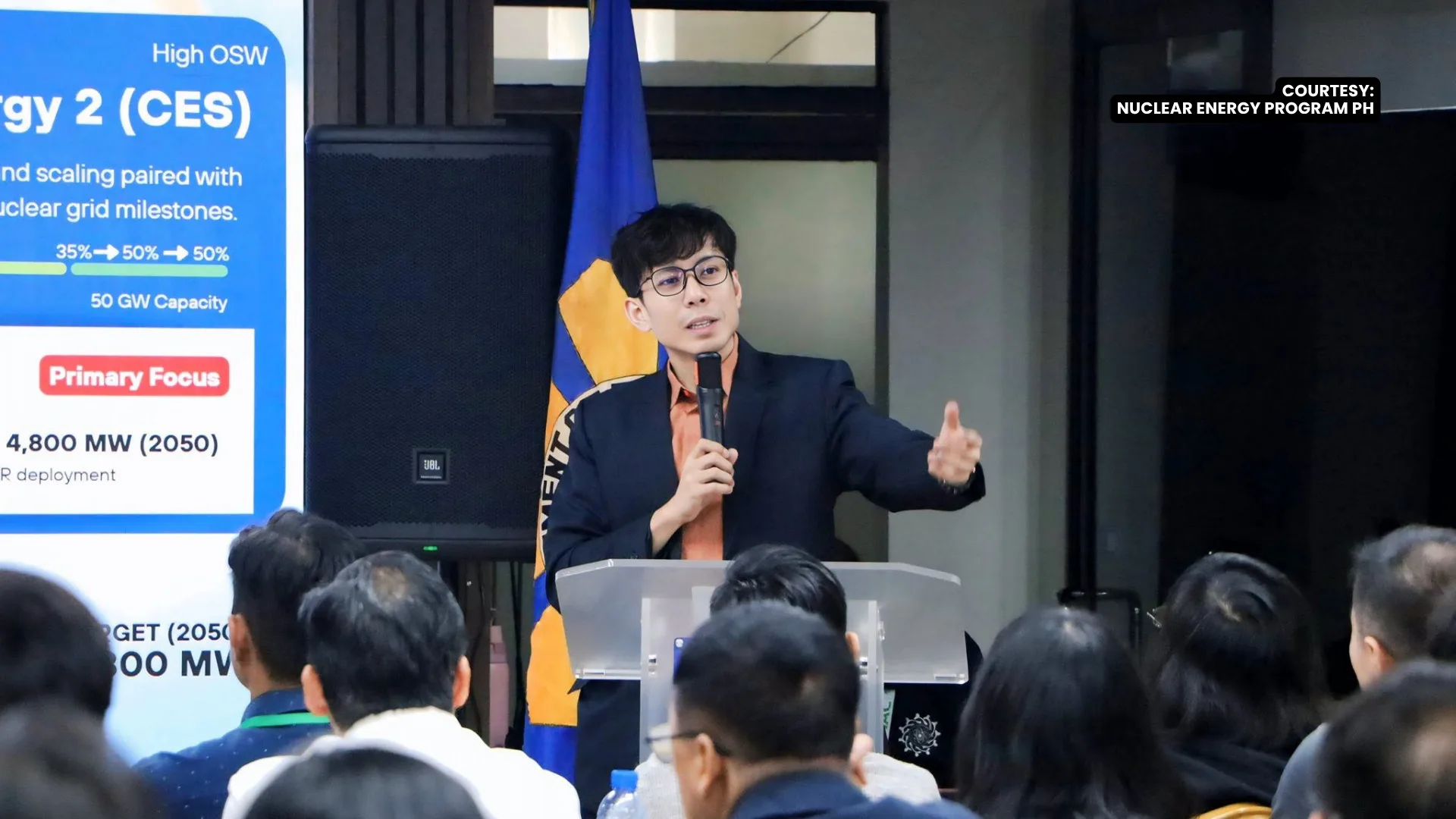
Patrick Aquino, head of the technical secretariat of the Nuclear Energy Program Inter-Agency Committee (NEP-IAC), presented the framework during a public consultation held at the DOE Auditorium in Bonifacio Global City, Taguig.
Under the draft rules, participating bidders must submit preliminary grid feasibility assessments, specifying substations, connection points, and transmission infrastructure needed to ensure the safe and stable integration of nuclear power into the national grid.
The framework adopts a staged procurement model, aligning construction schedules with chosen nuclear technologies, site development requirements, project financing, licensing milestones, and grid capacity.
The DOE clarified that winning a competitive tender grants capacity selection rights only and does not serve as an authorization to construct or operate a nuclear facility. Formal construction and operational activities remain subject to regulatory approval and licensing from the Philippine Atomic Energy Regulatory Authority (PAEARA), which maintains sole jurisdiction over nuclear safety, siting, commissioning, and operations.
To protect consumer interests, the procurement process includes strict price controls. The Energy Regulatory Commission (ERC) will establish reserve prices, tariff frameworks, price thresholds, and calculation methodologies, with bids exceeding the designated ceiling facing automatic disqualification.
The proposed framework supports government targets under the Philippine Energy Plan to add 1,200 megawatts (MW) of nuclear capacity to the grid by 2032, expanding to 2,400 MW by 2035 and 4,800 MW by 2050.
The DOE stated it is currently reviewing feedback gathered from energy sector stakeholders, including distribution utility Manila Electric Co. (Meralco) and grid operator National Grid Corporation of the Philippines (NGCP), before finalizing the department circular.