
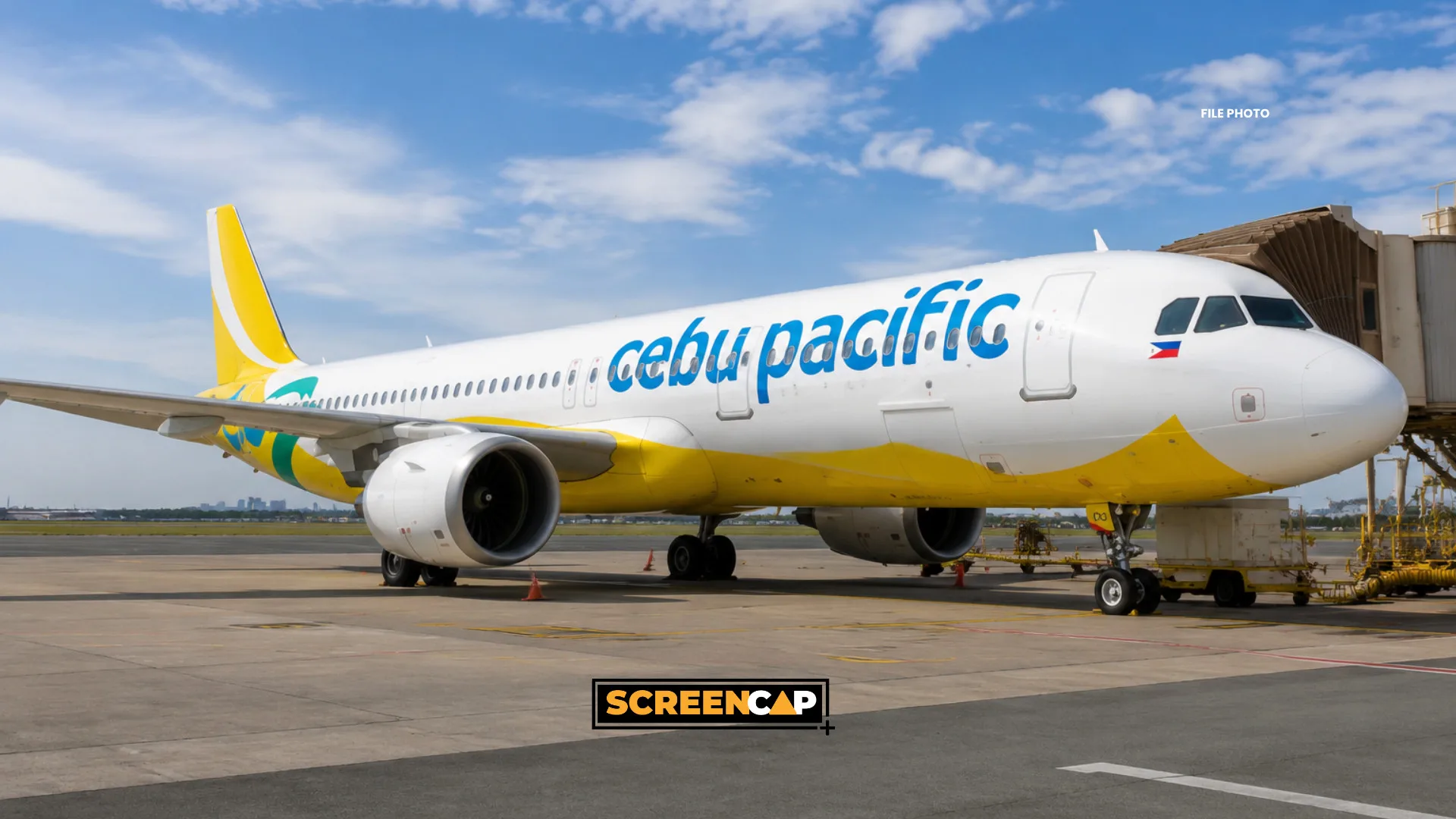
Cebu Pacific has partnered with technology consultancy Thinking Machines Data Science and AI developer OpenAI to integrate artificial intelligence solutions into its daily operations and boost workflow efficiency.
The collaboration aims to minimize repetitive manual processes and empower staff to deliver better service across the airline’s departments.
“At Cebu Pacific, we see AI as a practical way to make every customer’s journey simpler and our operations more reliable,” said Fabricio Ibáñez, Chief Digital and Technology Officer at Cebu Pacific. “It helps our people solve problems faster, make better decisions, and focus on higher-value work. Working with OpenAI technology and Thinking Machines, we are turning experimentation into real workflows that create value for our people and customers.”
Ibáñez noted that the collaboration helped generate momentum across the company’s workforce. “What impressed me was how quickly Thinking Machines Data Science turned broad interest in AI into real momentum across the business. They were able to activate the business and create excitement across the organization,” he said.
Focusing on administrative and operational enhancements, the initiative addresses day-to-day workflow bottlenecks.
“For a company that puts its customers at the center of its operations, AI helps Cebu Pacific work smarter by taking friction out of everyday processes, reducing manual work, speeding up processes, and enabling our teams to make better decisions,” Ibáñez added. “Our partnership with Thinking Machines Data helps make our operations more efficient, so our people can focus on delivering a better experience for our passengers.”
Following the deployment of ChatGPT Enterprise, several business units recorded significant gains in speed and workload reduction. Legal contract review times were slashed by roughly half, decreasing from an average of 2.5 hours to 1.2 hours per document. Project intake and triage processing times dropped from five days down to about one day, accompanied by an estimated 80 percent reduction in manual review effort. In engineering, reference searches for technical documentation that previously took between 10 and 15 minutes were reduced to under 10 seconds.
Initial employee feedback indicates widespread adoption of the new digital tools across the airline. In a survey conducted following the rollout, 86 percent of respondents reported that AI tools support more than one-third of their daily work.