
The Philippines’ National Maritime Council (NMC) has expressed serious concern over another maritime incident involving a Chinese vessel in the West Philippine Sea, condemning what it described as “illegal, coercive, aggressive, and dangerous actions” by the China Coast Guard (CCG).
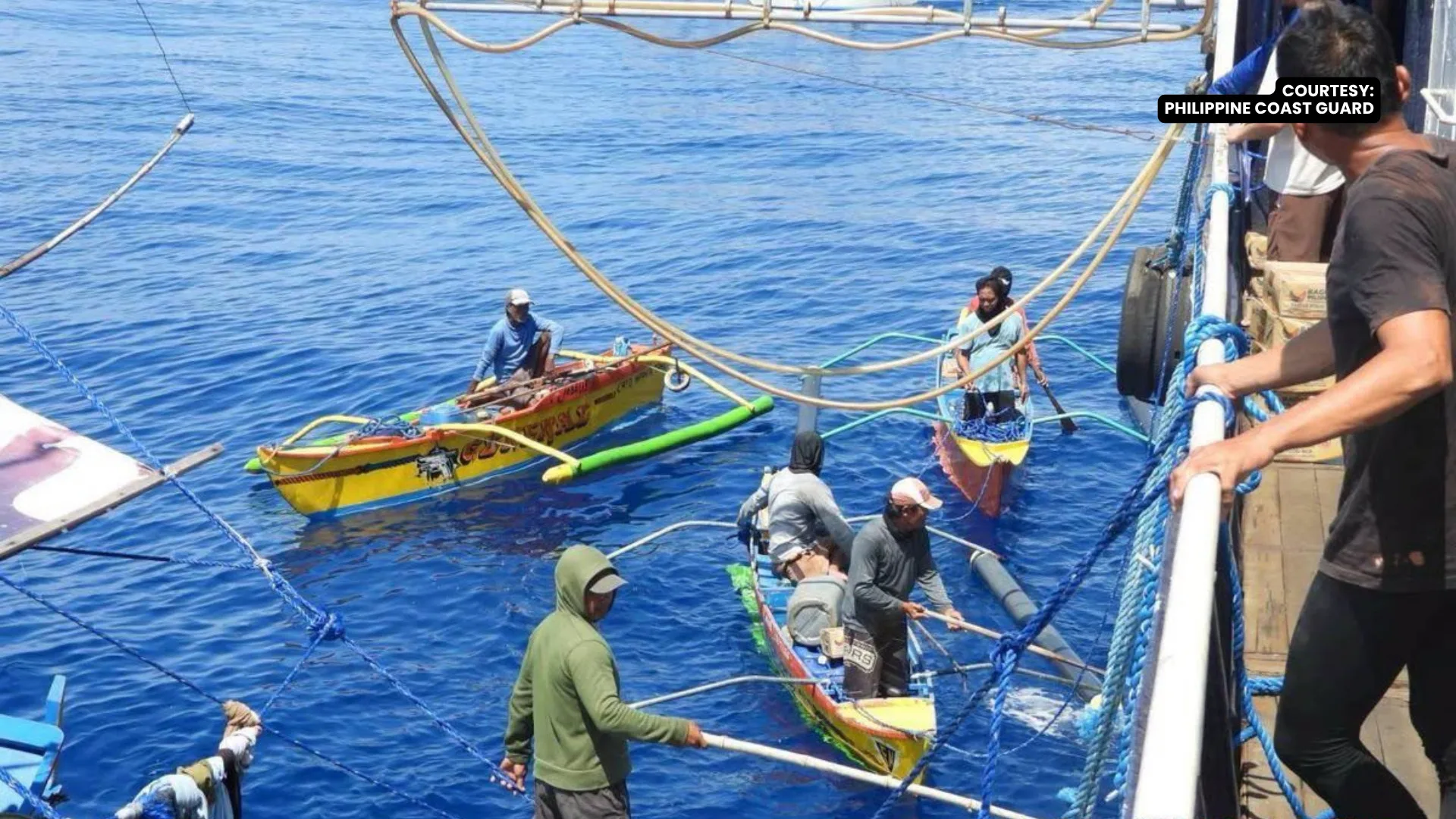
The incident occurred on Friday, September 18, 2026, when a Bureau of Fisheries and Aquatic Resources (BFAR) vessel, the BRP Datu Magat Salamat (MMOV 3015), was targeted by CCG vessel 21585 while executing a routine government fuel assistance mission for local Filipino fisherfolk operating in the region.
Civilian Crew Put at Risk
In an official statement released on Saturday, September 19, the NMC emphasized that the hostile actions of the Chinese vessel endangered the lives of civilian personnel onboard the government ship during a routine livelihood support operation.
“The NMC is particularly concerned that the illegal, coercive, aggressive and dangerous actions of the CCG vessel placed the civilian crew of the BFAR vessel at unnecessary risk while carrying out a legitimate livelihood-support mission,” the statement read.
The council reiterated that safety of life at sea remains paramount, reminding all foreign vessels navigating the area to adhere to international safety regulations, exercise maximum restraint, and demonstrate professional seamanship.
Coordinated Response & Commitment to Sovereign Rights
The NMC commended the swift response coordinated by the National Task Force for the West Philippine Sea (NTF-WPS), including the Philippine Coast Guard (PCG) and BFAR, in ensuring the vessel and crew were secured without disrupting aid delivery to local maritime communities.
Despite recurring tensions, Manila reaffirmed its stance to uphold its maritime claims through peaceful and legal avenues under international law.
“The Philippines will continue to exercise its sovereign rights and jurisdiction in its exclusive economic zone consistent with UNCLOS and the 2016 Arbitral Award, while pursuing a peaceful and rules-based approach to maritime differences,” the NMC affirmed.
Concluding its statement, the council highlighted the cultural and national significance of the country’s maritime domain:
“Our seas are part of our national identity and patrimony. We will continue to support our fisherfolk and government personnel who serve the country at sea and we will remain steadfast in upholding our lawful rights and national interests in our maritime domain with courage, unity, and respect for the rule of law.”