
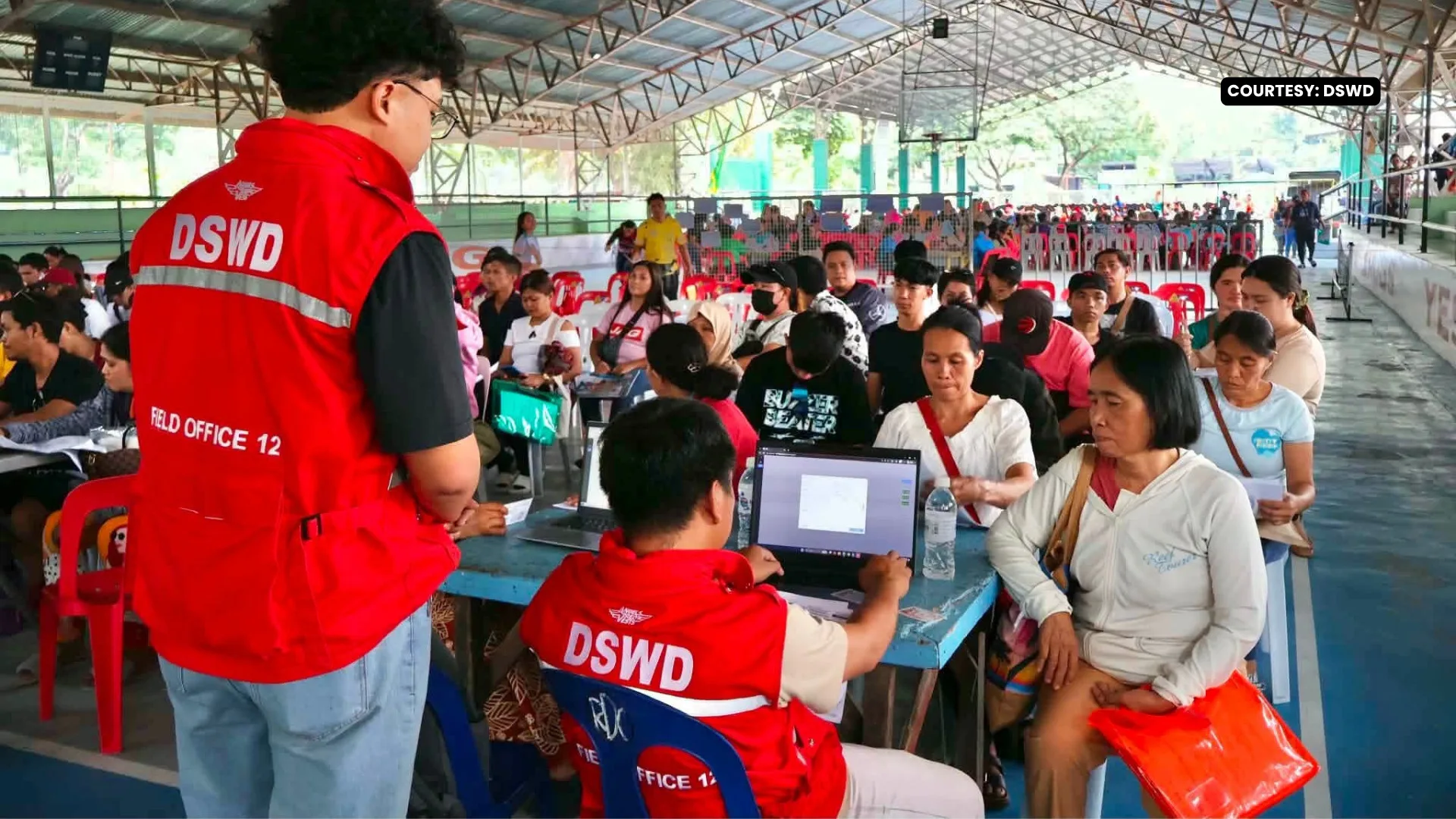
Indigent senior citizens can present any valid government-issued identification card to claim their monthly stipend, the Department of Social Welfare and Development (DSWD) confirmed on Thursday (September 17), dispelling claims that the PhilSys National ID is strictly required.
DSWD Assistant Secretary Irene Dumlao addressed rumors circulating on social media regarding the Social Pension for Indigent Senior Citizens (SPISC) payout requirements.
“Nais lamang po naming klaruhin na hindi national ID lang ang tinatanggap namin tuwing payout ng social pension. Maaari pong magpresenta ng kahit anong valid government-issued ID ang ating mga lolo at lola, gaya ng senior citizen card, para matanggap nila ang kanilang pensyon,” Assistant Secretary Dumlao said.
The official clarification responds to a viral post by an Australia-based Filipino vlogger, which garnered over 246,000 reactions and 52,000 comments, wrongfully asserting that beneficiaries must hold a National ID to receive their funds.
While the agency confirmed that the National ID is accepted, it is far from the sole option.
However, the department still advises elderly Filipinos to register for one as public service systems modernize.
“Ine-encourage lamang po natin ang mga senior citizens na kumuha ng National ID dahil kalaunan ay ito na ang gagamitin ng iba’t ibang ahensya ng gobyerno bilang pangunahin o primary ID sa pagkuha o pag-access ng serbisyo ng ating pamahalaan,” Dumlao explained.
Dumlao urged beneficiaries and their families to verify payout schedules, requirements and program guidelines exclusively through official DSWD communication channels to avoid falling for online misinformation.
The SPISC is a social protection initiative designed to assist qualified indigent senior citizens who are 60 years old and above. Under Republic Act No. 11916, entitled beneficiaries are allocated P1,000 per month. This monthly stipend aims to augment the daily living subsistence and medical needs of elderly individuals who are frail, ill or living with a disability, and who lack regular income, pensions or sufficient family support.