
Digital payments accounted for 64.7 percent of total retail payments in the Philippines in 2025, up from 57.4 percent in 2024, as more Filipinos adopted faster and more convenient electronic transactions, according to the Bangko Sentral ng Pilipinas (BSP).
The central bank noted that the 2025 figure falls well within the government’s target of 60 percent to 70 percent under the Philippine Development Plan for 2023 to 2028.
“The BSP continues to work closely with industry and government partners to expand digital payments to benefit more Filipinos and the economy as a whole,” BSP Governor Eli M. Remolona Jr. said.
Remolona pointed to the central bank’s drive for system-wide interoperability as a key driver of this growth, enabling consumers and businesses across different financial platforms to transact seamlessly with one another.
“A lot of the growth is due to our insistence on interoperability, ensuring that a growing number of businesses and service providers are on one system,” Remolona said. “That brings in more users, which makes the network more valuable for everyone in it, including consumers, businesses, banks, e-wallets and other platforms,” he added.
According to the BSP’s 2025 Report on the Status of Digital Payments in the Philippines, the expansion was bolstered by a 69.4 percent surge in digital payment accounts alongside a 36.3 percent increase in merchant acceptance locations nationwide.
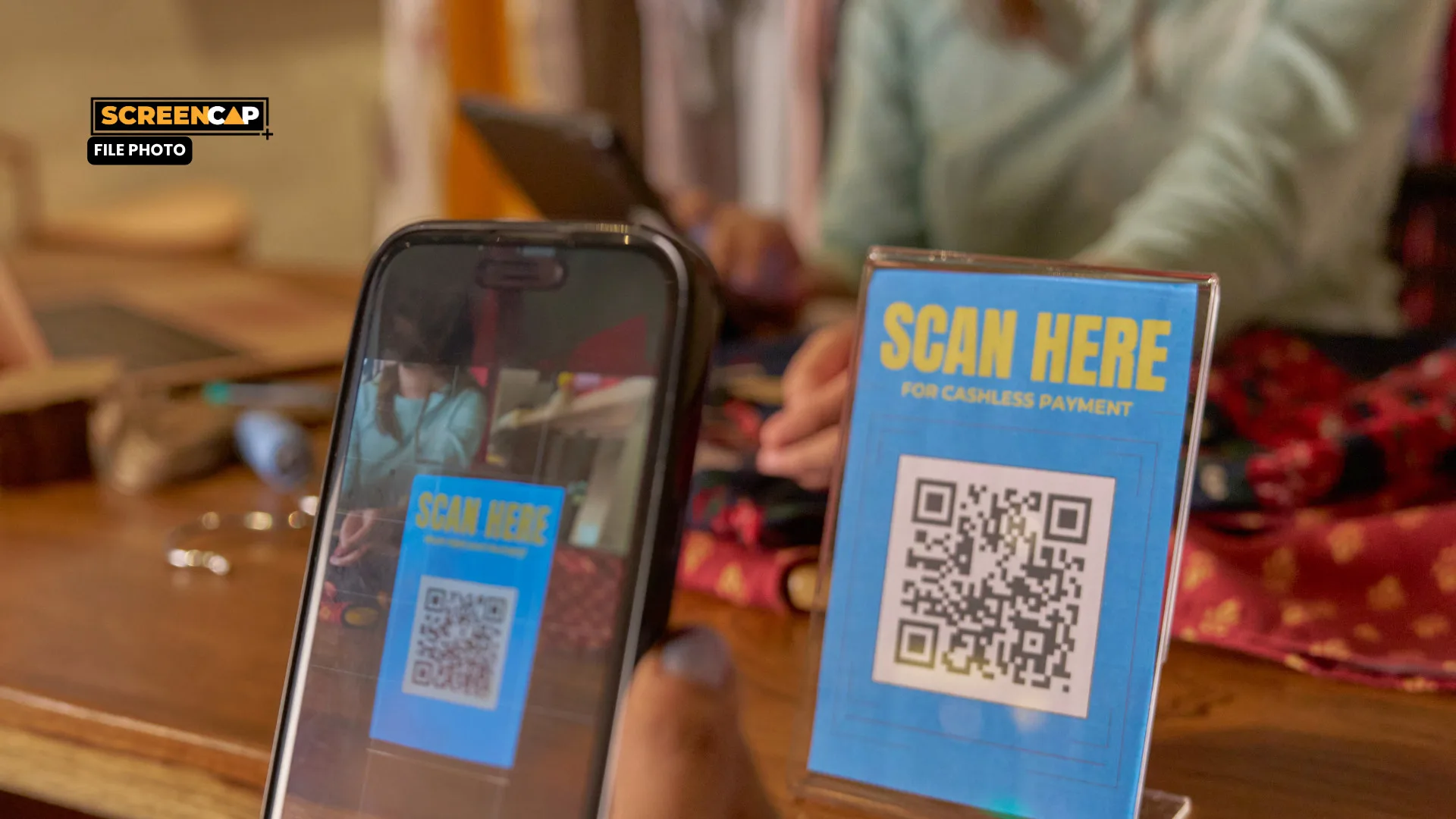
Notably, QR Ph transactions surpassed debit and credit card transactions for the first time in 2025, signaling widespread adoption of interoperable, account-based payment methods. A total of 2.47 billion QR Ph transactions valued at P1.16 trillion were processed over the course of the year. Additionally, PESONet transaction volume outstripped traditional check payments, further underscoring the shift toward electronic fund transfers for commercial and personal use.
The BSP expects this digital momentum to persist, backed by regulatory efforts to keep electronic channels accessible and cost-effective. Under Circular No. 1238, the central bank is pushing for fair transfer pricing, mandating that inter-bank or inter-wallet transfer fees should not materially differ from those charged for intra-institution transfers.