

The first few minutes of a livestream can be uncomfortable.
You become aware of where your hands are, how your voice sounds, whether anyone is actually watching. If there is a long pause, you fill it. If someone asks a question, you answer quickly. If no one asks anything, you keep talking anyway.
For many online sellers, that awkwardness is part of the job.
Livestream selling has become ordinary enough in the Philippines that almost anyone who spends time on social media has seen it: clothes held up one by one, beauty products tested on camera, food packed while viewers place orders in the comments.
Fine jewelry is a different proposition.
The products cost more. Presentation matters more. Buyers tend to ask more questions. And getting started usually requires money for inventory, equipment and the rest of the operation behind every sale.
Mayet Live House is built around removing some of those barriers.
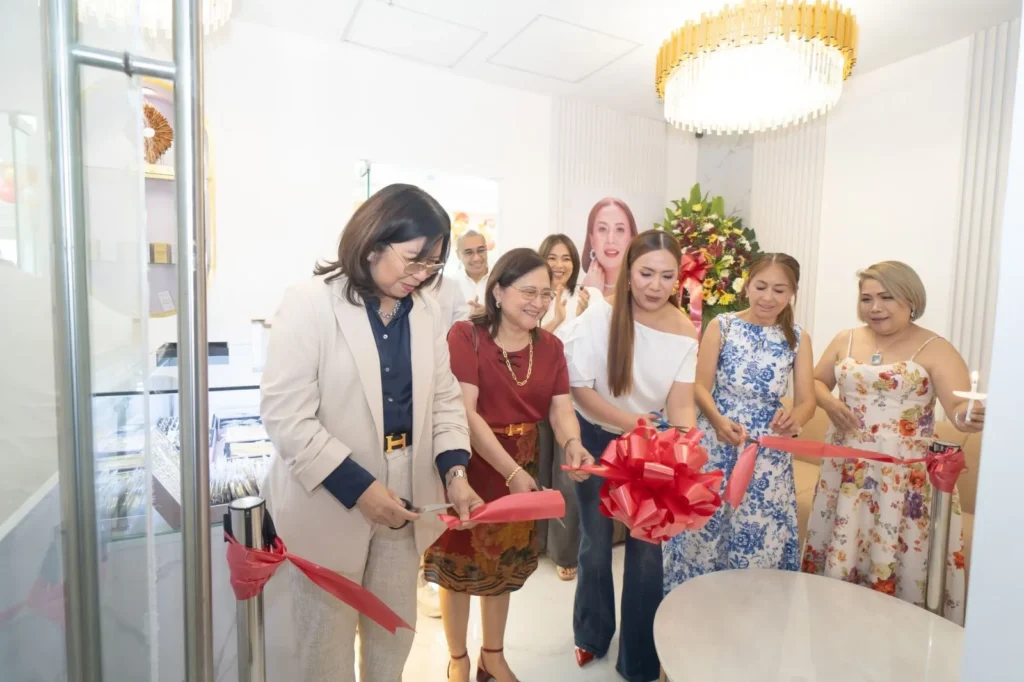
The studio lets people sell jewelry on livestream without having to own the pieces themselves or invest in a full setup. Sellers use the studio, choose from available pieces and go live from a space already fitted with proper lighting, displays and a stable internet connection.
“Too often, people have the passion and talent to build a business but are held back by the cost of inventory, equipment, or operations,” Mayet Dela Rosa says.

The setup is likely to appeal to people who already know how to talk to an audience but have never tried selling jewelry. That could mean a student, a content creator, an online reseller or someone simply looking for another source of income.
The studio itself is polished, but not in the way of a traditional jewelry store. It is designed for cameras first. The lighting has to flatter both the person speaking and the stones being shown. Displays are arranged so they read well on screen. There is coffee on hand, which feels less like a luxury than a practical necessity if you are expected to stay lively for an entire stream.
The less visible work starts when the livestream ends.
Orders have to be confirmed. Deliveries have to be arranged. Buyers need updates. Inventory has to be checked. These are the parts of online selling that are easy to underestimate until the orders start coming in.
The Live House also provides support for those tasks, including order processing, delivery, customer follow-up and inventory reconciliation.
That makes the model more than just studio rental. It allows sellers to focus mostly on the part customers see while other people handle much of what happens in the background.
There is, of course, a clear business benefit for the jewelry brand too. More people selling means more possible buyers and wider reach. The arrangement is still commercial, even if it is packaged as an opportunity for aspiring entrepreneurs.
What is more telling is how much the image of a salesperson has changed.
Selling jewelry once meant working behind a counter, building a client list or having enough capital to buy and resell pieces yourself. Now someone can walk into a studio, switch on a camera and try to build a customer base from a livestream.
That does not mean everyone who books a slot will turn it into a career.
Selling live still requires timing, confidence and a good read on people. You have to know when to explain, when to stop talking and when someone watching is close to buying. A professional setup can help, but it cannot do that part for you.
Still, lowering the cost of entry changes who gets to try.
That may be where Mayet Live House fits best. Not as a shortcut to entrepreneurship, but as another sign that selling in the Philippines is moving further away from storefronts and deeper into feeds, cameras and live chat.
And now, even diamonds are part of it.