
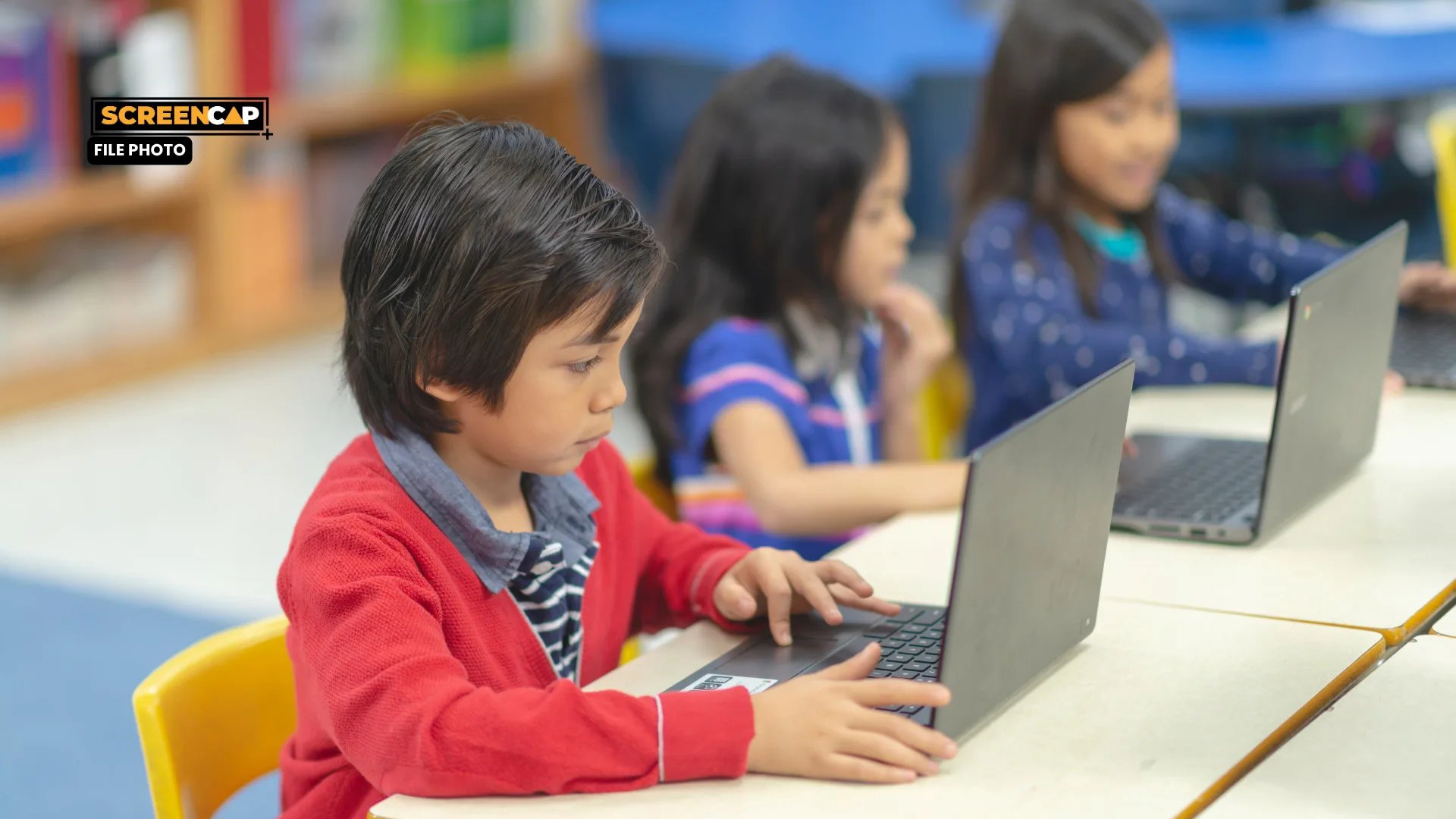
House Speaker Faustino “Bojie” G. Dy III is pushing to make digital literacy a mandatory component of basic education, saying regulation must be paired with education to better protect Filipino children online.
Dy issued the call as the House Committee on the Welfare of Children convened a Technical Working Group to discuss proposals on child online safety and restrictions on social media use among minors.
The TWG, chaired by Pasig City Rep. Roman T. Romulo, is reviewing comments and proposed revisions to several measures aimed at protecting children in the digital environment. Lawmakers are also seeking to reconcile differing proposals on the appropriate age restrictions for social media access.
Some bills propose banning social media use among children below 13, while others seek to impose restrictions on all minors below 18.
Among the measures under review is House Bill No. 9965, authored by Dy and Majority Leader Ferdinand Alexander “Sandro” Marcos. The bill adopts a graduated approach by prohibiting children under 13 from maintaining social media accounts while allowing those aged 13 to 17 to access platforms only with verifiable parental consent and ongoing supervision.
Dy said regulating access alone would not be enough, stressing that children must also be equipped with the skills to navigate the digital world safely and responsibly.
“Hindi po natin puwedeng iasa sa pagbabawal lamang ang kaligtasan ng ating mga anak. If we teach our children how to read and write, in the Age of Social Media, we must also equip them with the knowledge to recognize lies and misinformation on the internet,” the Speaker said.
Under HB 9965, the Department of Information and Communications Technology, in coordination with the Department of Education, would integrate a “Digital Literacy and Ethical Use of Social Media” module into the K to 12 curriculum.
The program would teach students to critically assess online information, understand how algorithms shape the content they see, identify and report cyberbullying, online exploitation and harmful material, practice responsible digital citizenship, and develop healthy screen-time habits.
“Ang pinakamalaking panganib ay hindi lamang kung ano ang nakikita ng ating mga kabataan sa social media—kundi kung ano ang paulit-ulit na pinipiling ipakita sa kanila ng mga algorithm. Kaya dapat natin silang bigyan ng kaalaman at kakayahang maging mapanuri, mag-isip nang mabuti, at maunawaan kung paano naaapektuhan ng bawat scroll ang kanilang pananaw sa mundo,” Dy said.
The measure would also require the DICT to conduct periodic training for teachers and hold awareness seminars for parents and children below 18 to reinforce digital safety both in schools and at home.
“Hindi natin maaaring ipaubaya sa teknolohiya ang pagpapalaki ng ating mga anak. Kasama sa laban na ito ang mga magulang, mga guro, at ang buong pamahalaan. Kapag iisa ang mensahe sa bahay at sa paaralan, mas magiging ligtas ang ating mga kabataan sa online world,” Dy added.
“Ang layunin ng panukalang ito ay hindi ang ilayo ang mga bata sa teknolohiya. Ang hangarin po natin ay tiyaking hindi sila magiging biktima nito.”
HB 9965 forms part of the House leadership’s effort to establish a comprehensive child online safety framework that combines age-appropriate regulation, stronger accountability for social media platforms, parental involvement, and digital education.