
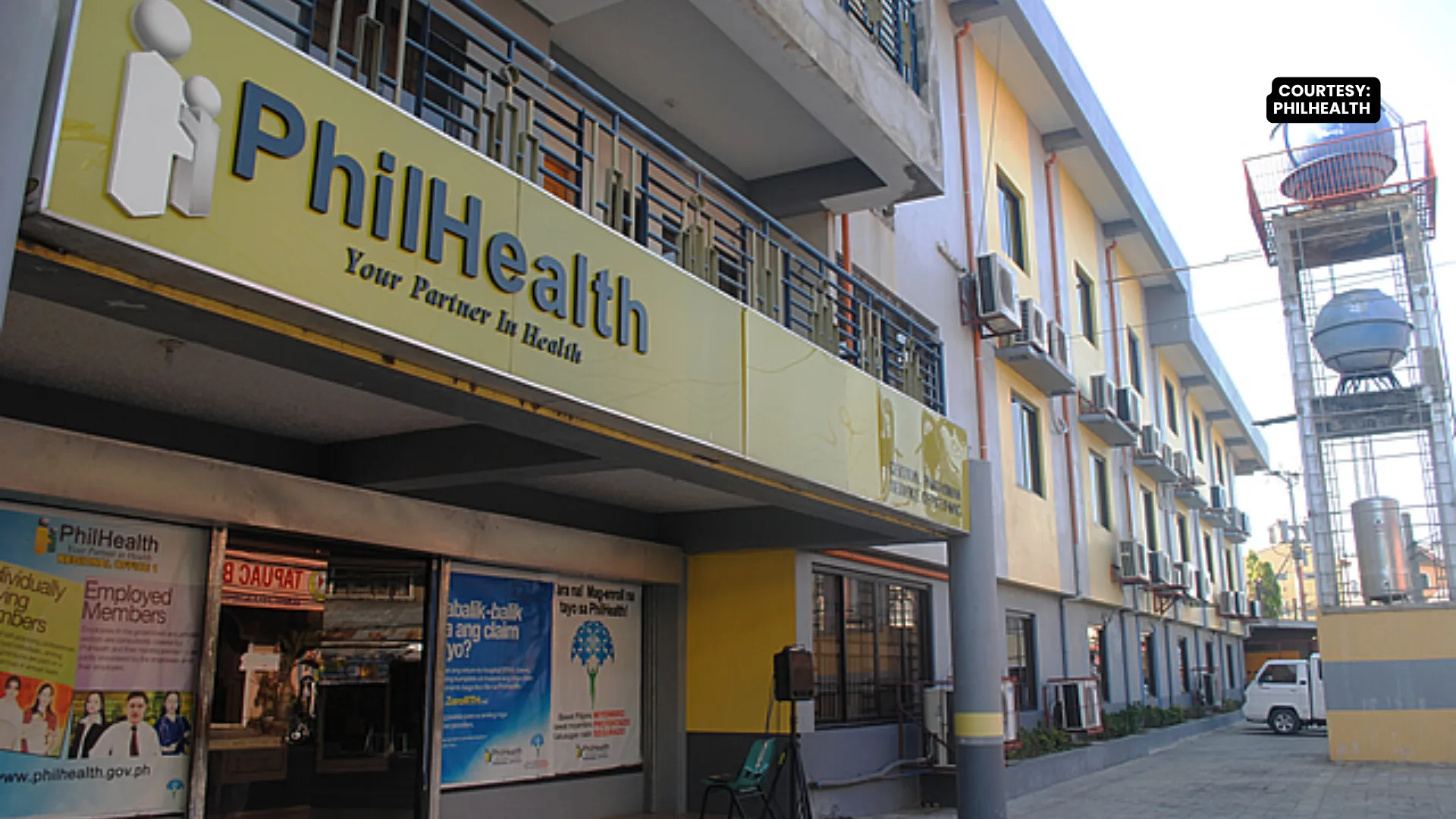
Former Eastern Samar Gov. Ben Evardone has backed Executive Secretary Ralph Recto’s proposal for PhilHealth to provide additional benefits to its more than 37 million direct contributors or paying members.
Evardone, a former Eastern Samar representative, also supported Recto’s separate call to expand PhilHealth coverage for services provided by hospitals operated by local government units.
In a statement, Evardone urged PhilHealth and the Department of Health to immediately implement the proposals, saying additional benefits for paying members are allowed under existing law.
“The Universal Health Care Law (Republic Act No. 11223) allows it. The law mandates PhilHealth to grant more benefits to its direct contributors, who comprise 63.4 percent or majority of the state health insurer’s 58.7 million members as of 2025,” Evardone said.
He cited Section 9 of Republic Act No. 11223, which states: “PhilHealth shall provide additional program benefits for direct contributors, where applicable.”
Evardone said the provision has yet to be implemented more than seven years after the law was enacted on Feb. 20, 2019.
“PhilHealth should now obey the law and do justice to its millions of paying members and their dependents,” he said.
Evardone said that as a retired lawmaker and local official, and therefore a non-contributory and non-paying PhilHealth member, he supports Recto’s proposal “in fairness to paying members who are mostly government and private sector employees and who are required by law to pay monthly premium contributions.”
To ensure that non-paying beneficiaries also receive expanded benefits, Evardone proposed increasing the government’s annual subsidy for PhilHealth and maximizing the insurer’s earnings from its investments.
“The remedy is not to continue withholding or denying what is due paying members but to look for additional funds for their non-contributory counterparts,” he said.
Evardone also said wider PhilHealth coverage is needed to help LGU-run hospitals remain operational and financially viable.
“Hospital services are draining so much funds of LGUs, which, as we all know, have to fund various programs, projects and activities, including infrastructure, education and helping poor residents,” he said.
“They need as much help as they can get from PhilHealth for the healthcare of their constituents,” Evardone added.