
The Department of the Interior and Local Government has placed local government units, especially those in Northern Luzon and other hazard-prone areas, on heightened alert ahead of the expected entry of Super Typhoon Bavi into the Philippine Area of Responsibility.
The order follows President Ferdinand R. Marcos Jr.’s directive for government agencies to take a whole-of-government approach in preparing for the possible effects of the super typhoon.
“Now is the time to prepare. We are directing all LGUs to move early, activate their disaster response mechanisms, and ensure that communities in high-risk areas are ready should conditions worsen,” the DILG said.
Marcos earlier ordered national and regional disaster agencies to activate preparedness measures to protect lives, livelihoods, and property.
Based on the latest forecast of DOST-PAGASA, Bavi is expected to enter PAR between Tuesday evening and early Wednesday, when it will be given the local name Inday.
While current projections show a low chance of landfall, the weather disturbance is expected to enhance the Southwest Monsoon, which may bring heavy rains, strong winds, flooding, and possible landslides in several areas.
In its advisory, the DILG directed LGUs to monitor official weather bulletins, activate Emergency Operations Centers and Incident Management Teams when needed, identify flood- and landslide-prone communities, and prepare for preemptive evacuations.
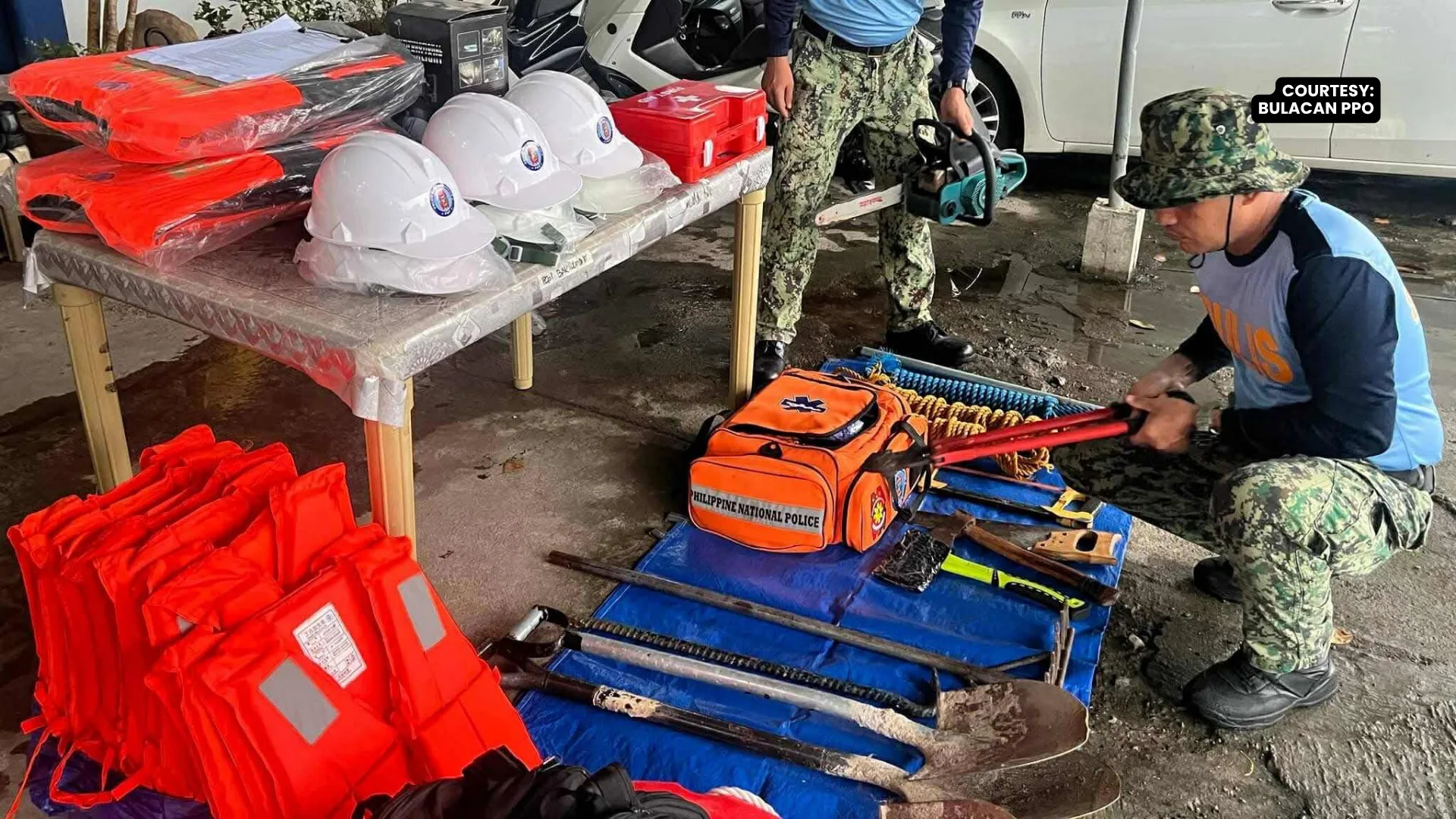
Local governments were also ordered to preposition rescue assets and relief supplies and ensure that evacuation centers are ready to accommodate affected families.
The department also instructed LGUs to clear drainage systems and waterways, inspect critical infrastructure, and intensify public information campaigns.
Residents were urged to prepare emergency go bags, follow official advisories, and avoid unnecessary travel during severe weather conditions.
The DILG also reiterated the strict implementation of Operation L!STO protocols and other rainy season preparedness measures, stressing that early action, close coordination, and decisive local leadership are critical in reducing disaster risks.
“We expect every local chief executive to remain at their respective stations, lead from the front, and act decisively to protect lives and keep their communities safe,” the DILG said.