
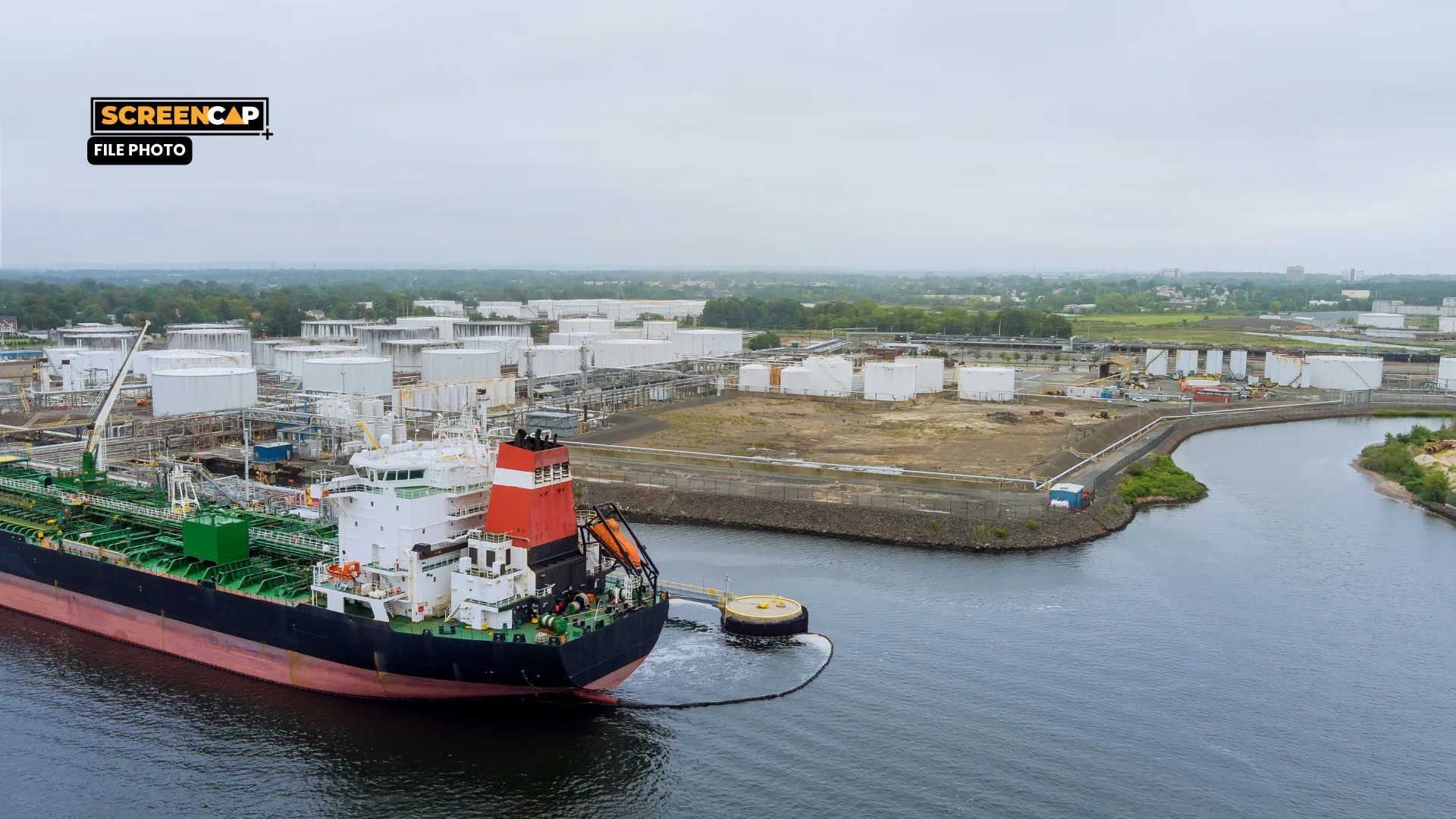
The Philippines may have its own oil reserve facilities capable of storing at least one million barrels of petroleum by late 2027 or early 2028, Energy Secretary Sharon Garin said.
Garin disclosed the timeline during a Senate Committee on Energy hearing on proposed measures seeking to establish national fuel reserves and amend the Oil Deregulation Law.
“More or less, Mr. Chair, if we’re talking only about one million barrels, we can scale it up over time. Mga one year siguro. So within this administration, one year of construction plus the permitting and everything that we have to do with DENR… We’re actually doing calendars, hopefully last quarter of ’27 or first quarter ’28,” Garin told the committee.
Senator Erwin Tulfo, who chairs the panel, said he had spoken with the ambassador of the United Arab Emirates, who offered to help build the facility.
Garin said the government has also been holding talks with oil firms and foreign entities, including Saudi Arabia’s Aramco, Abu Dhabi National Oil Company, Japan’s Ministry of Economy, Trade and Industry, Russian companies, and other Middle Eastern countries.
She said the reserve project could be implemented through several models, including government-built storage facilities, foreign-built facilities, foreign-supplied inventory, or a mixed arrangement.
“We can also develop more tanks and rent them out to Aramco, or Aramco can build them for us. There are several iterations of the business model. But one thing is, I think, we need to make sure that we have our own just for national security,” Garin said.
“But a second phase of that could be an agreement with these companies, not only Aramco. There are several companies, actually from all parts of the world, since they heard about our interest in embarking on the project. Marami pong proposals tayo,” she added.
Garin said the Philippines could position itself as a strategic storage site in Asia, especially for petroleum firms seeking alternative locations in the event of renewed disruptions involving the Strait of Hormuz.
“I think they’re spreading it out. Mayroon sila niyan sa iba’t ibang bansa. So, they’re willing here kasi maganda rin ang location natin where we’re practically in the middle, ang logistics niya, barko lang naman mag-deliver niyan… I think they’re on the lookout consistently naman para lang mailabas yung produkto nila sa region nila,” she said.
Tulfo also asked whether oil imported by the government for the reserve would still be taxed.
Garin said she believes government imports would still be subject to taxes to maintain parity with the private sector, though Congress may decide whether to grant special treatment.
“But it can be proposed. It would be the Senate’s decision if we want special treatment for government importation, Mr. Chair. Noong nag-import ang PNOC, nagbabayad talaga kami,” she said.
“But I think, let’s make this country attractive as a storage facility para itong mga Aramco, mga ganon na lumalapit sa atin; they’d be willing to put it here, they can pay us rent. And in fact, it might be possible that they can build another refinery somewhere else, also in the Philippines,” Garin added.
Tulfo, meanwhile, directed concerned government agencies to investigate information that some oil importers allegedly misdeclare the volume of petroleum products they bring into the country to reduce tax payments.
He said he received information that some importers, allegedly in coordination with corrupt Customs personnel, declare only five million liters out of 20 million liters of petroleum imports.
“Yung hindi idineklara na 15 million liters ay tubo or profit nila. At hindi lang po yan dahil yung tax na binayaran sa Customs para sa 5 million liters ay ipapasa pa nila sa taong bayan sa pamamagitan ng Value Added Tax at excise tax sa mga gasolinahan,” Tulfo said.
Based on information he received, Tulfo identified the importers as Felcor Petroleum and Control Holdings at Cagayan de Oro Port, Smile Petroleum OPC in Cebu, and Powerfill at the Port of Batangas.
“Therefore, I call the attention of the Department of Finance and the Bureau of Customs to check the payment of taxes by the following importers for the past several months versus the records at the Load Ports Survey or LPS from the point of origin,” he said.