
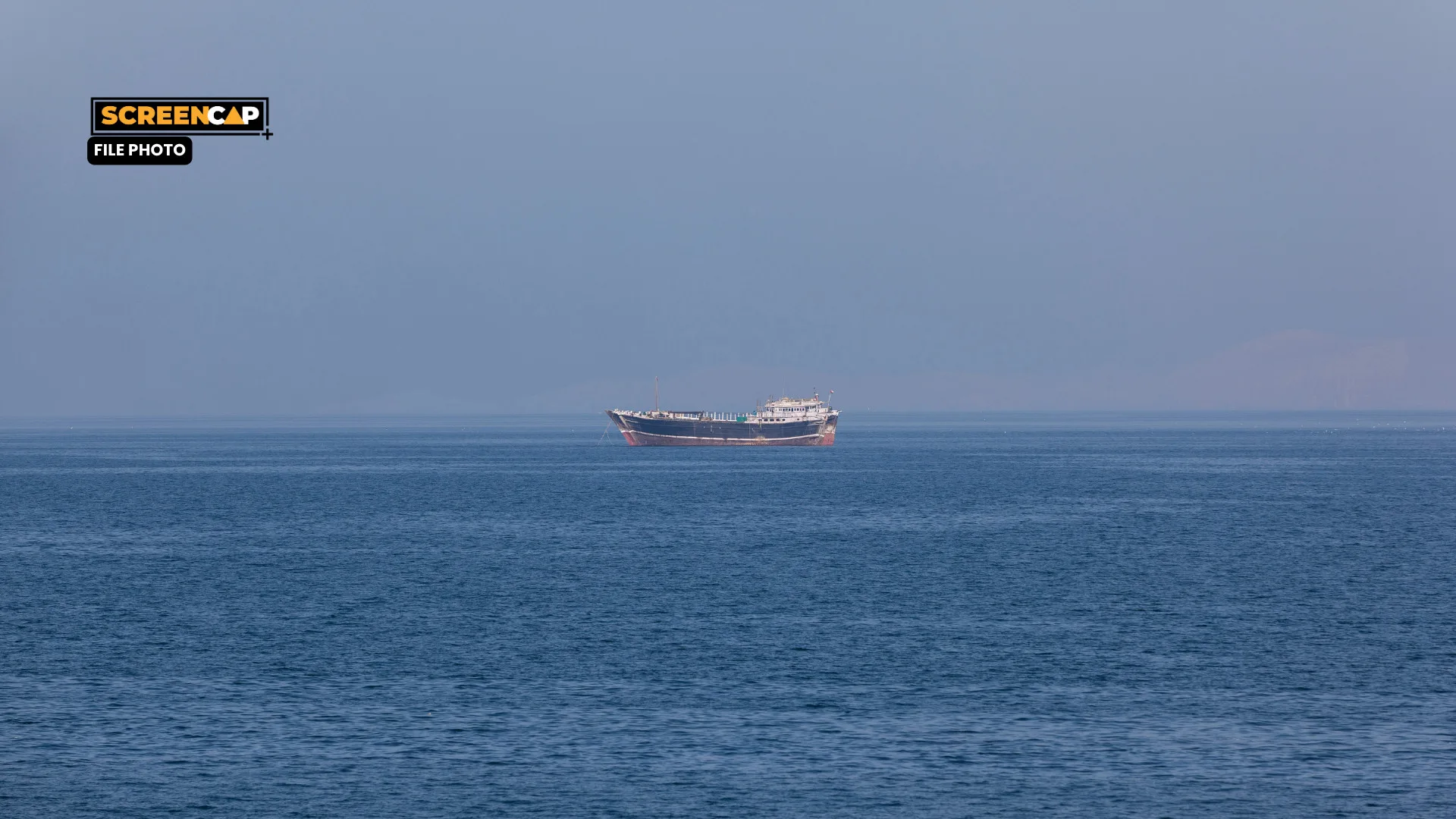
The United States (US) carried out targeted airstrikes against Iranian military installations on Friday following a drone attack on a commercial cargo vessel in the Strait of Hormuz, escalating tensions in the strategically critical waterway.
According to US Central Command, aircraft targeted Iranian missile and drone storage sites, as well as coastal radar facilities, after Iran deployed multiple drones against a Singapore-flagged vessel on Thursday. One drone reportedly struck the ship, while the remaining threats were intercepted. President Donald Trump labeled the attack a violation of the ceasefire reached between Washington and Tehran last week.
The strikes were described by U.S. officials as a defensive measure to protect freedom of navigation through the Strait of Hormuz, a vital maritime corridor for roughly 20 percent of the world’s seaborne oil and liquefied natural gas. The U.S. emphasized its continued support for safe commercial shipping in the area.
Iranian reports indicated that explosions occurred near the port of Sirik in southern Iran and claimed retaliatory strikes against U.S. military positions in the region. Tehran warned Gulf states against siding with Washington and asserted its intention to regulate shipping in the strait, challenging U.S. and international oversight.
In a separate development, Israel and Lebanon signed an initial agreement aimed at halting hostilities with Iran-backed Hezbollah. The accord calls for Hezbollah disarmament and Israeli troop withdrawal, though enforcement details remain uncertain, and Hezbollah has signaled non-cooperation.
Financial markets responded quickly, with oil prices initially dropping as tanker activity resumed but later showing volatility due to concerns over the potential for renewed conflict and disruptions to global energy supplies.
U.S. Vice President J.D. Vance defended the strikes, stating that the U.S. has upheld its ceasefire commitments and that any act of aggression would be met with appropriate force. Iranian officials, however, condemned the action as a breach of the interim agreement.
The flare-up reflects the fragility of the recent ceasefire and the ongoing volatility in the Gulf region, raising concerns over the stability of global trade routes and regional security.