
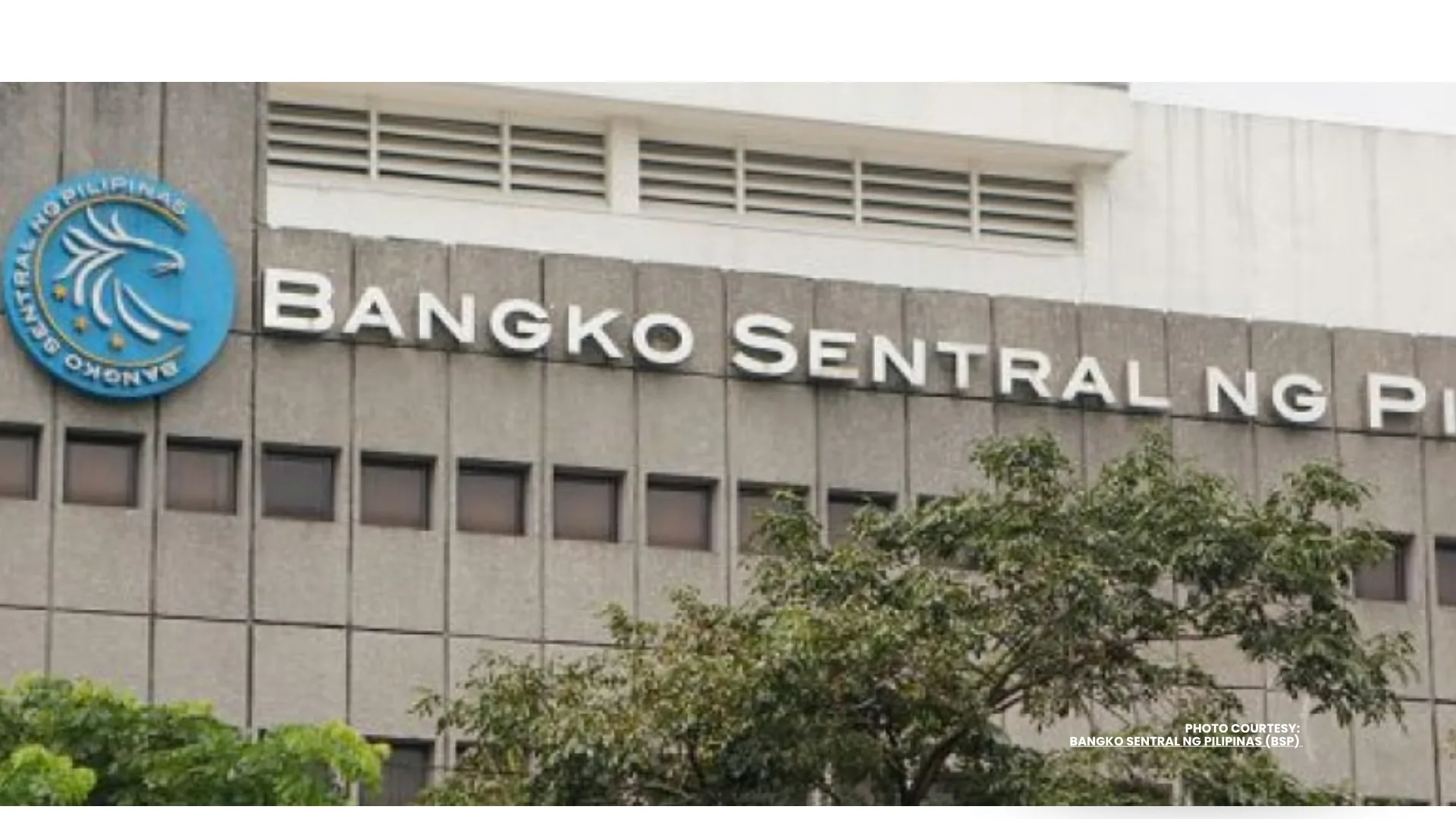
The Philippines’ external debt remains at manageable levels in the first quarter of 2026, supported by ample reserves and moderate debt obligations, according to the Bangko Sentral ng Pilipinas (BSP).
Data from BSP showed that the country’s outstanding external debt slightly declined to US$147.35 billion at the end of March, down from US$147.65 billion in the previous quarter. As a share of gross domestic product (GDP), external debt improved to 30.0 percent from 30.3 percent, reflecting resilience amid a moderation in economic growth.
Short-term external debt fell to US$25.50 billion, while gross international reserves stood at US$106.64 billion, equivalent to 4.18 times the short-term obligations, highlighting the country’s strong capacity to meet near-term external payments. The debt service ratio (DSR) remained moderate at 9.5 percent, slightly higher than the 8.5 percent recorded a year earlier due to higher principal payments.
The modest quarterly decline in debt was largely driven by lower non-resident holdings of Philippine debt securities, influenced by cautious investor sentiment and tighter financing conditions in emerging markets. Year-on-year, external debt rose marginally from US$146.74 billion at the end of March 2025, reflecting new borrowings by the government and private sector to fund development projects and support trade and business activities.
Overall, the BSP emphasized that the Philippines’ external debt profile remains resilient, with ample reserve buffers and manageable obligations providing stability relative to other emerging economies.