
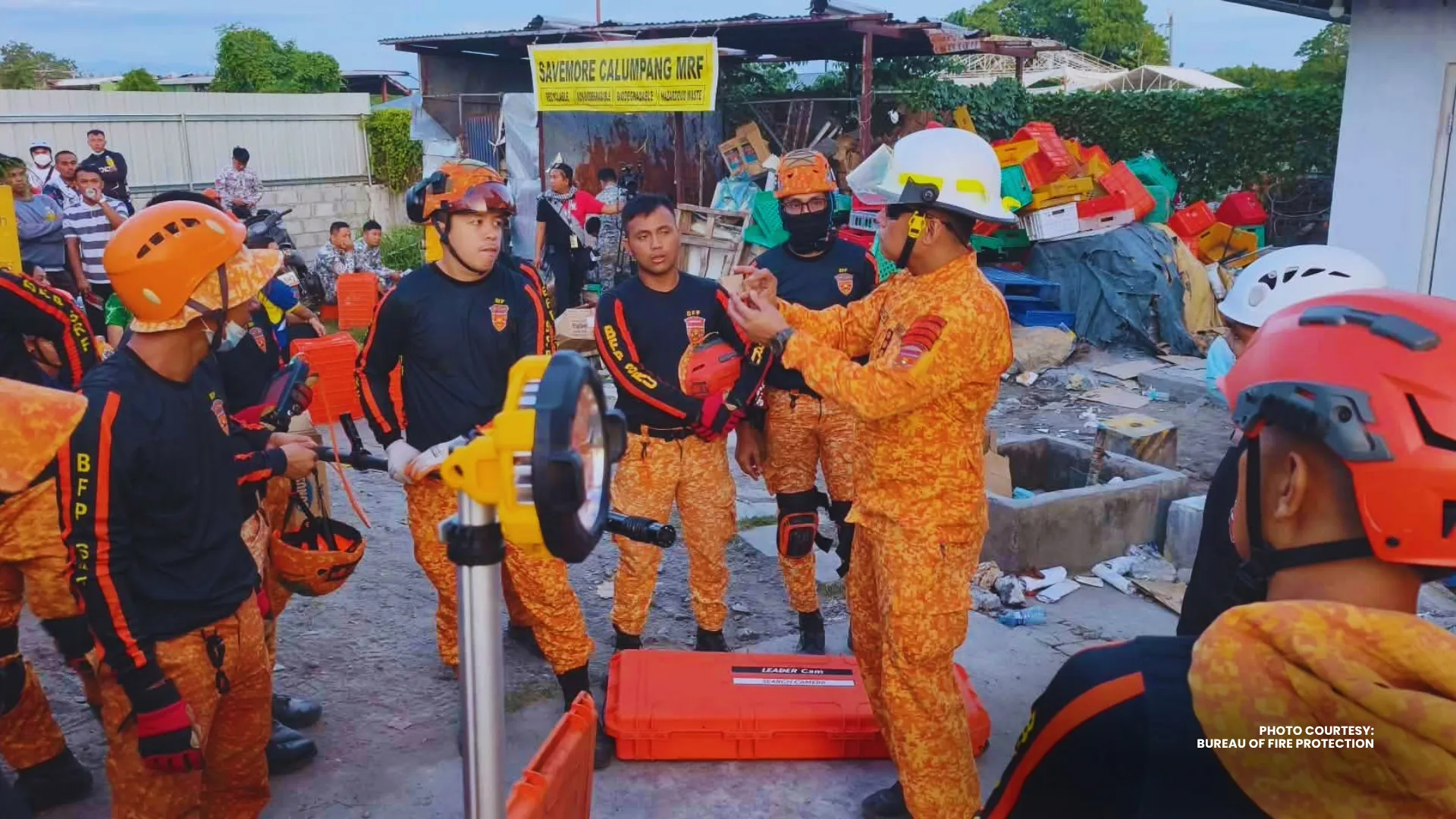
Thousands of families displaced by the magnitude 7.8 earthquake in Mindanao may soon be moved to secure tent cities as continuing aftershocks and fears over damaged buildings keep many survivors from returning indoors.
The Philippine National Police (PNP) said it will help local governments and disaster response agencies identify safe locations and maintain security in temporary shelter areas for families affected by the June 8 tremor.
PNP Chief Gen. Jose Melencio Nartatez Jr. said police units in quake-hit areas have been directed to coordinate closely with local government units in setting up safe spaces where displaced residents can stay while structural inspections and recovery operations continue.
“We understand that many of our fellow Filipinos are still anxious about returning to their homes because of the continuing aftershocks. The PNP stands ready to support our local government units and partner agencies in establishing safe and secure tent cities where affected families can temporarily stay with peace of mind while authorities complete structural assessments and recovery efforts,” Nartatez said.
The initiative comes as government agencies continue inspecting buildings, homes, and public structures damaged by the powerful earthquake that struck Sarangani and other parts of Mindanao.
According to Office of Civil Defense deputy administrator for administration Bernardo Rafaelito Alejandro IV, at least 47 people were killed and 630 others were injured due to the tremor.
Of the reported fatalities, 20 were recorded in Sarangani, 15 in South Cotabato, 11 in Davao Occidental, and one in Davao del Sur.
Authorities also reported 31 missing persons, including 13 in Davao Occidental, 13 in Sarangani, and five in South Cotabato.
The OCD also listed 41 injured individuals in Davao Oriental, seven in Davao del Norte, 14 in Davao Occidental, 174 in Sarangani, 355 in South Cotabato, 16 in Sultan Kudarat, and 102 in Cotabato.
Nearly 150,000 people were affected across Zamboanga Peninsula, Davao Region, Soccsksargen, and the Bangsamoro Autonomous Region in Muslim Mindanao.
More than 32,000 individuals were staying in evacuation centers, while nearly 9,000 others were being assisted outside these shelters due to fears of aftershocks and possible structural damage.
For many displaced families, temporary outdoor shelters have become a safer and more reassuring option as engineers continue to determine which homes, schools, government buildings, and other structures remain safe to use.
The PNP said its role in the tent cities will include helping maintain peace and order, protecting residents and their belongings, assisting in crowd and traffic management, and supporting local officials in ensuring safety within the temporary communities.
Nartatez assured quake survivors that police personnel deployed on the ground will continue assisting residents whether they stay in evacuation centers or in designated tent areas.
“Whether you choose to stay in designated evacuation centers or in makeshift tent spaces, your police force will be there to protect you and your properties. Please remain calm, stay vigilant, look out for updates from structural engineers and disaster agencies, and do not hesitate to approach our deployed personnel on the ground for any immediate assistance,” he said.
The PNP said it will continue working with local governments, the Office of Civil Defense, and other concerned agencies to support relief operations and help protect quake-hit communities as recovery efforts continue.